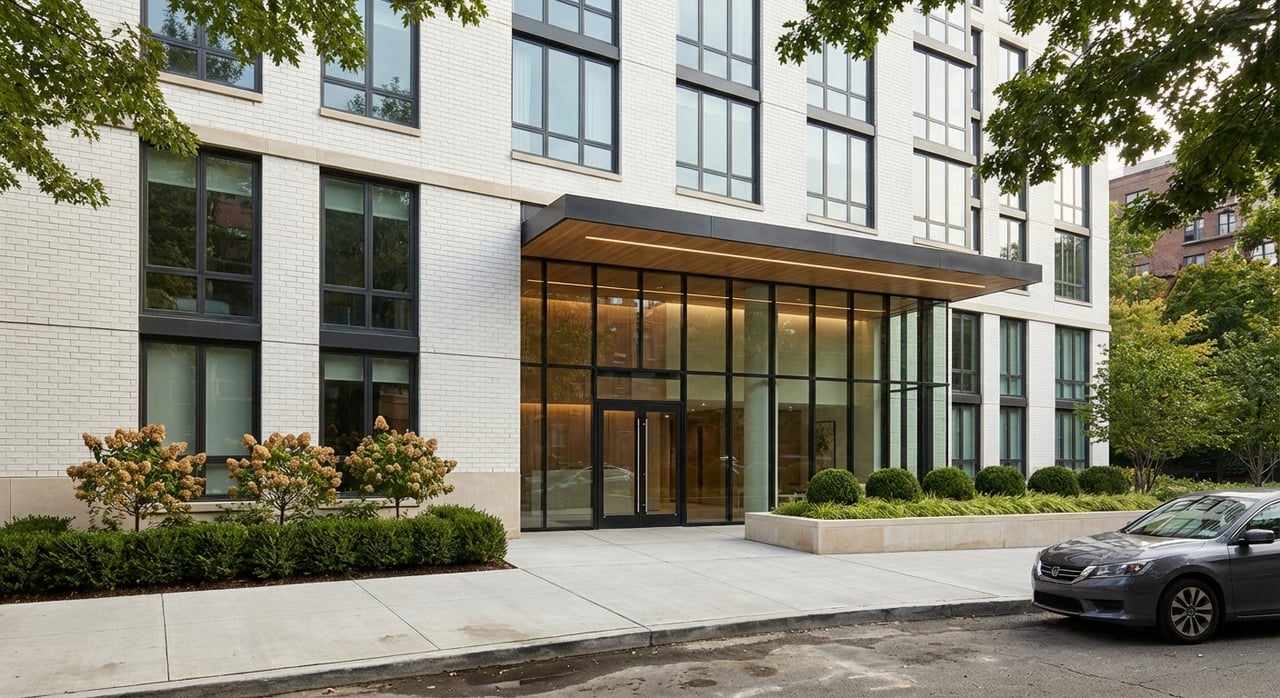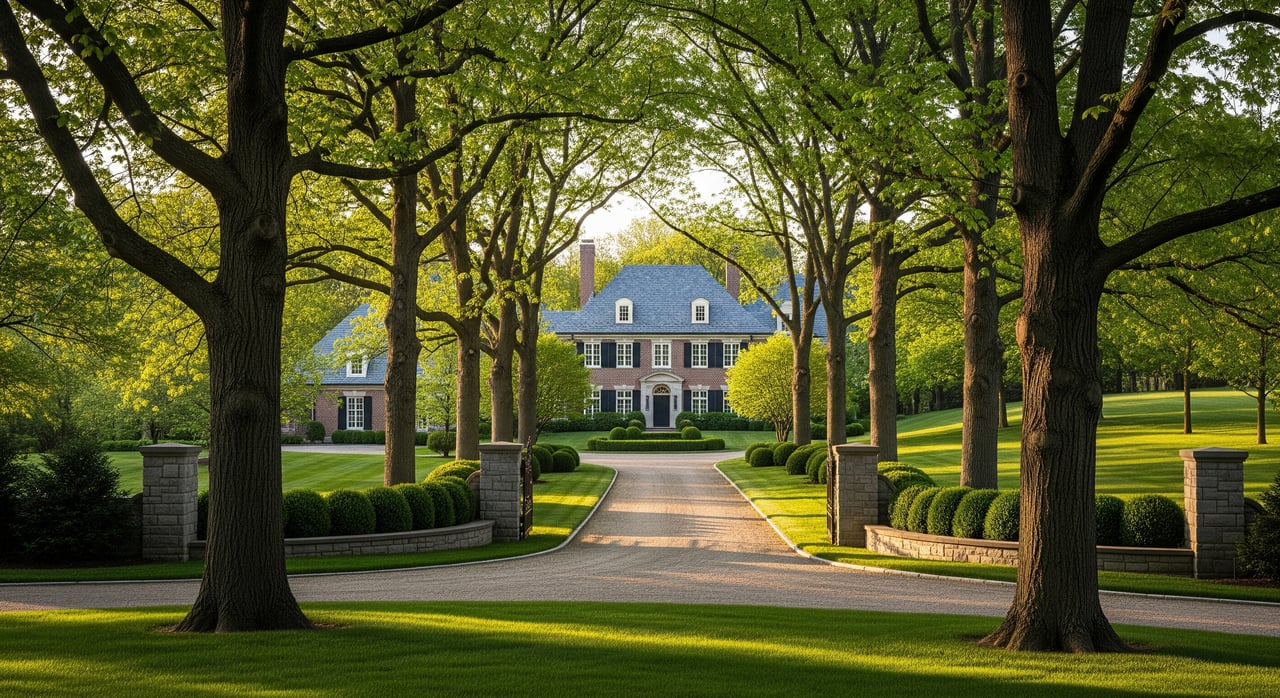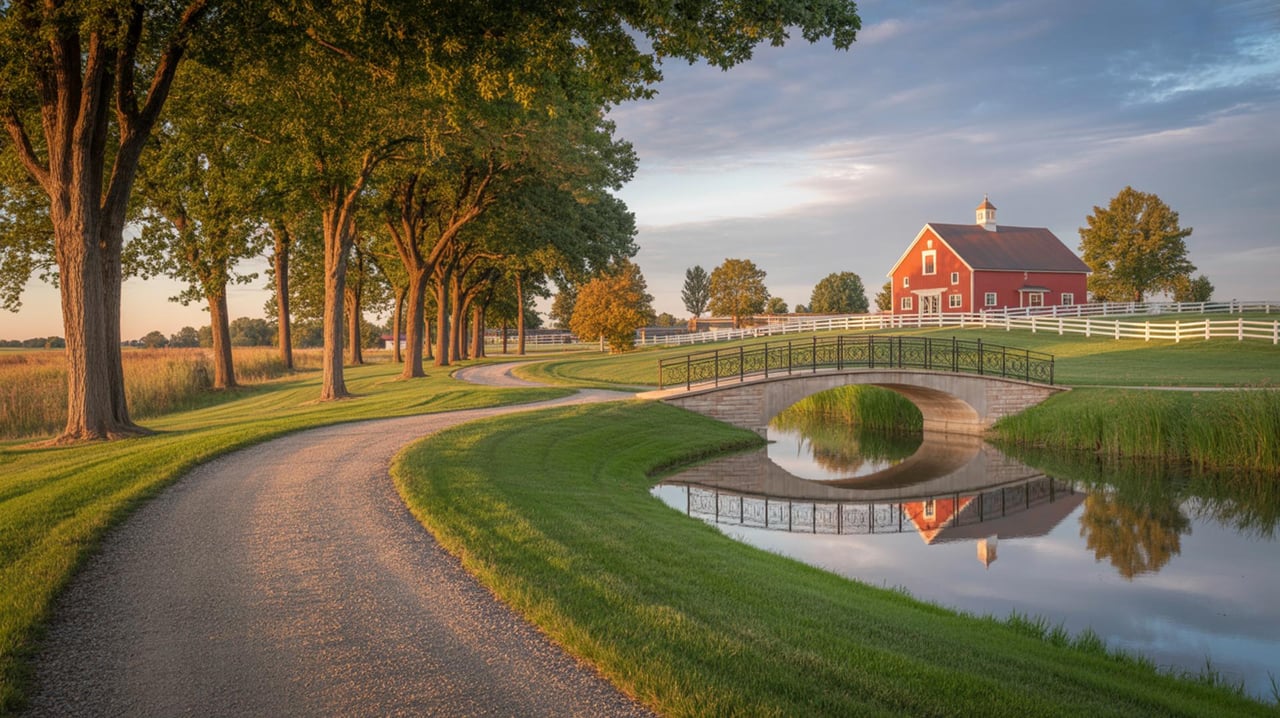
Considering a gated home in Chesterfield but unsure what the HOA really covers or how guests and deliveries get in? You want privacy and low maintenance, not surprises after closing. This guide breaks down common amenities, HOA budgets and rules, daily access logistics, and the exact items to verify during tours and document review. Let’s dive in.
Why Chesterfield gated living
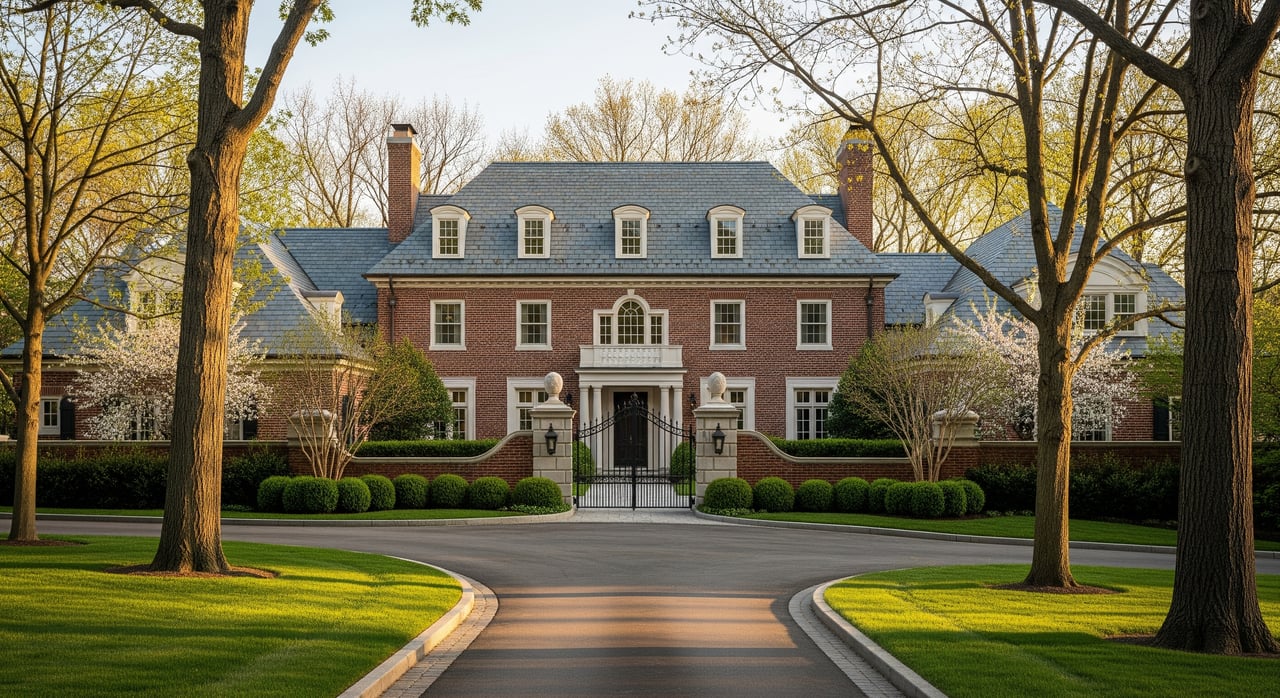
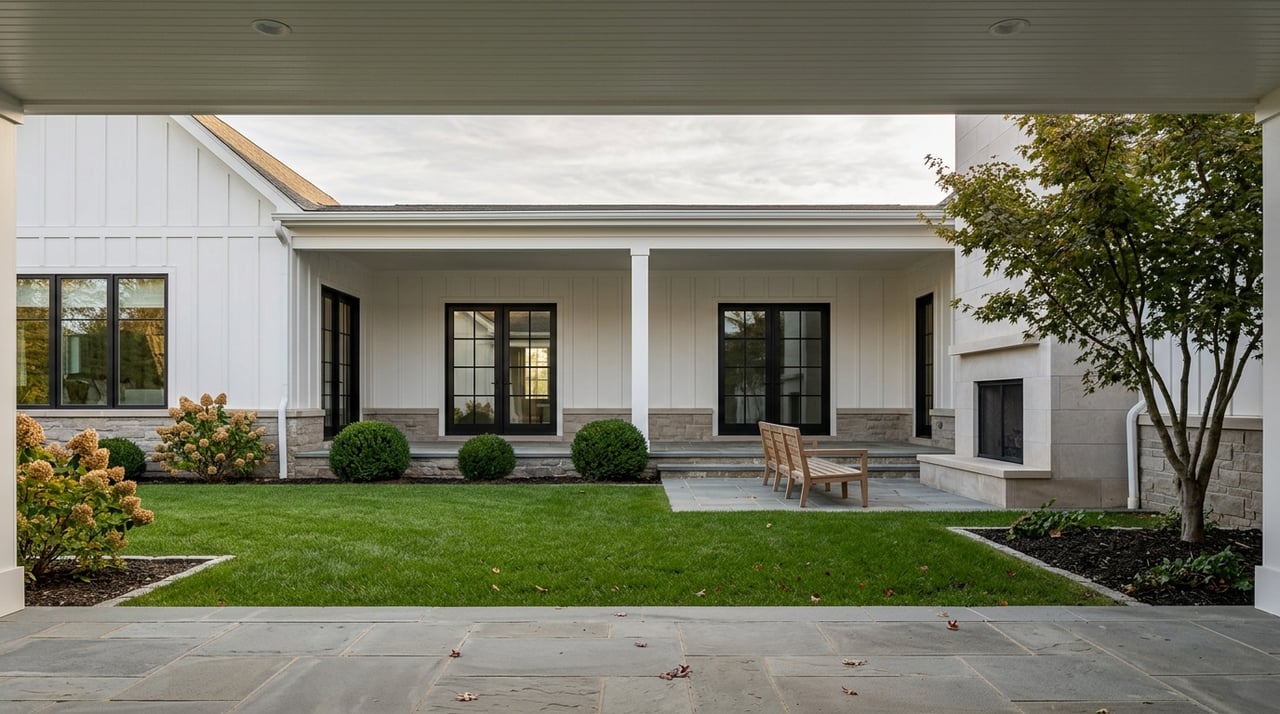
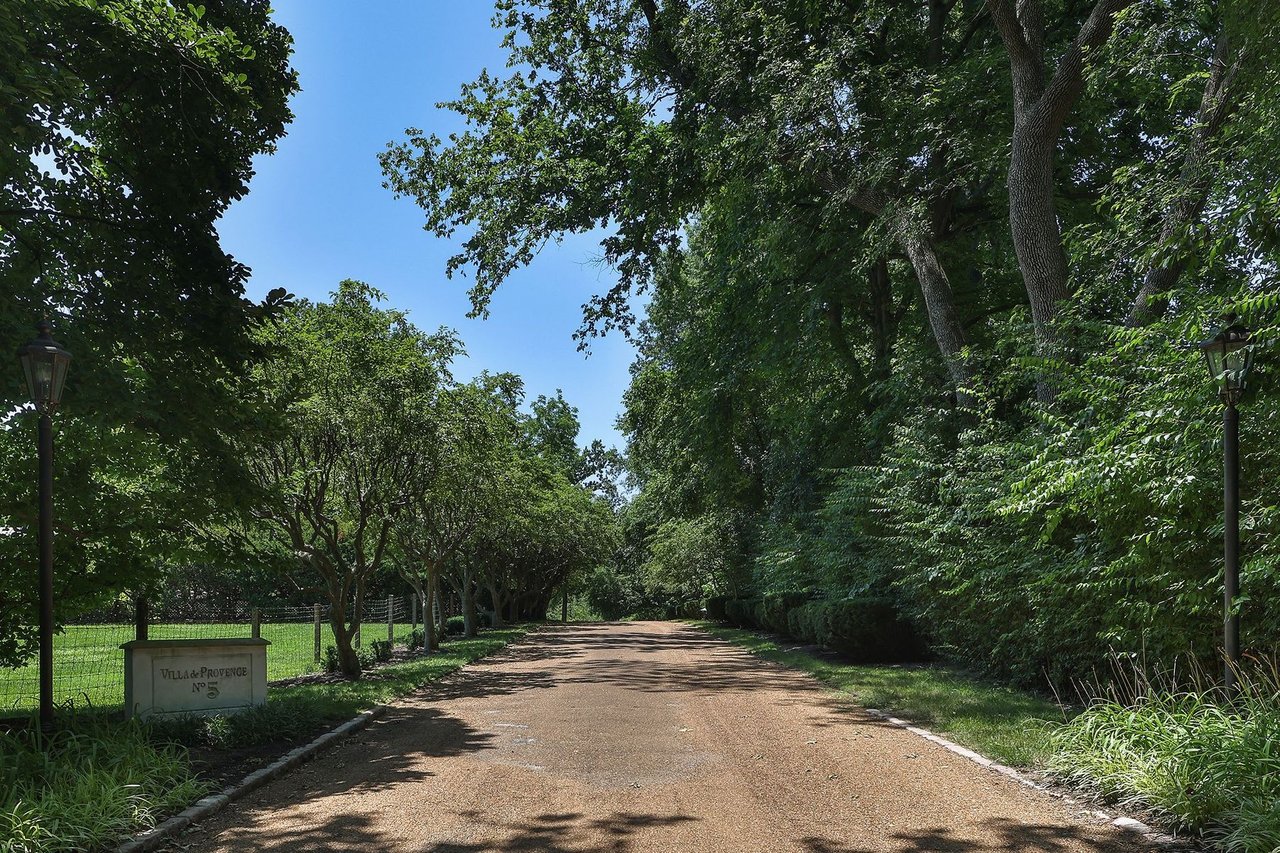
Chesterfield offers a range of gated options, from small homeowner‑run enclaves to larger neighborhoods with clubhouses and recreation. You typically gain controlled access, shared amenities, and private maintenance of common areas. City and county services still apply, but many gated communities manage roads, landscaping, and snow removal privately. The key is confirming what is public versus private before you buy.
Common amenities and cost drivers
Controlled access systems
Expect staffed gates, automated swing or slide gates, remote clickers, keycards, keypads, or license plate readers. These systems increase privacy and perceived security. They also add costs for equipment, utilities, monitoring, and staffing, which flow into HOA dues.
Private roads and entry landscaping
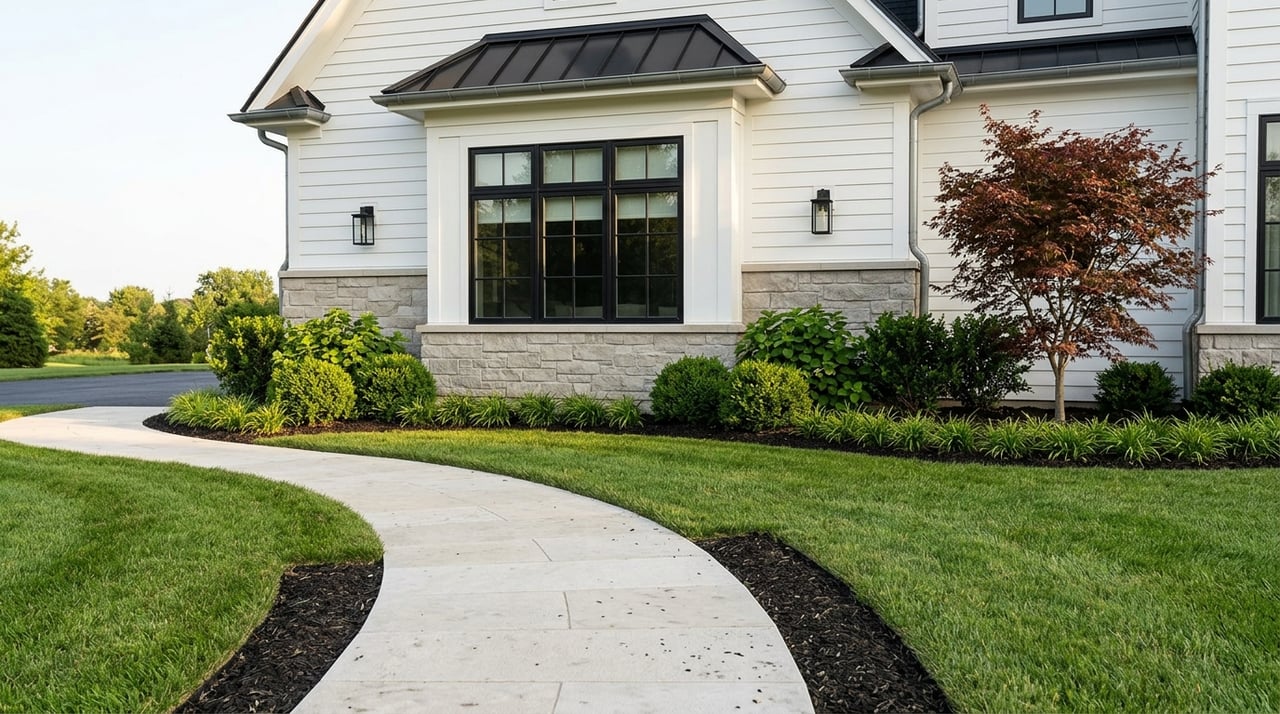
If roads are private, the HOA typically handles paving, repairs, snow plowing, lighting, and landscaping. Long‑term costs depend on pavement age, drainage, and storm damage. Well‑funded reserves for road resurfacing are a positive sign.
Clubhouse, pool, and courts
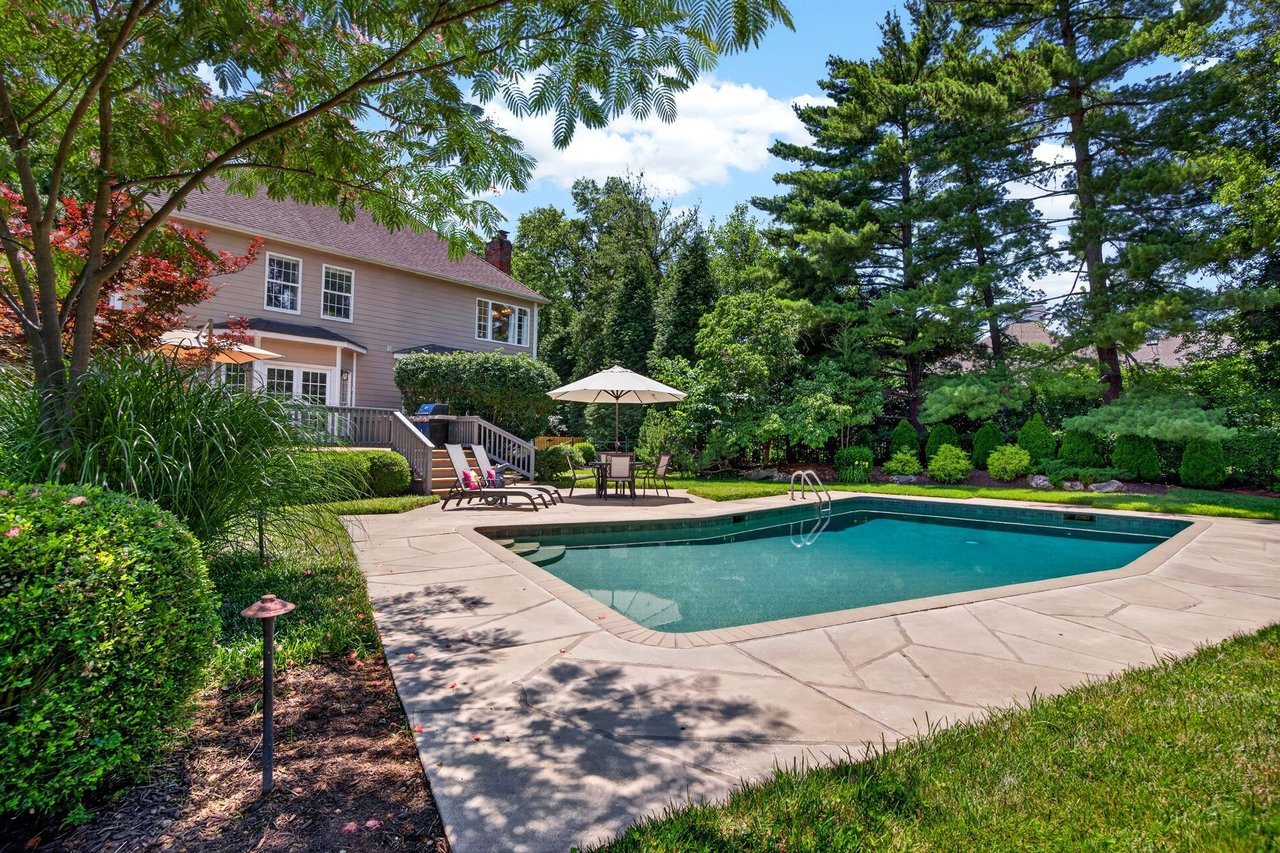
Clubhouses, pools, fitness rooms, and tennis or pickleball courts create an easy, social lifestyle. They require ongoing staff, utilities, chemical care, and cleaning. These operating and replacement costs influence monthly or annual assessments.
Golf, ponds, and trails
Golf and water features add scenery and recreation. They also require specialized maintenance, irrigation, and stormwater management. Some golf communities have separate club fees or cross‑entity agreements that you should review.
Exterior maintenance and services
Many HOAs handle common‑area landscaping and, in some regimes, parts of home exteriors like roof or paint. Trash and recycling, bulk internet or cable, and snow removal may be included or optional. Convenience is high, but scope of services directly affects dues.
Security and monitoring
Some communities add CCTV, patrols, or alarms. Ask about privacy practices, footage retention, and who can access recordings. Confirm whether only law enforcement can request video.
HOA budgets, reserves, and rules
Core documents to obtain
Request the full governing and financial package before you commit:
- CC&Rs, Bylaws, Rules and Regulations, Design Guidelines
- Current budget, recent financial statements, and bank statements
- Most recent reserve study and reserve funding history
- Board meeting minutes for the past 12–24 months
- Insurance policies and fidelity bonds
- Resale certificate showing assessments and delinquencies
- Management agreement, if applicable, and any vendor contracts
- Litigation disclosures and any special assessment notices
How dues and reserves work
Regular assessments fund operations such as gates, roads, and amenities. A healthy reserve fund covers big‑ticket items like roads, gate equipment, and clubhouse systems. If reserves are thin, expect a higher risk of special assessments to cover unexpected costs.
Rules that affect daily life
Review restrictions on rentals, pets, vehicles and parking, exterior changes, satellite dishes or solar panels, and home businesses. Understand ARC processes, approval timelines, and fees for any planned improvements. Consistent rule enforcement and clear timelines are markers of a well‑run community.
Insurance and liability basics
Confirm what the HOA’s master policy covers, including common areas and board protection. Ask what you must insure personally and how deductibles are handled after a loss. Large deductibles or exclusions can lead to owner assessments.
Access, guests, deliveries, emergencies
Gate operations to expect
Communities may use staffed, automated, or hybrid gate models. Response speed and queueing vary by system and time of day. Observe peak‑hour operations to judge convenience.
Managing guest and vendor access
Guest entry commonly uses intercom calls, pre‑registration, temporary codes, or QR passes. Contractors may have separate protocols, limited hours, or expiring codes. If you host events, check guest‑list rules, parking overflow, and any vendor insurance requirements.
Delivery and mail solutions
Controlled access can complicate deliveries. Solutions include central package rooms, carrier arrangements, or codes for drivers. Ask how USPS, UPS, FedEx, and Amazon currently access the community and whether any carrier lacks entry.
Emergency responder access
Verify that gates include an emergency crash mechanism, Knox Box, or centralized control for first responders. Ask the HOA for the written policy and whether local fire, police, and EMS have tested it. Strong emergency access protocols support both safety and insurability.
Privacy and monitoring policies
If CCTV or license‑plate readers are used, ask about data retention and who can view footage. Clear policies help balance privacy with community operations.
What to check on your tour
- Gate and entry: Condition of equipment, signage, and intercom function. Note any backups at busy times.
- Roads and drainage: Pavement quality, patchwork, curb and sidewalk settling, and water pooling after rain.
- Amenities: Clubhouse, pool, fitness area, and courts for cleanliness, signage, and operating hours.
- Landscaping and buffers: Overall maintenance, irrigation, tree health, and screening near adjacent uses.
- Lighting and safety: Streetlights and common‑area fixtures, plus visible camera placement and upkeep.
- Mail and packages: Central mail kiosks or package rooms, and how carriers access them.
- Seasonal readiness: Evidence of timely snow removal and sanding; contractor signage or stored equipment.
- Mechanical systems: Gate motors, pump houses, and irrigation controllers that show regular servicing.
- Surroundings: Neighboring commercial sites, undeveloped parcels, or busy roads that may affect privacy.
What to confirm in documents
- Full, unredacted CC&Rs, Bylaws, Rules, and Design Guidelines
- Current budget, recent financials, and bank statements
- Reserve study and reserve funding performance
- Resale certificate with current and upcoming assessments, plus any liens
- Board minutes for 12–24 months to spot recurring issues
- Management contract terms, fees, and termination rights
- Insurance certificates with limits and deductibles
- Vendor contracts for gates, landscaping, pool, and snow removal
- Recorded easements and maintenance agreements
- Litigation disclosures and any municipal notices
- Rental caps, pet rules, parking policies, and guest restrictions
Red flags to avoid
- No recent reserve study or near‑zero reserves
- Frequent or large special assessments without a clear plan
- High delinquency rates or aggressive collections activity
- Active or costly litigation involving the HOA
- Inconsistent rule enforcement in board minutes
- Rapid manager turnover or unfavorable management contracts
- Gates that frequently fail or long, routine entry queues
Smart questions to ask
- What exactly do regular assessments cover each year?
- When was the last reserve study, and when is the next one due?
- Any special assessments in the past 5 years, and why?
- What is the current assessment delinquency rate?
- Are there pending lawsuits or code violations?
- How are gate codes and guest access managed, and is there an owner app?
- How do USPS, UPS, FedEx, and Amazon access the community today?
- What emergency access arrangements exist with local fire and police?
- Are there rental caps or owner‑occupancy requirements?
- What major projects were recently completed and what is next?
The Chesterfield context
In Chesterfield, city and county agencies provide core public services like police, fire, zoning, and permitting. Many gated communities privately maintain roads, gates, lighting, and common landscaping. Your goal is to confirm the split: which items the HOA funds versus what public entities handle. Clarity on responsibilities helps you gauge dues, reserves, and long‑term affordability.
Bringing it together
Gated living in Chesterfield can deliver the privacy and low‑maintenance lifestyle you want. The tradeoff is that many operational decisions and costs run through the HOA. Focus your due diligence on access workflows, reserve strength, insurance coverage, and clear, consistently enforced rules. With careful review, you can choose a community that fits your daily routine and long‑term plans.
Ready to evaluate a specific neighborhood or schedule a confidential tour plan? Work one‑on‑one with a local advisor who knows Chesterfield and the central corridor well. For a private consultation, connect with Aimee Simpson.
FAQs
What do HOA dues usually cover in Chesterfield gated communities?
- Dues typically fund gate operations, private roads, landscaping, lighting, and any shared amenities, plus reserves for major replacements. Always verify the current budget and reserve study.
How does guest access work at most gated communities?
- Communities use intercom calls, pre‑registered guest lists, temporary codes, or QR passes; contractors may need expiring codes or scheduled entry windows.
Who handles snow removal and street repairs in a gated enclave?
- If roads are private, the HOA usually contracts plowing and paving; confirm responsibilities in the governing documents and vendor agreements.
What should I look for in the reserve study before buying?
- Adequate funding for roads, gates, clubhouse systems, and other long‑life items, with contributions aligned to replacement timelines and minimal reliance on special assessments.
Can I rent out my home in a gated neighborhood?
- Many HOAs limit rentals or set caps; review the CC&Rs and Rules to understand eligibility, terms, and any approval process.
How are deliveries handled when the gate is closed?
- Solutions range from carrier codes and owner apps to central package rooms; ask the HOA how USPS and major carriers currently gain access and whether any carrier lacks entry.