What if you could swap lawn care, snow shoveling, and long drives for skyline views and a short walk to dinner? If you are considering a move to a luxury high‑rise in Clayton, you likely want comfort, convenience, and a refined, low‑maintenance lifestyle. This guide shows you what daily life feels like, what amenities to expect, the trade‑offs to consider, and how to evaluate a building with confidence. Let’s dive in.
Why Clayton high‑rise living works
Clayton offers a compact, walkable downtown with dining, services, parks, and community events close at hand. The city’s focus on public spaces and programming gives you a small‑city feel with big‑city conveniences. Explore the latest happenings and park resources through the City of Clayton to see how the neighborhood supports an active, easy lifestyle.
You can stroll to cafés, meeting spots, and cultural activities without getting in the car. The downtown business district is a regional employment hub, so many residents work nearby or commute on a shorter schedule. For listings of nearby businesses and events, browse Downtown Clayton or the Clayton Chamber of Commerce.
What luxury high‑rises offer
Building services you will use
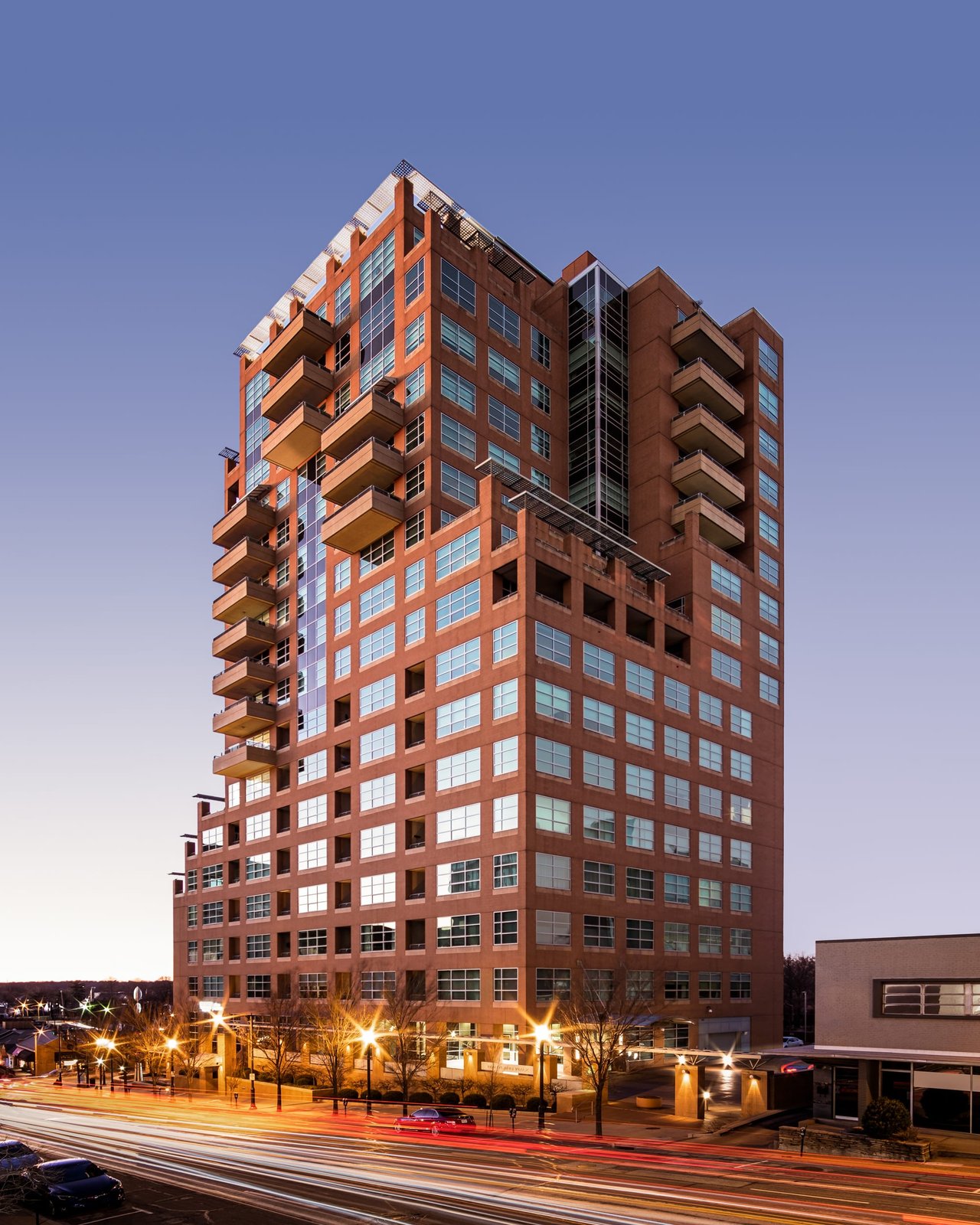
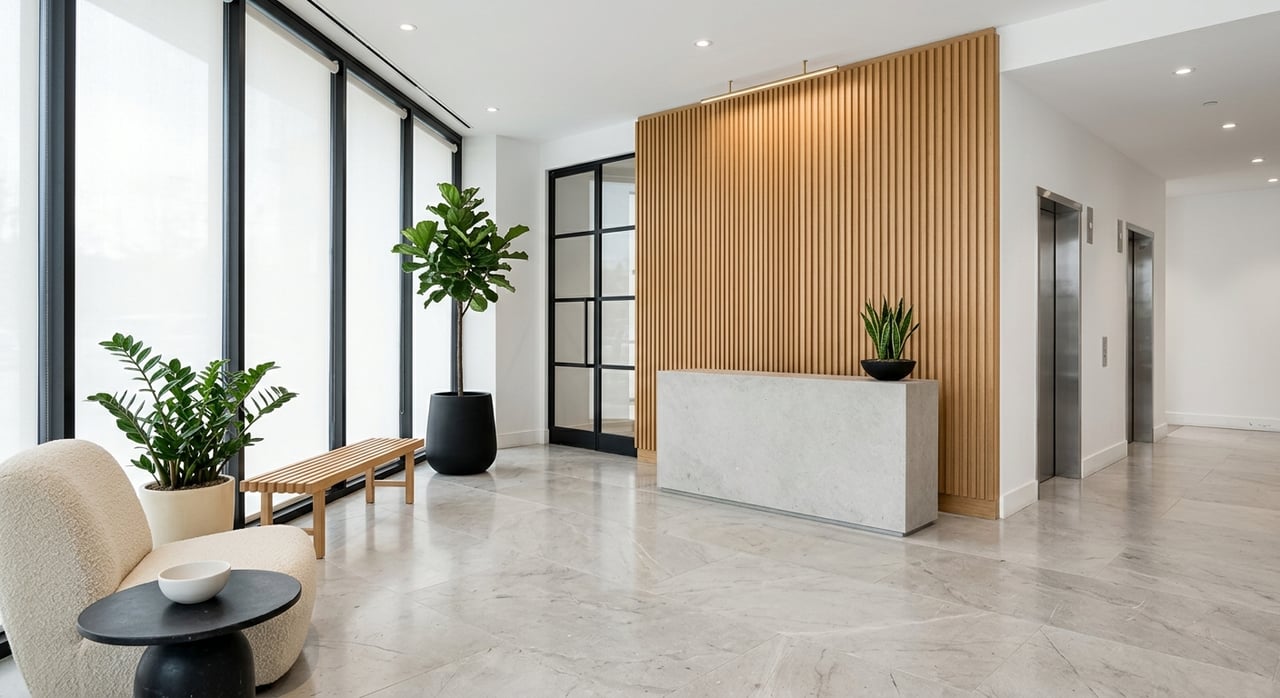
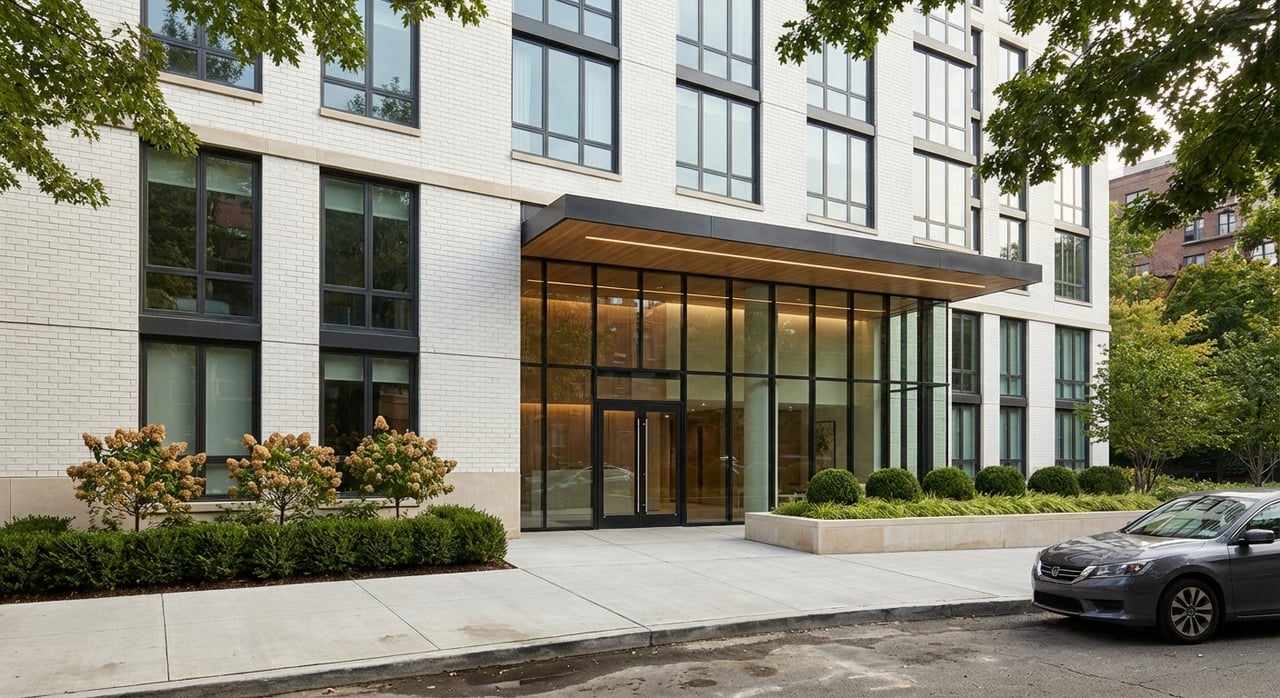
Many Clayton luxury buildings feature a concierge or doorman who manages packages, greets guests, and oversees access. On‑site management and maintenance teams handle common areas and coordinate vendors, which reduces your daily to‑do list. Some buildings include valet service, assigned garage parking, guest parking, and EV charging, although details vary by property.
Amenities that shape your day
Expect in‑building fitness centers so you can work out without leaving home. Clubrooms, rooftop terraces, and event spaces make it easy to host without maintaining a large house. Some towers offer rentable guest suites for visiting family, as well as secure package rooms and extra storage for seasonal items or bikes.
In‑unit comfort and design
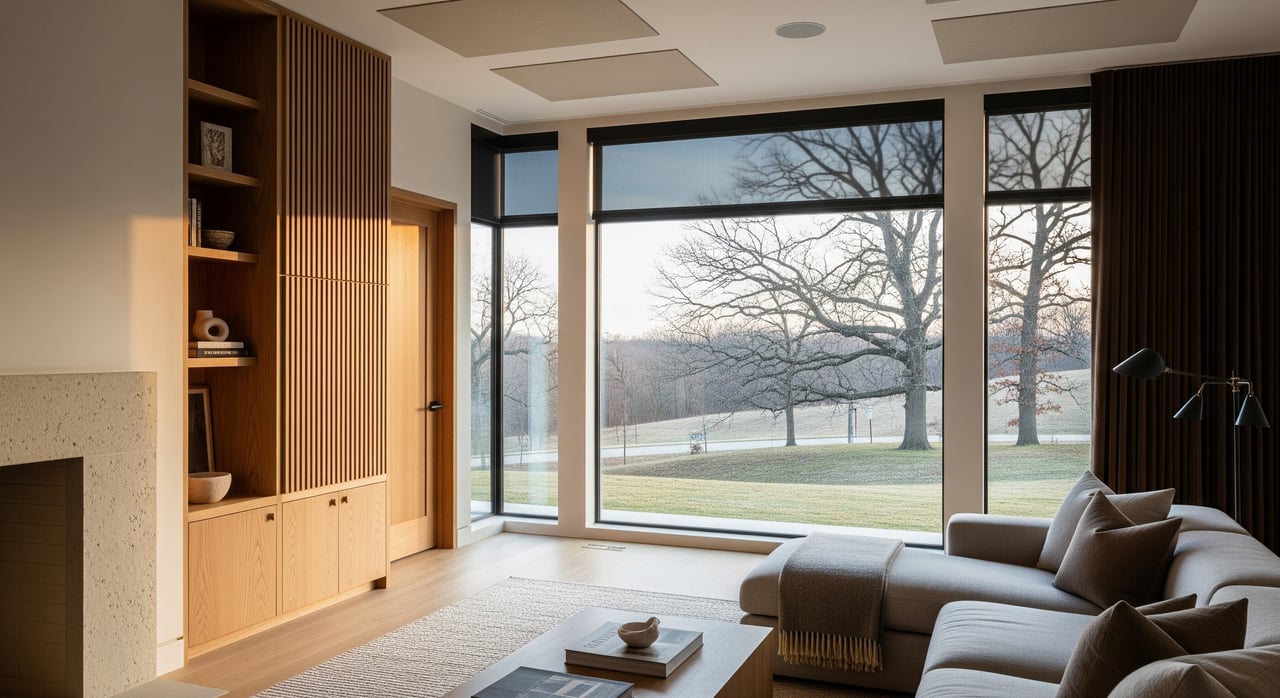
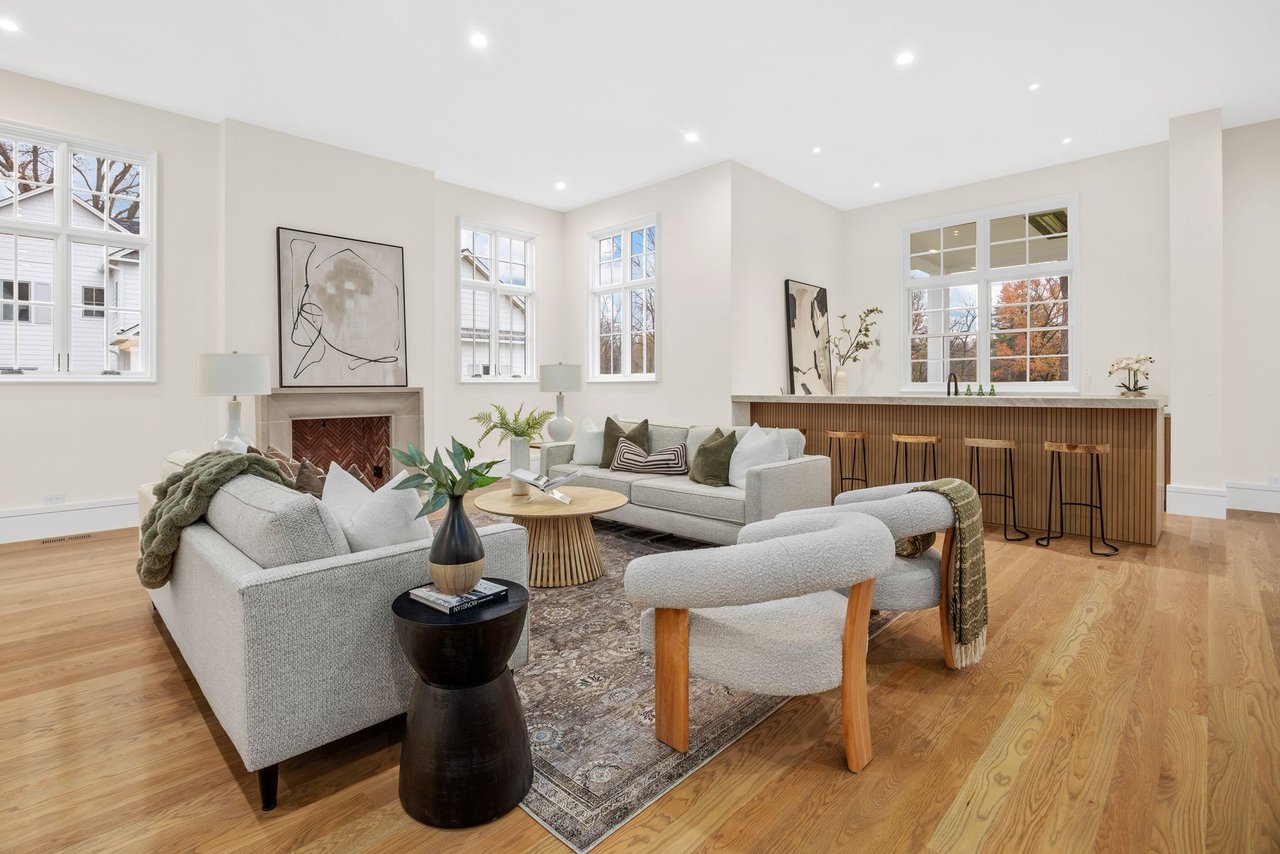
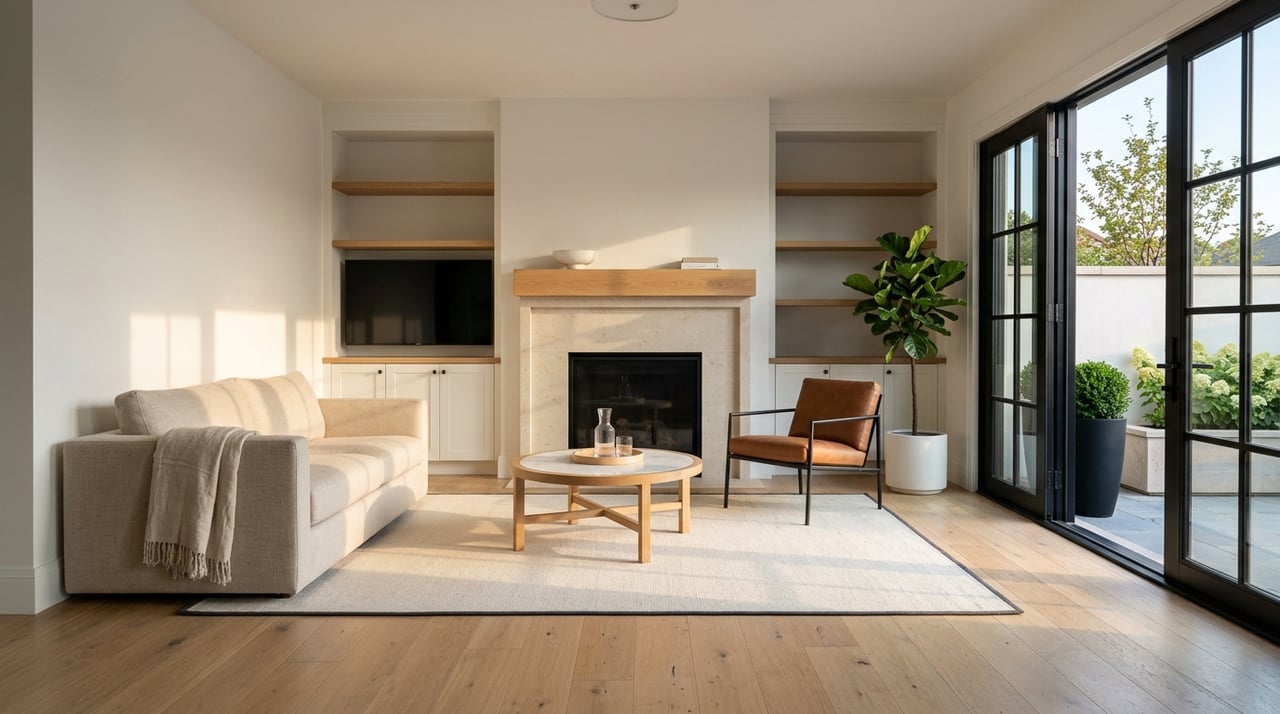
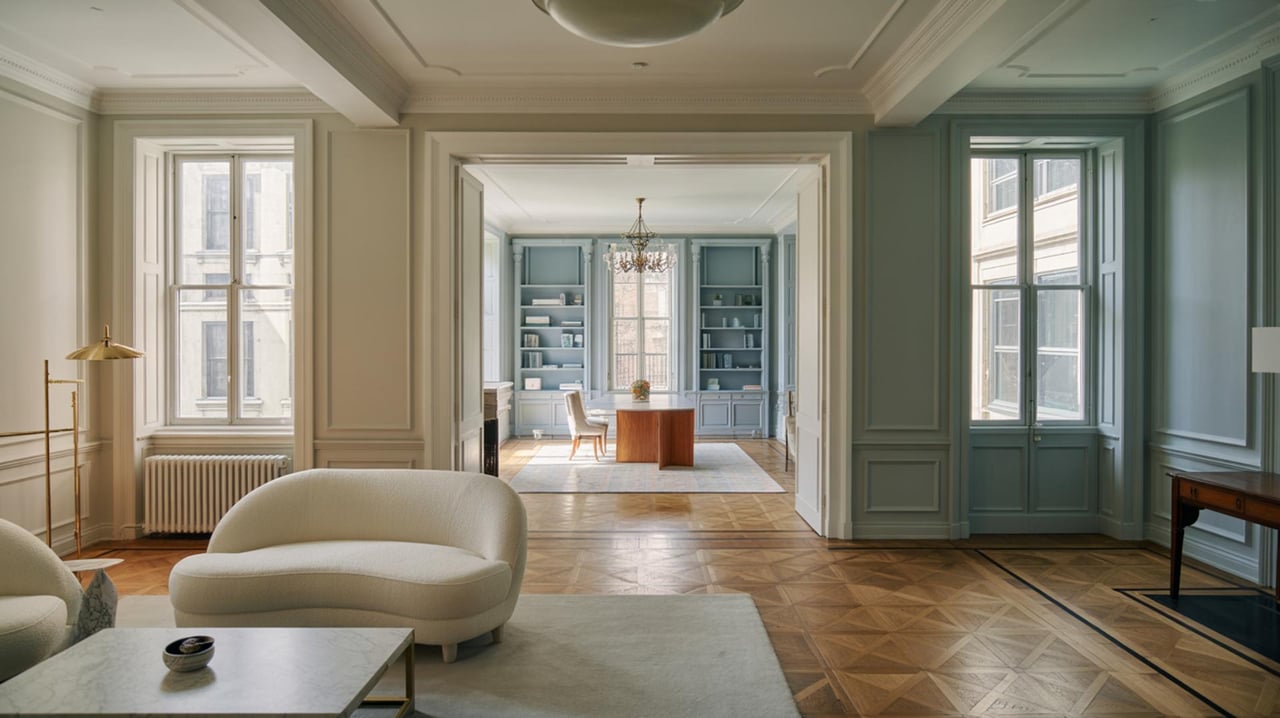
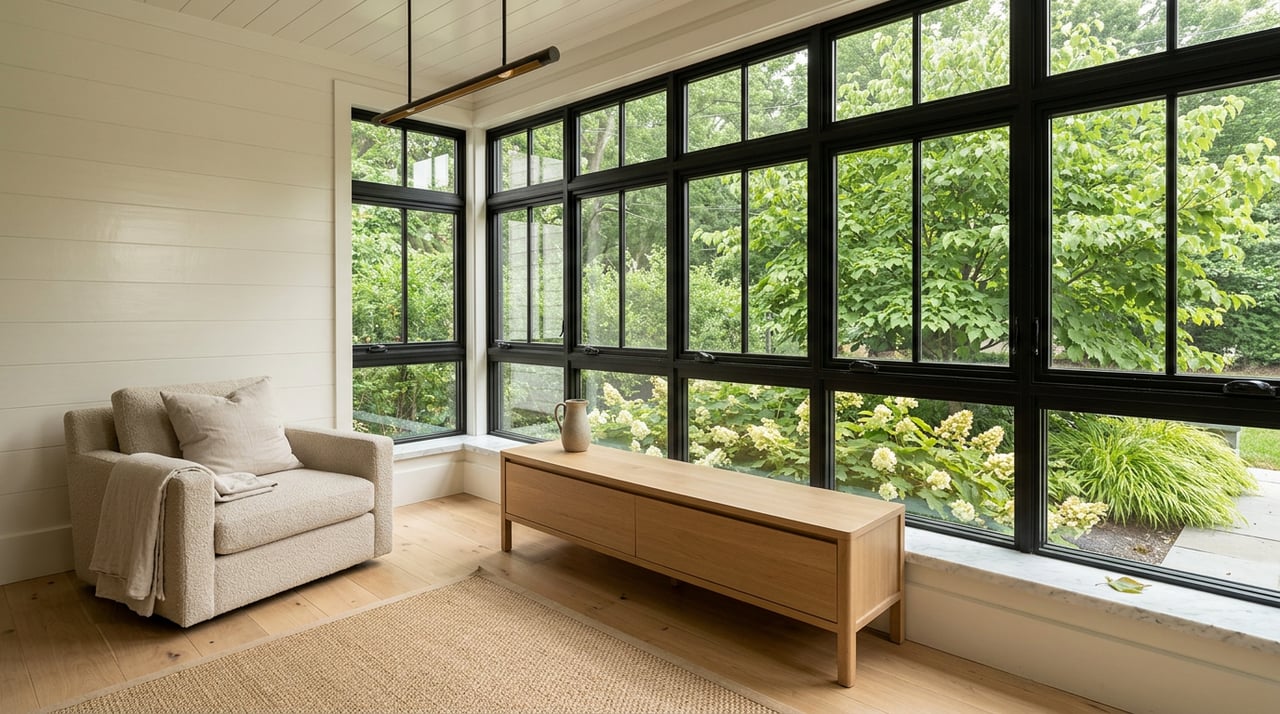
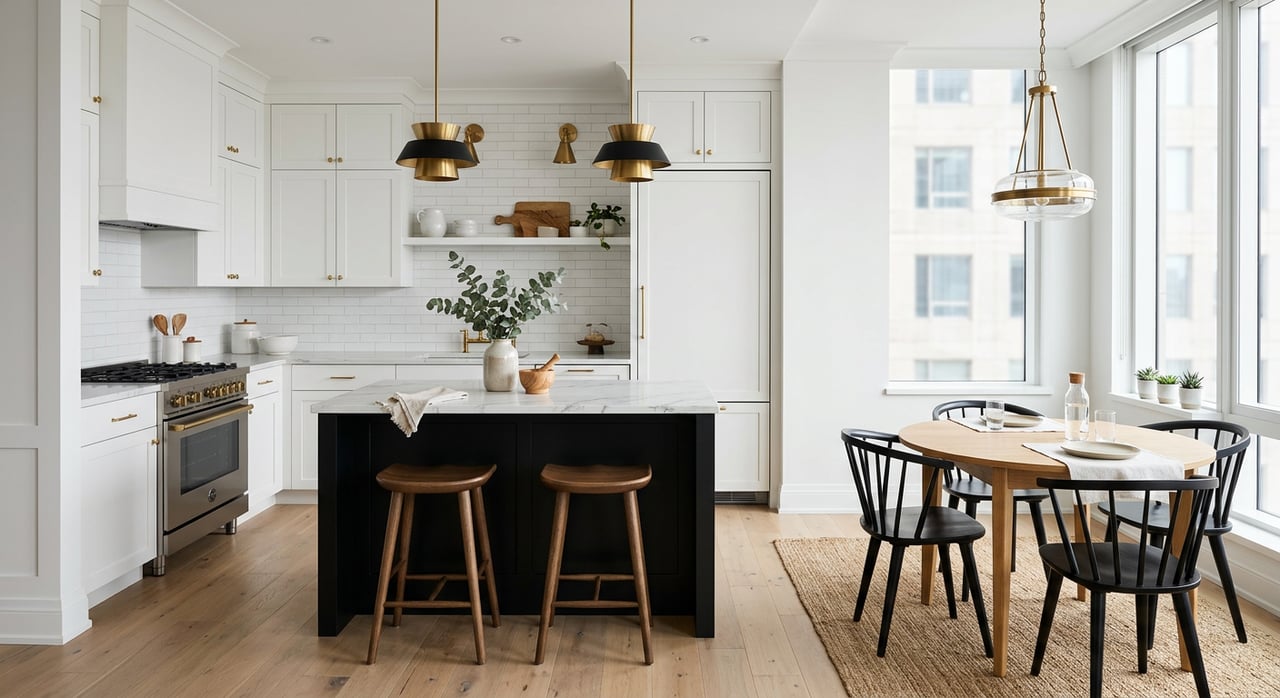
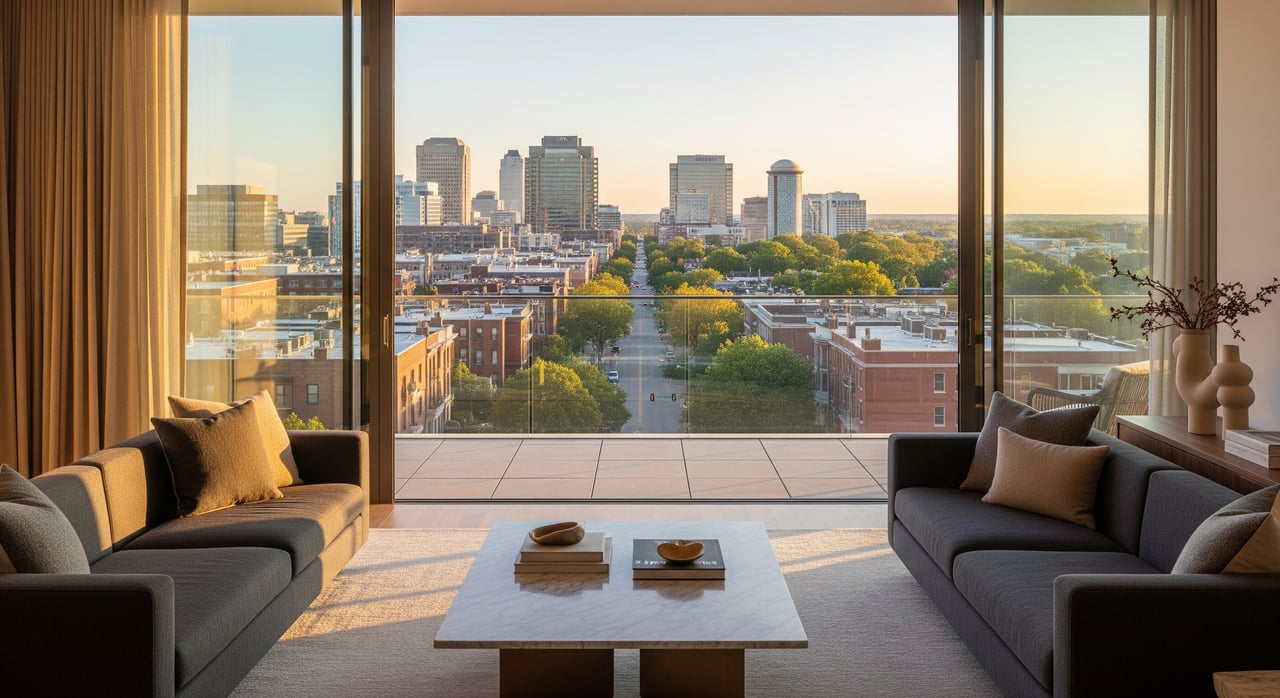
Open‑plan layouts, custom finishes, and large windows create bright, flexible living areas. Many residences include private balconies for outdoor time without yard work. Single‑level living and elevator access support aging in place. Soundproofing and HVAC quality can differ by building, so test for noise and air flow when you tour.
Security and building systems
Access control, cameras in common areas, and electronic entry are common in higher‑end towers. Ask about backup power, water shutoff protocols, fire systems, and emergency plans. These systems add peace of mind and can reduce disruption during storms or maintenance events.
Daily life compared with a single‑family home
Mobility and walkability
Living in central Clayton can lower your car miles since errands, dining, and parks are close by. Transit options exist within the metro network, and proximity varies by building. For a quick snapshot of local walkability and transit, check the Walk Score overview for Clayton.
Maintenance and time back
A major upside is less time on chores. Your association typically handles exterior maintenance, landscaping, snow removal, trash service, and shared spaces. The trade‑off is giving up control of exterior decisions and coordinating repairs through the management team when needed.
Outdoor space, privacy, and noise
You will likely trade a yard for a balcony and shared outdoor areas like rooftops and courtyards. Close neighbors and shared walls bring different privacy dynamics than in a detached home. During tours, listen for hallway or street noise and ask about policies for quiet hours and renovations.
Social life and community
Resident lounges, concierge support, and building events can make it easier to meet neighbors. Outside your door, you can enjoy community programming, parks such as Shaw Park, and seasonal festivals. See what is on the calendar through the City of Clayton parks and events pages or Downtown Clayton.
Pets and family considerations
Pet policies differ by building and may include size, breed, or number limits. Proximity to parks helps with daily pet routines. If schools matter to you, review the Clayton School District for neutral, up‑to‑date district information and confirm specific attendance boundaries independently.
Costs and what to review before you buy
Monthly fees and reserves
In addition to your mortgage and property taxes, you will pay monthly HOA or condo fees. These fund staffing, common utilities in some cases, insurance for shared areas, reserves, and routine upkeep. To understand value and risk, review the line‑item budget, recent financials, and the most current reserve study. For guidance on reserves and association health, the Community Associations Institute is a helpful resource.
Insurance and risk management
You will likely carry an HO‑6 policy that covers your interior and personal property, while the association covers common areas and the exterior. Clarify where the association’s responsibility ends and yours begins. Check local flood maps and building elevation, especially for lower levels and garage areas.
Financing and resale
Condominium loans can have stricter requirements than single‑family loans. Lenders may review project approval, owner‑occupancy rates, reserves, and any litigation. Learn more from the Consumer Financial Protection Bureau’s condo financing overview and explore project approval details through HUD. For up‑to‑date market context, consult St. Louis REALTORS or your lender and advisor.
Legal documents and inspections
Request the condominium plat and legal description, CC&Rs, bylaws, recent meeting minutes, budget and reserve study, insurance policies, and any litigation or claims. Confirm pet rules, rental caps, alteration procedures, and delivery policies. Beyond your unit inspection, review elevators, common mechanicals, roof or terrace conditions, storage areas, and the parking garage.
How to tour a Clayton high‑rise
Use this quick checklist to compare buildings with clarity:
- Lobby and entry: staffing hours and visitor procedures.
- Parking: assigned spaces, guest parking, valet, monthly costs, and EV charging.
- Elevators: count, wait times at peak hours, and overall condition.
- Orientation and views: sunlight, street noise, and balcony condition.
- Storage: in‑unit closets plus dedicated storage lockers or bike rooms.
- Common areas: cleanliness, lighting, odors, and any signs of deferred maintenance.
- Documents: HOA budget, reserve study, last 12 months of minutes, CC&Rs, bylaws, insurance declarations, and pending litigation disclosures.
- Neighborhood check: distance to grocery, pharmacy, healthcare, parks, and dining. Visit at different times to gauge traffic and ambient noise.
Quick answers to common questions
- How much do HOA fees cover? Confirm line items. Compare services and reserve contributions across buildings, not just the fee total.
- Who handles repairs? Associations usually handle exteriors and common areas, while owners handle interiors. Check governing documents for specifics.
- Are rentals allowed? Rules vary. Rental caps and minimum lease terms can affect flexibility and resale.
- What about packages and deliveries? Ask about package rooms, cold storage, and delivery procedures for food or large items.
- How is trash and snow removal handled? Building services usually manage both, which reduces homeowner chores.
- What is noise like? Ask about floor construction, quiet hours, and any ongoing exterior projects nearby.
Is a Clayton high‑rise right for you?
If you value walkability, premium services, and a home that runs smoothly when you are traveling or busy, a Clayton luxury tower can be an excellent fit. The lifestyle offers low‑maintenance living with access to parks, dining, and culture a short walk away. The key is to match your priorities with the right building, budget, and association health.
When you are ready to tour and compare your options, connect for a private, no‑pressure consultation. For discreet guidance and deep local knowledge of Clayton’s top towers, work with Aimee Simpson.
FAQs
What does high‑rise HOA insurance typically cover in Clayton?
- The association’s master policy usually covers common areas and the exterior, while your HO‑6 policy covers interior finishes and personal property. Verify boundaries in the documents.
How does parking work in Clayton luxury condo buildings?
- Many offer assigned garage spaces, guest parking, and sometimes valet and EV charging. Confirm availability, monthly costs, and any limits before you buy.
Are rentals allowed in Clayton high‑rise condominiums?
- Policies vary by building and can include rental caps and minimum lease terms. Review CC&Rs and bylaws to understand current rules.
Can I use FHA or VA financing to buy a Clayton condo?
- It depends on project approval and lender guidelines. Start early and review resources from the CFPB and HUD with your lender.
What should I look for on a high‑rise tour in Clayton?
- Evaluate lobby staffing, elevator wait times, parking, storage options, common‑area condition, and neighborhood noise. Request the budget, reserve study, meeting minutes, and insurance documents.
How walkable is downtown Clayton for daily errands?
- The central district is highly walkable to dining, services, and parks. Get an at‑a‑glance view using the Walk Score overview for Clayton and confirm distances in person.