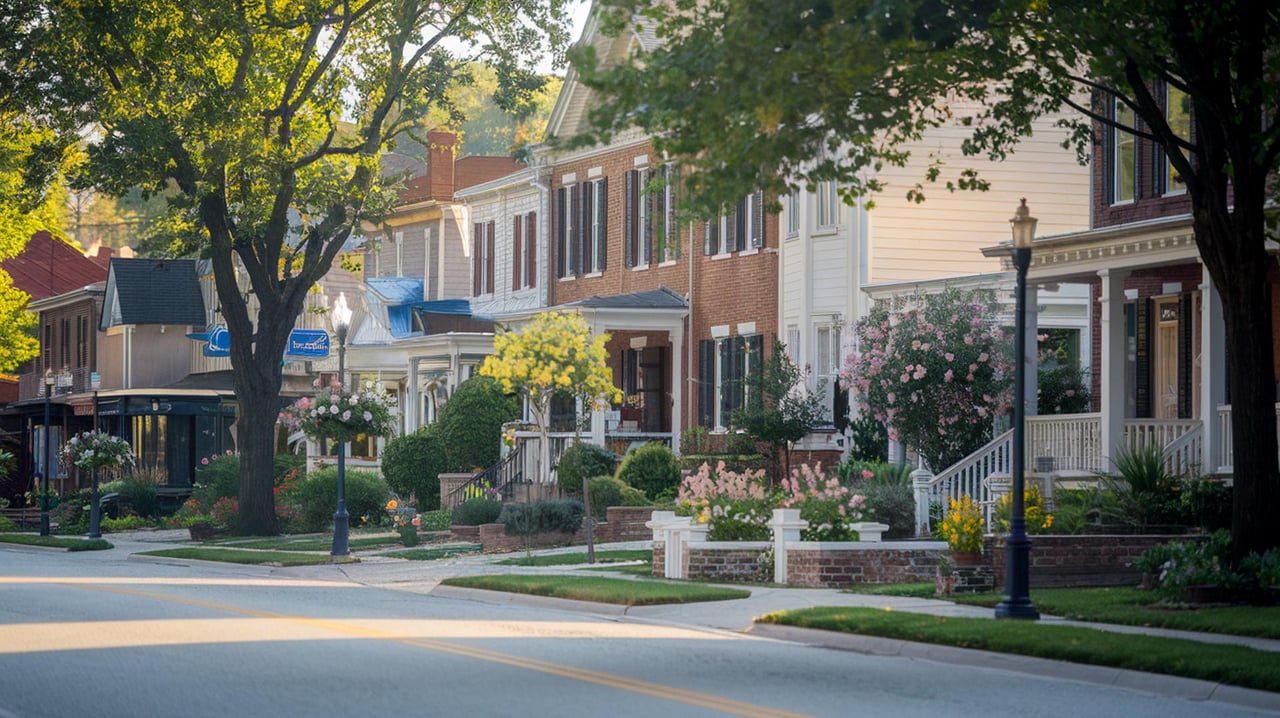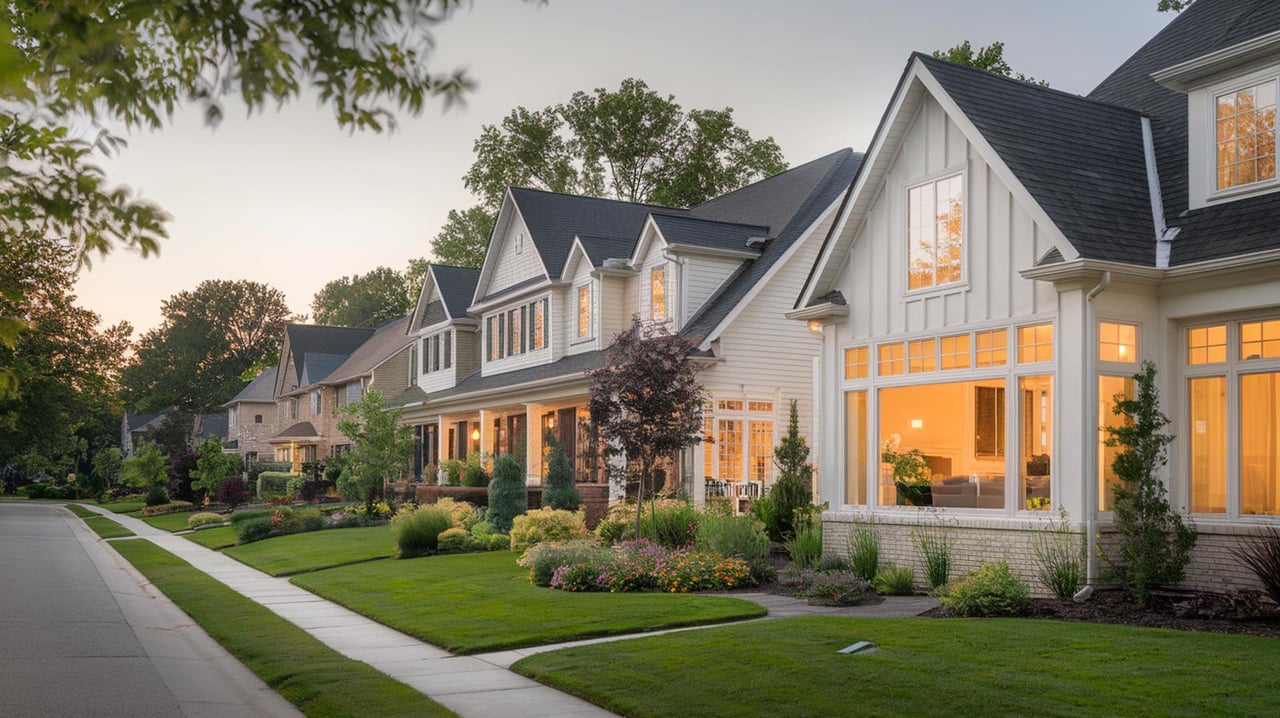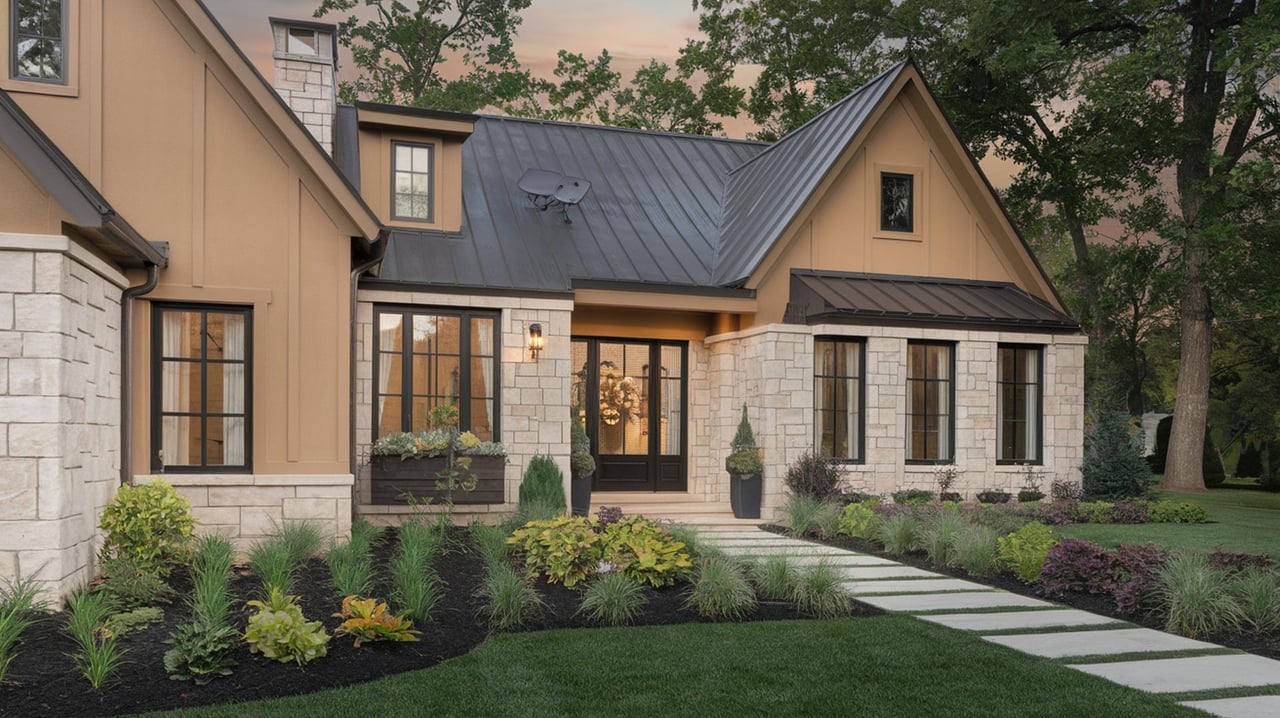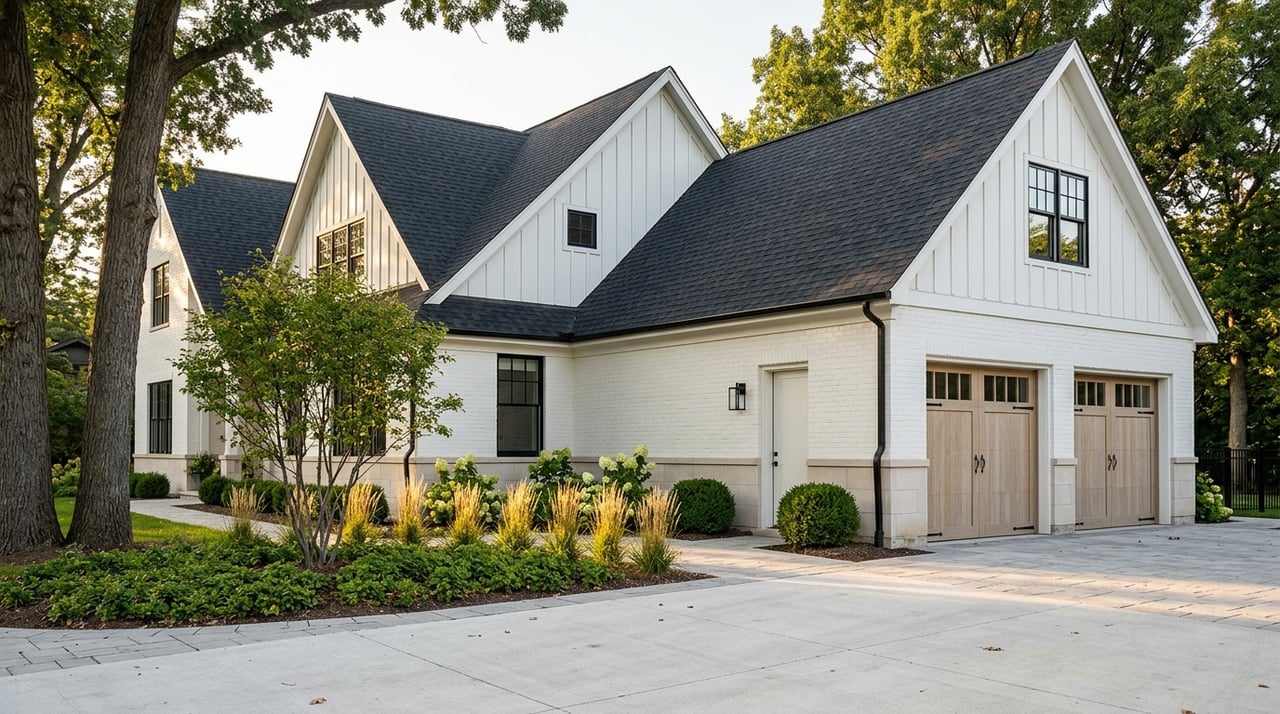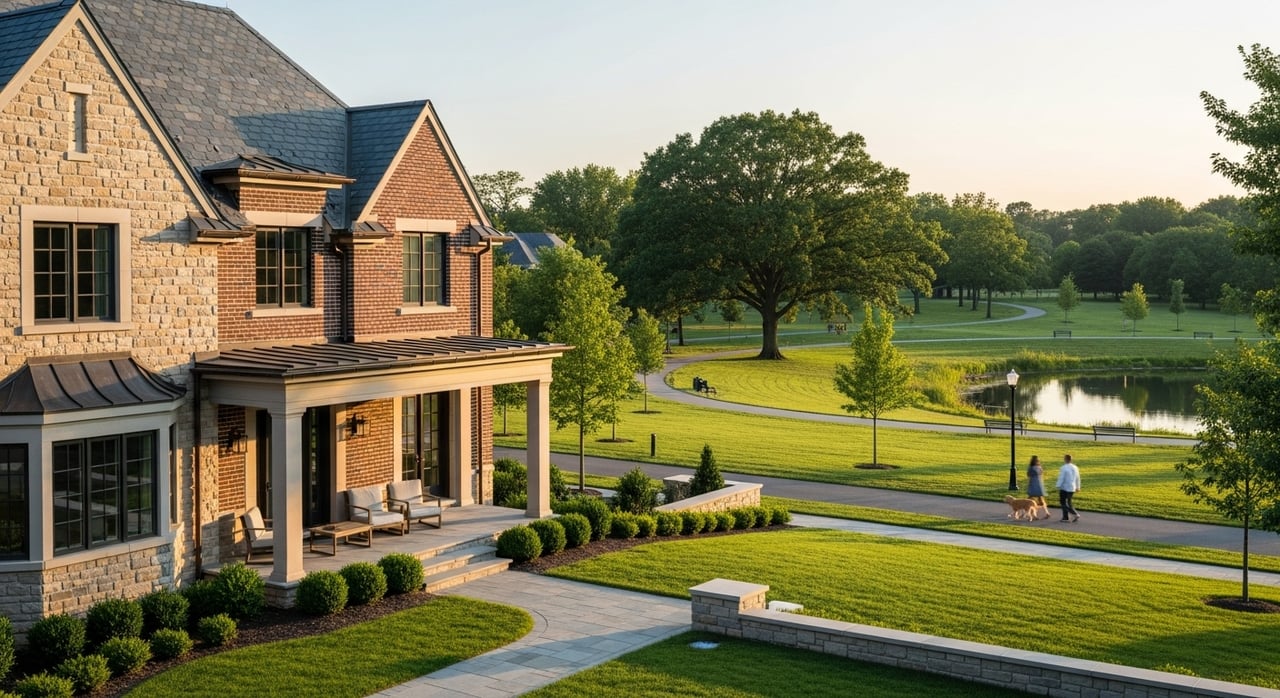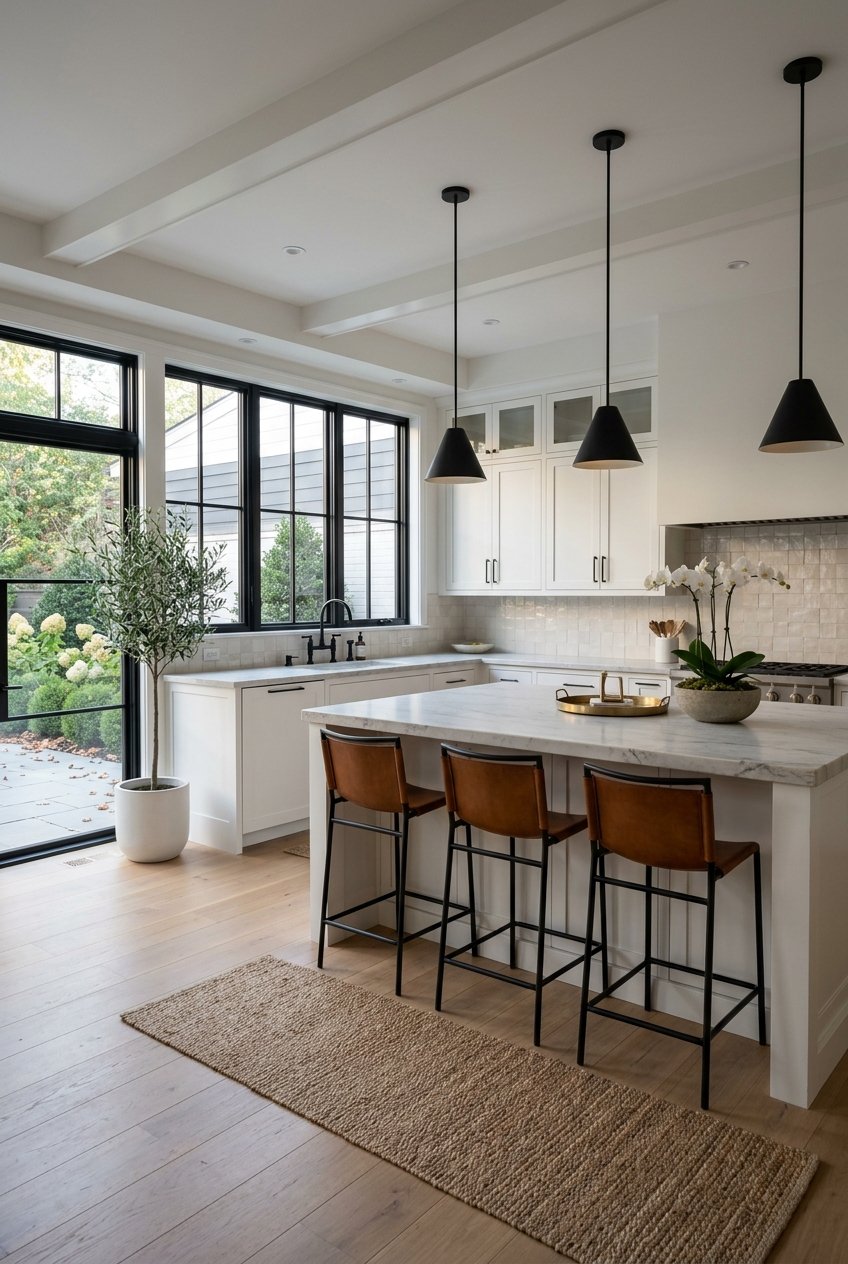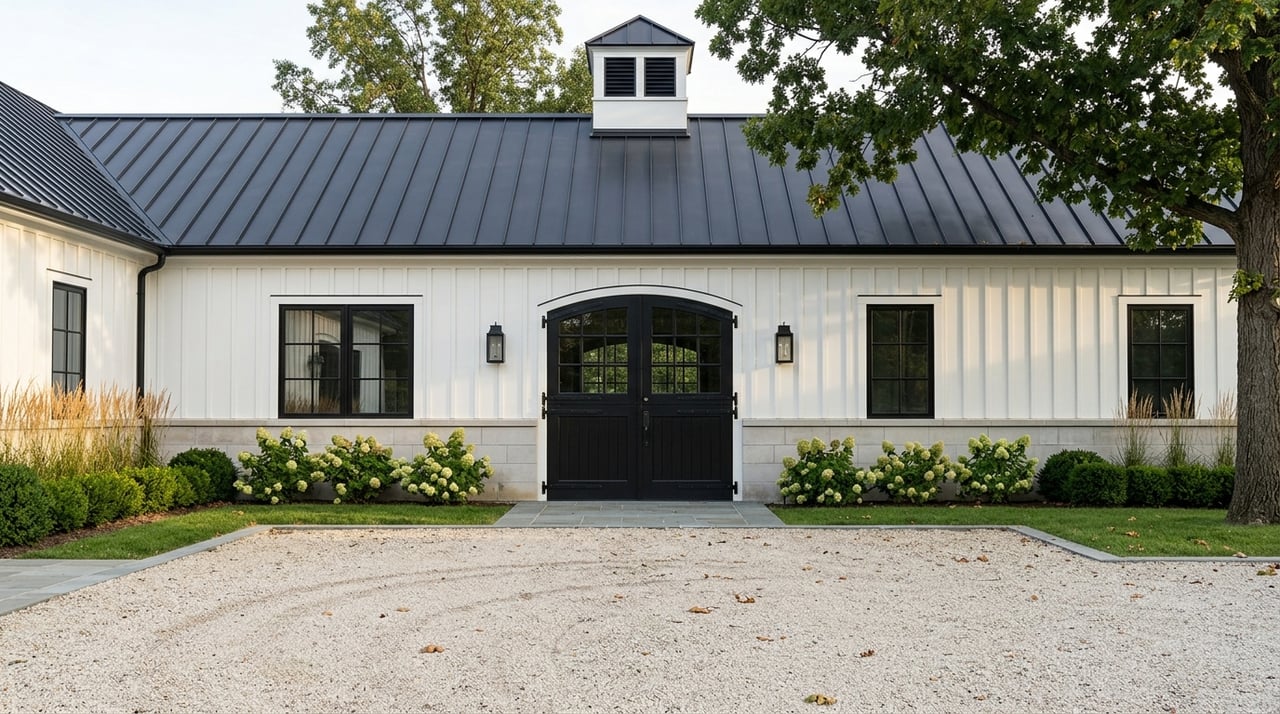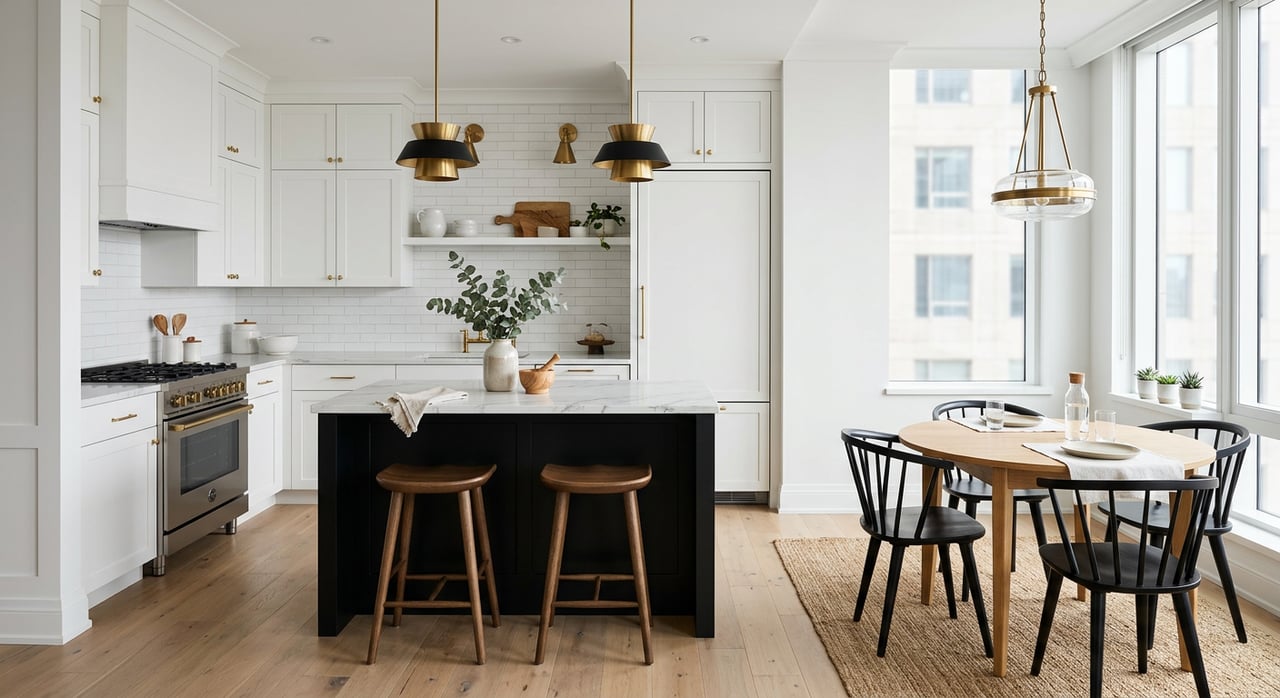
Building a luxury home in Town and Country can look simple from the street. You find a beautiful lot, choose a plan, and imagine the finished result. In reality, the path from raw land to a completed residence here depends on zoning, setbacks, tree preservation, design review, and timing. If you are considering a custom build, understanding those steps early can help you avoid costly surprises and move forward with more confidence. Let’s dive in.
Why Town and Country Is Different
Town and Country is not just another land market. It is a high-value, predominantly owner-occupied residential community, with a 2024 median value of owner-occupied housing units of $928,500 and an owner-occupied housing rate of 86.5% according to Census QuickFacts. That context helps explain why design quality, lot fit, and compatibility matter so much here.
The city’s zoning framework is also intentionally protective of residential character. Its rules are designed to guide growth, support appropriate land use, and preserve the city’s overall development pattern. For you as a buyer, that means the lot itself is only part of the decision. The approval path matters just as much.
Start With the Lot, Not the House Plan
One of the biggest mistakes in a custom build search is falling in love with a concept before confirming the parcel can support it. In Town and Country, the more important question is often not can you build, but can you build what you want to build.
Before a contract is truly firm, you need to look closely at zoning, lot dimensions, setbacks, tree preservation requirements, and any subdivision restrictions or indentures. The city’s building permit application specifically notes that Town and Country does not confirm whether subdivision restrictions allow the work, and it directs applicants to consult subdivision trustees before submitting plans.
That is a major reason lot due diligence should happen early. A parcel that appears ideal on paper may have private restrictions, tree limitations, or design constraints that change the project significantly.
Know the Zoning Rules First
Town and Country includes several residential districts that can shape the size and placement of a future home. These rules affect what may fit on the site long before architectural details are discussed.
Estate District Basics
In the Estate District, the minimum lot area is 80,000 square feet and the minimum lot width is 175 feet. The district also requires a 50-foot street setback, 50-foot side yards, and a 40-foot rear yard setback. Principal building height is capped at 40 feet unless setback conditions allow more.
This district is intended to preserve larger-lot neighborhoods and support estate-type development. If you are seeking a substantial custom residence, these standards can support that vision, but they also create a defined building envelope that must be respected.
Suburban Estate District Basics
In the Suburban Estate District, the minimum lot area is 43,560 square feet, or one acre, with a minimum lot width of 150 feet. The street setback is 50 feet, the rear yard setback is 30 feet, and principal height is generally limited to 40 feet.
This district is also designed to preserve single-family residential character. For buyers considering a luxury custom home, it often offers generous space while still requiring careful planning around the approved envelope.
Other Setback Rules That Matter
In the Suburban Medium District, the minimum lot area is 21,780 square feet, with a minimum lot width of 120 feet, a 40-foot street setback, and 15-foot side yards. Some frontages have larger setback requirements, which can materially affect design.
For example, lots abutting Clayton Road require a 70-foot setback. Lots along Woods Mill Road, North Forty Drive, and South Forty Drive require 90 feet. In the Estate District, flag lots are not permitted.
The Lot’s Physical Features Can Shape the Design
Zoning is only one part of the picture. Town and Country’s site-plan review standards also consider natural resources, access, landscaping, lighting, massing, and compatibility with adjoining development.
The city’s review process may involve site surveys showing features such as ravines, floodplains, mature woodlands, and drainageways. For you, that means topography and environmental conditions can influence the design almost as much as lot size. A wide parcel with challenging drainage or mature tree coverage may be less flexible than it first appears.
Tree Preservation Is a Major Factor
In Town and Country, tree preservation is not a minor detail. It is a central part of the early review process.
The city requires a Tree Protection Plan for demolition, architectural review, or building permits. That plan must identify existing trees to remain or be removed, critical root zones, tree-protection zones, and fencing. It must also be certified by a Missouri licensed landscape architect or an ISA-certified arborist.
The city generally prohibits removal of trees 6 inches in diameter or greater before approval. It also requires preservation of at least 50% of the cross-sectional area of healthy trees at that size or larger. If your preferred house placement conflicts with mature trees, the design may need to change.
Teardowns Have Their Own Requirements
Some luxury buyers in Town and Country start with an older home and plan a teardown. If that is your strategy, the demolition phase has its own rules and costs.
The city requires a demolition application, a $200 fee, and a $5,000 cash escrow for street guarantees before demolition or building permits are issued. Utility disconnection notices, erosion-control measures, and a tree protection plan are also required. Demolition must generally be completed within 30 days unless an extension is granted.
Expect a Multi-Step Approval Process
A custom home in Town and Country usually moves through a sequence of reviews, not a single permit counter. That timeline matters because luxury projects often involve architects, builders, engineers, surveyors, and lenders working in coordination.
Architectural Review Board
All new residences must go before the Architectural Review Board before permitting. The ARB typically meets on the first Monday of each month at 5:30 p.m.
Applicants must submit a fee, two submittal packets, and 12 collated, folded sets by the deadline. Plans and elevations must be drawn to scale, and a representative should attend with exterior material samples. For a custom home, this means the design must be presentation-ready well before construction can begin.
Site Plan Review for Larger Projects
For larger projects and planned residential-community subdivisions, the city uses a formal site-plan review process. That process involves a signed application, staff review, additional plan copies once the submission is complete, a public hearing before the Planning and Zoning Commission, notice to neighbors, ARB design review, and then Board of Aldermen consideration at two separate meetings.
The city evaluates whether the proposal aligns with sound planning practice and remains compatible with existing and permitted development. If your project is more complex than a typical single-lot build, this adds time and coordination.
Rezoning if Needed
If the parcel requires rezoning, the process becomes even more formal. The city requires a petition and site plan, followed by Planning and Zoning Commission review and a Board of Aldermen hearing.
In that review, the commission considers public need, plan consistency, suitability of the property, adequacy of facilities, public health and safety, and effects on adjoining land values. If rezoning is part of your strategy, you should approach the timeline with patience and strong professional guidance.
Build a Timeline in Phases
One of the smartest ways to approach a Town and Country custom build is to think in phases rather than one continuous schedule. The city’s code creates natural timing checkpoints.
The site-plan process calls for a public hearing within 60 days of a complete application. After preliminary approval, a final site development plan is generally due within 12 months, with a possible extension up to 36 months. Building permits are valid for one year after the effective date unless extended by the code official.
These deadlines show why planning matters. If you assemble your team too late or move into design before confirming the review path, delays can ripple through the project.
Assemble the Right Team Early
Town and Country’s permit process makes it clear that early coordination is essential. Building permit submittals require a signed application, two sets of building plans sealed and signed by a Missouri-registered architect or engineer, and site plans based on a current survey signed and sealed by a land surveyor.
The city also asks applicants to contact subdivision trustees for exterior work and to provide water-runoff and green-space calculations where applicable. In practical terms, this means your architect, builder, surveyor, and other project professionals should be aligned well before permit submission.
For trade work, responsibilities are split. Town and Country reviews and issues building and mechanical permits, while St. Louis County Public Works handles electrical and plumbing permits. Inspections are scheduled through Planning and Public Works and must occur in order.
Financing Should Match the Build Process
Financing a custom home is not just a mortgage decision. It is part of the project strategy.
Construction financing typically funds the home in a series of advances as work progresses, rather than a single disbursement at closing. Because approvals, plans, and construction happen in stages, your financing approach should fit that structure from the beginning. Bringing your lender into the conversation early can help keep expectations aligned with the city’s review calendar and your build schedule.
Do Not Forget the Final Occupancy Step
Even after construction is complete, there is one more city milestone. Residential occupancy permits are required before first occupancy of new houses.
If temporary occupancy is requested, the city’s permit form states that the street-guarantee escrow remains in place. It also adds a $5,000 escrow for landscaping, grading, and site restoration until permanent occupancy is achieved. That final step is important for buyers planning a move-in around school-year timing, relocation, or a sale of another property.
What This Means for You as a Buyer
If you are buying a lot or planning a teardown in Town and Country, the safest approach is disciplined due diligence before you close. Verify the zoning district, setbacks, frontage rules, tree-preservation implications, topography, drainage, and any subdivision restrictions. Then make sure your architect, builder, and lender are working from the same timeline.
This is where experienced local guidance can add real value. In a design-review market like Town and Country, a lot purchase is not only about location. It is also about whether the parcel, the city process, and your vision all fit together.
If you are considering a buildable lot, teardown opportunity, or custom home strategy in Town and Country, Aimee Simpson offers white-glove guidance grounded in local experience, discreet service, and a deep understanding of the central St. Louis luxury market.
FAQs
What matters most before buying a buildable lot in Town and Country?
- The key issues are zoning, lot width, setbacks, tree-preservation requirements, drainage or topography, and any subdivision restrictions or trustee approvals that may affect your plans.
Can you build any luxury home design on a Town and Country lot?
- No. New residences must comply with zoning rules, setback standards, Architectural Review Board review, and tree-preservation requirements before permits are issued.
How large do lots need to be in Town and Country estate areas?
- In the Estate District, the minimum lot area is 80,000 square feet. In the Suburban Estate District, the minimum lot area is 43,560 square feet, or one acre.
Do mature trees affect custom home plans in Town and Country?
- Yes. The city requires a Tree Protection Plan and generally restricts removal of trees 6 inches in diameter or greater before approval, with preservation standards that can influence site design.
Does a teardown project in Town and Country require separate approval?
- Yes. Demolition requires its own application, fee, escrow, utility disconnection notices, erosion-control measures, and tree-protection documentation.
How long does the Town and Country approval process take for a custom home?
- The timing depends on the project scope, but the city’s review path usually involves multiple steps such as Architectural Review Board review, possible site-plan review, and permit approvals, so it should be planned in phases rather than as a simple build schedule.
What professionals should you bring in early for a Town and Country custom build?
- You should coordinate early with your real estate advisor, architect, builder, surveyor, and lender because permit submissions require sealed plans, a current survey, and a phased approval process.