If you want estate-style privacy without feeling cut off from the best of St. Louis, Frontenac deserves a close look. This small, established suburb offers a rare pairing: quiet residential streets with large homes and mature trees, plus immediate access to one of the region’s best-known luxury retail and dining destinations. If you are weighing a move, a purchase, or the long-term value of owning here, this guide will help you understand what living near Plaza Frontenac really looks like. Let’s dive in.
Why Frontenac Stands Out
Frontenac is a small inner-ring suburb in St. Louis County with roughly 3,500 residents spread across about 2.8 square miles. The city also reports about 1,300 homes, which helps explain why the area feels intimate, established, and distinctly residential.
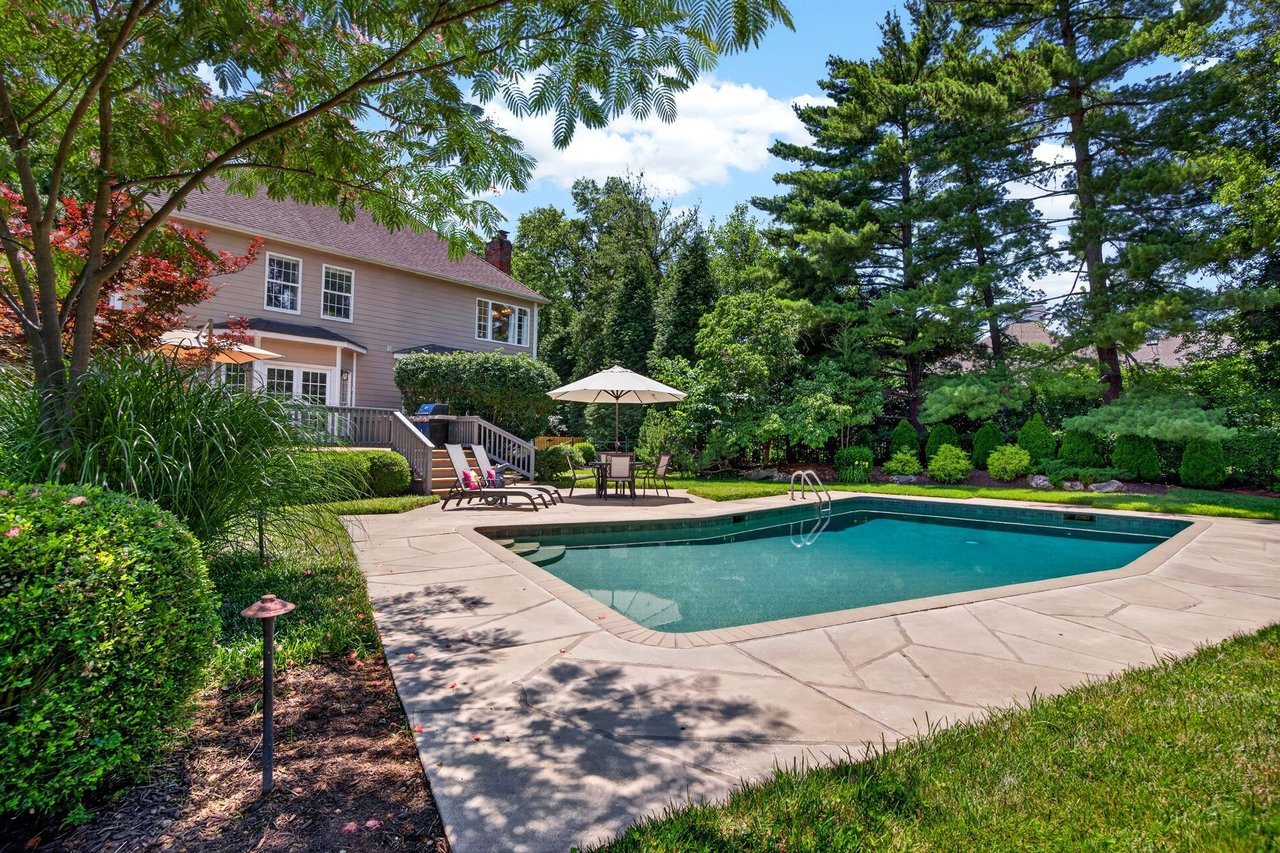
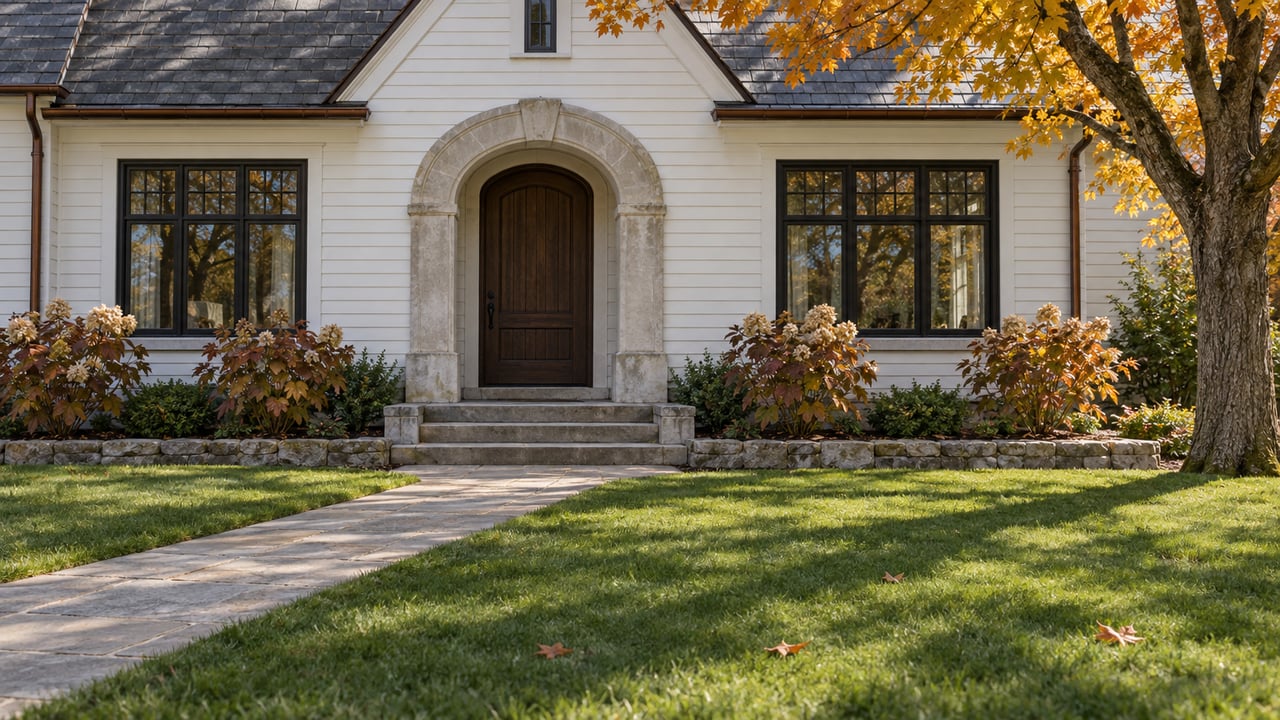
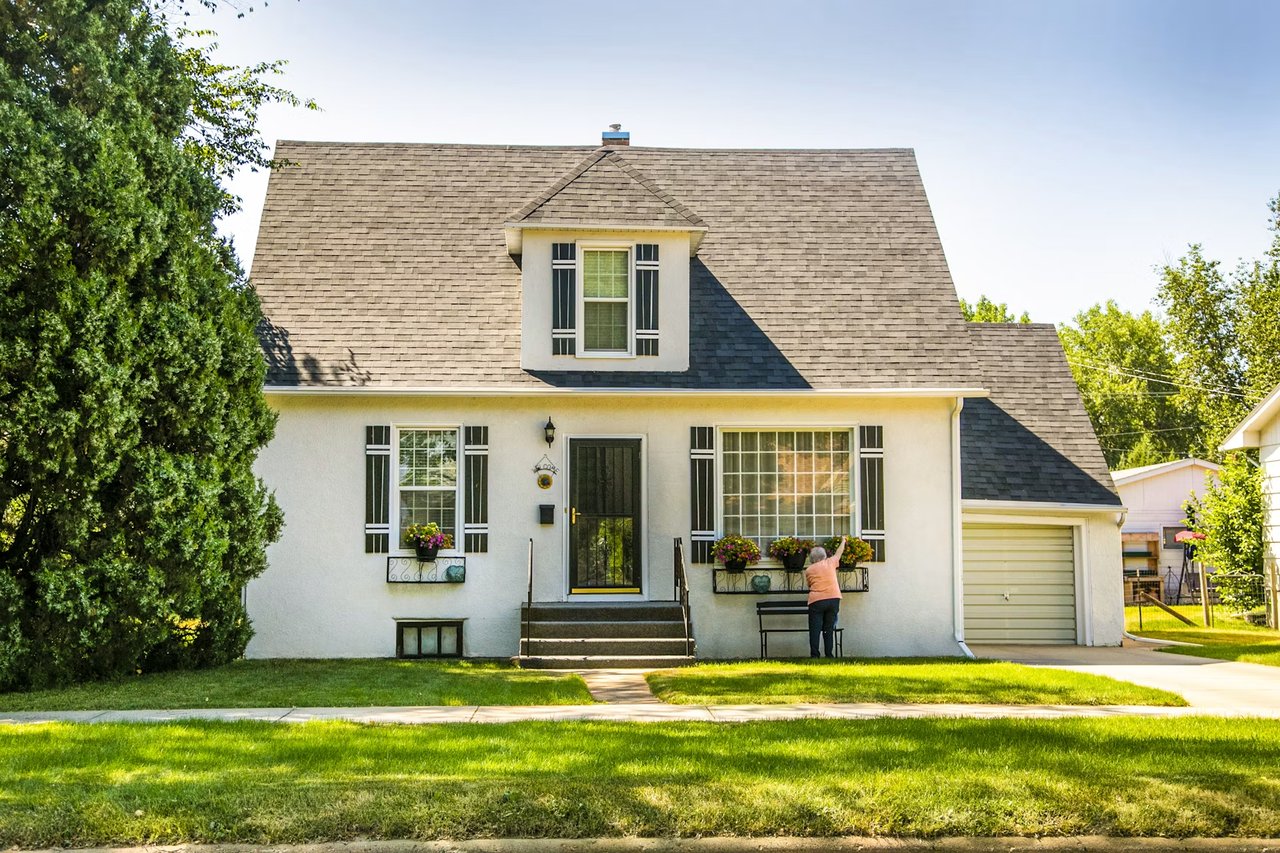
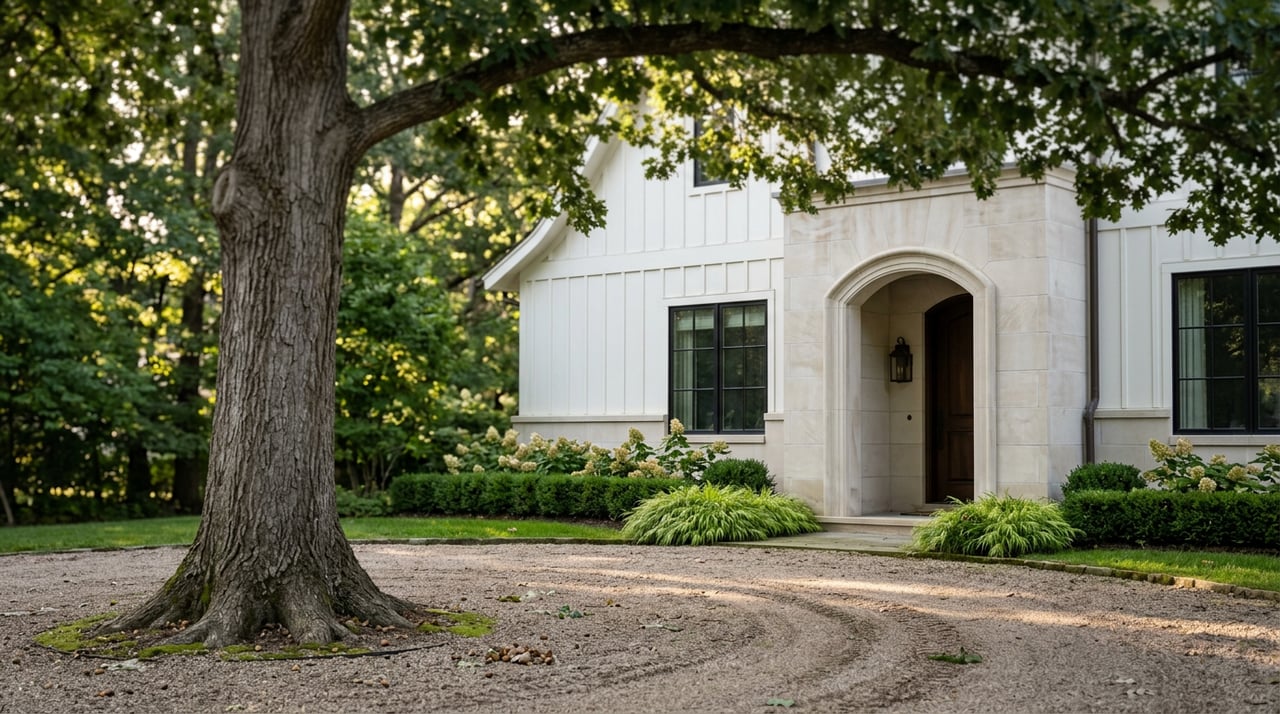
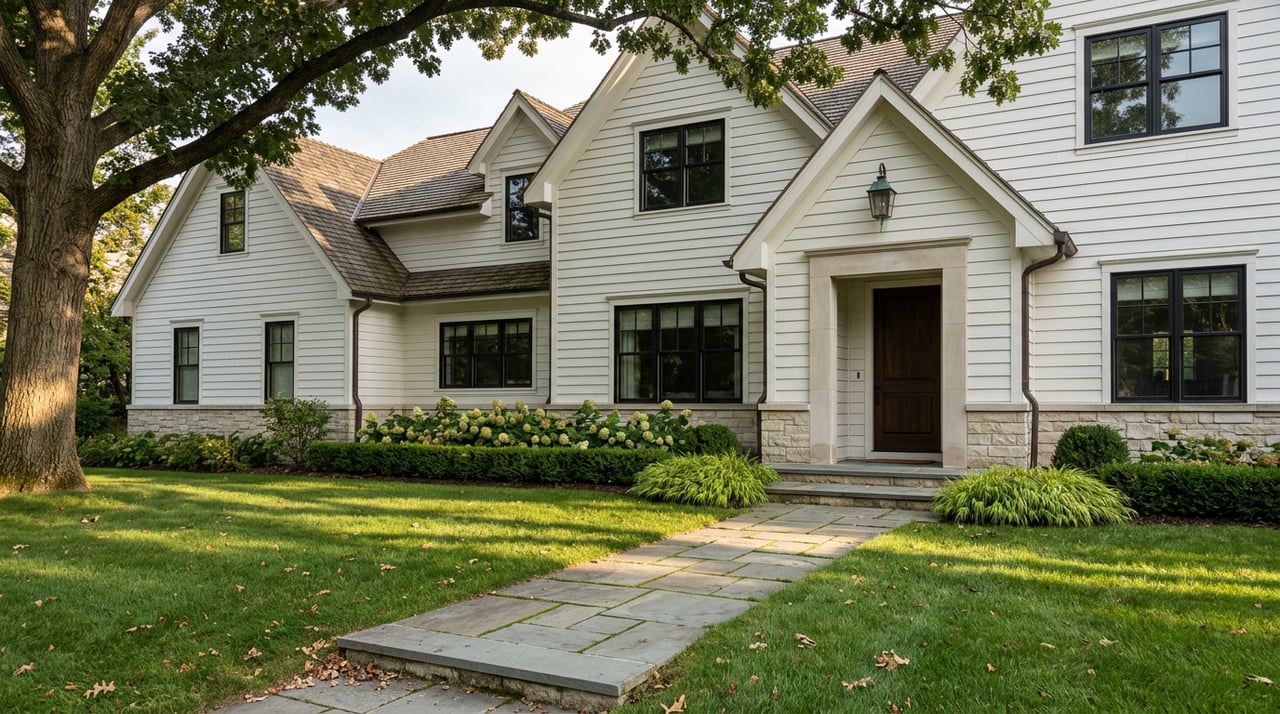
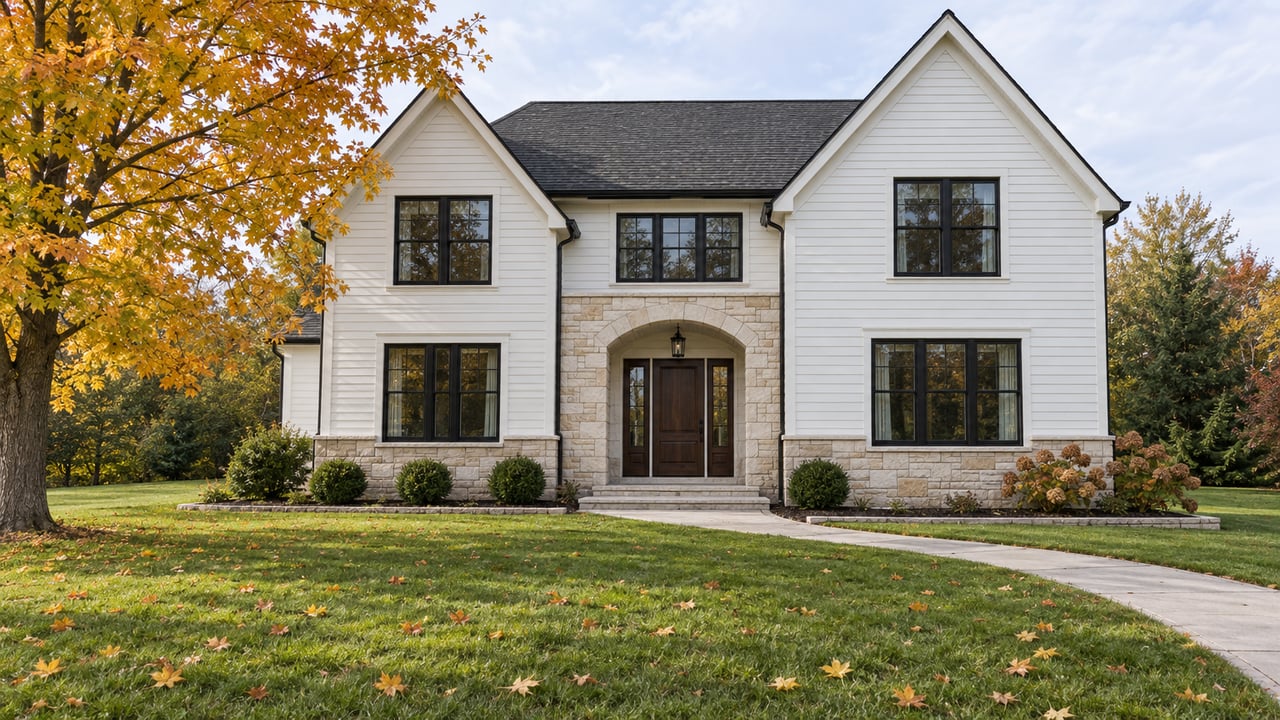
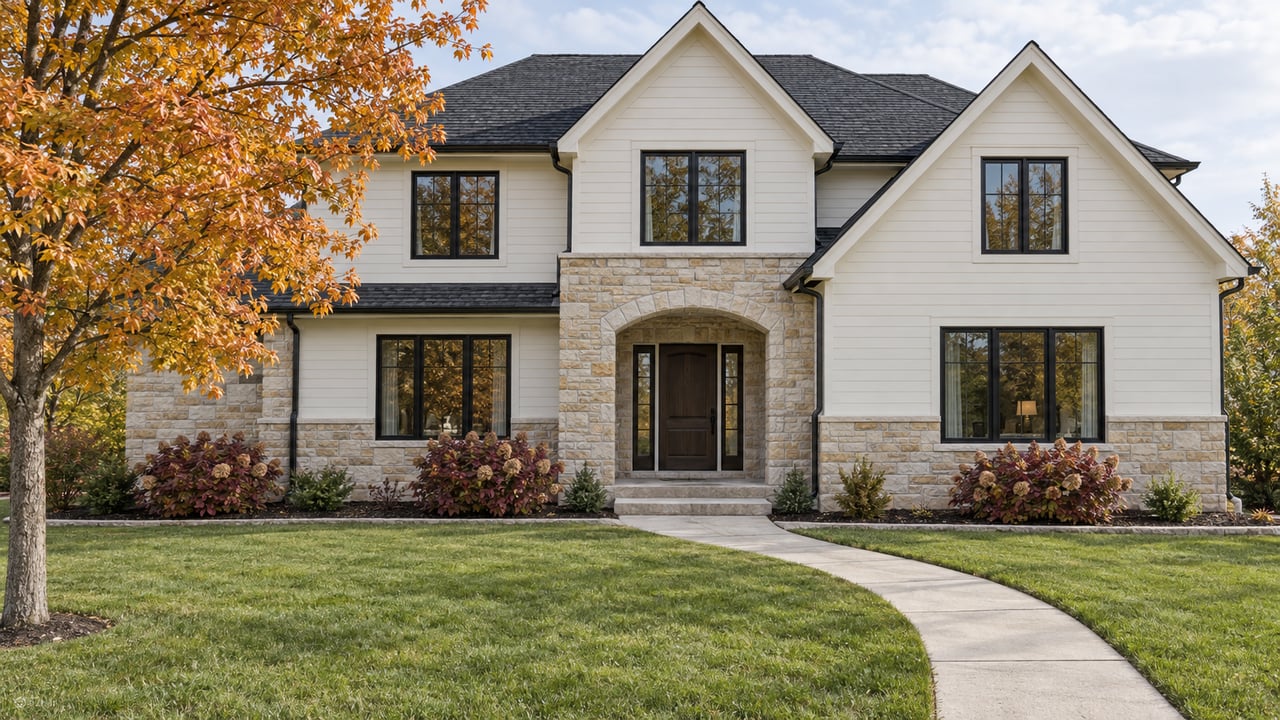
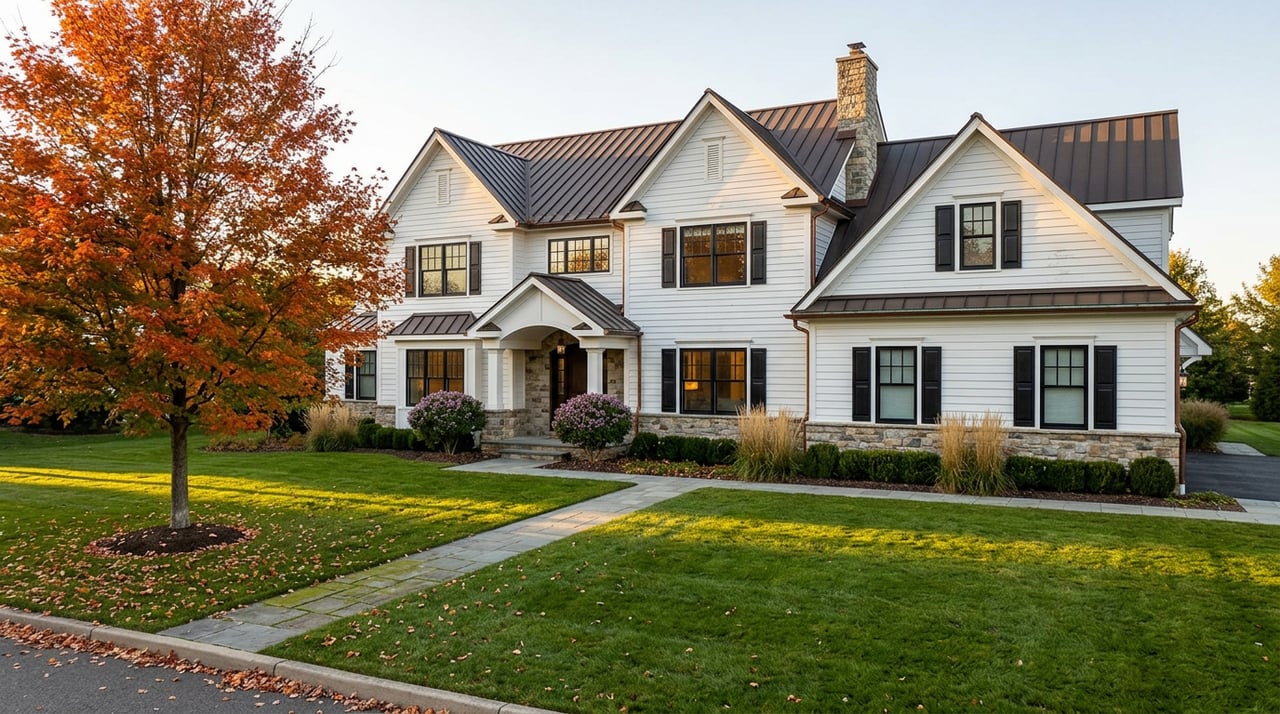
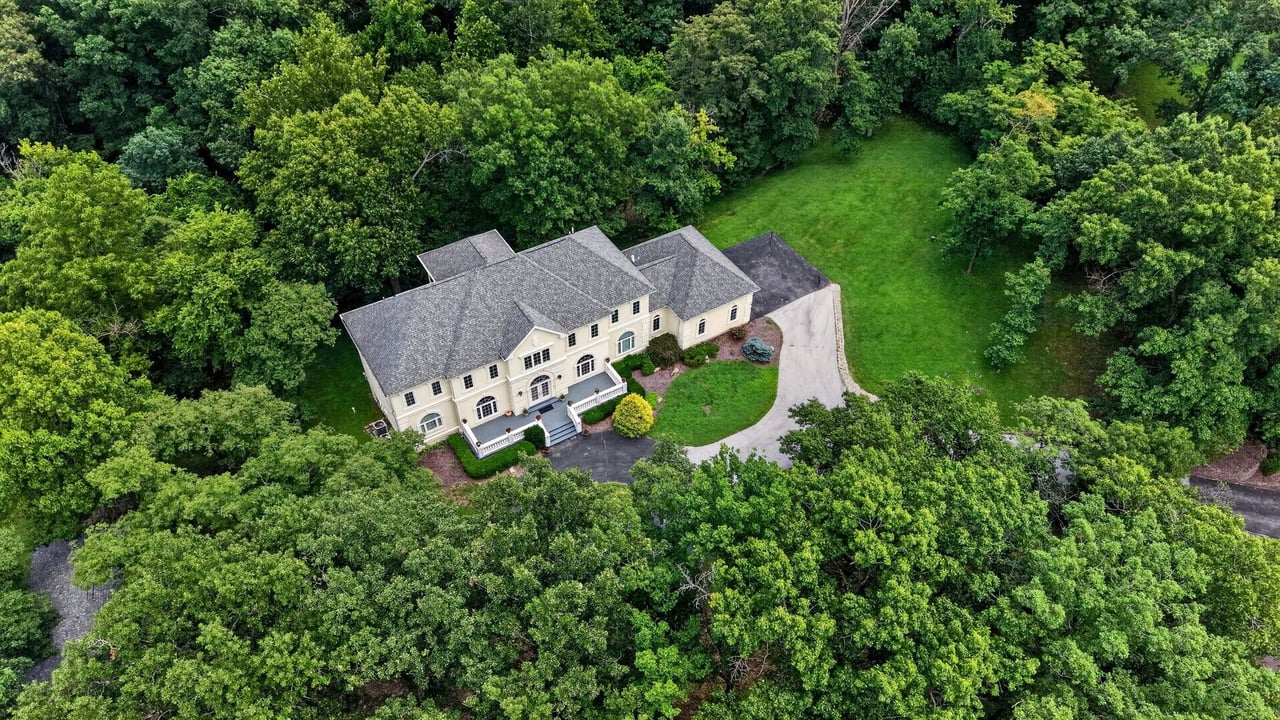
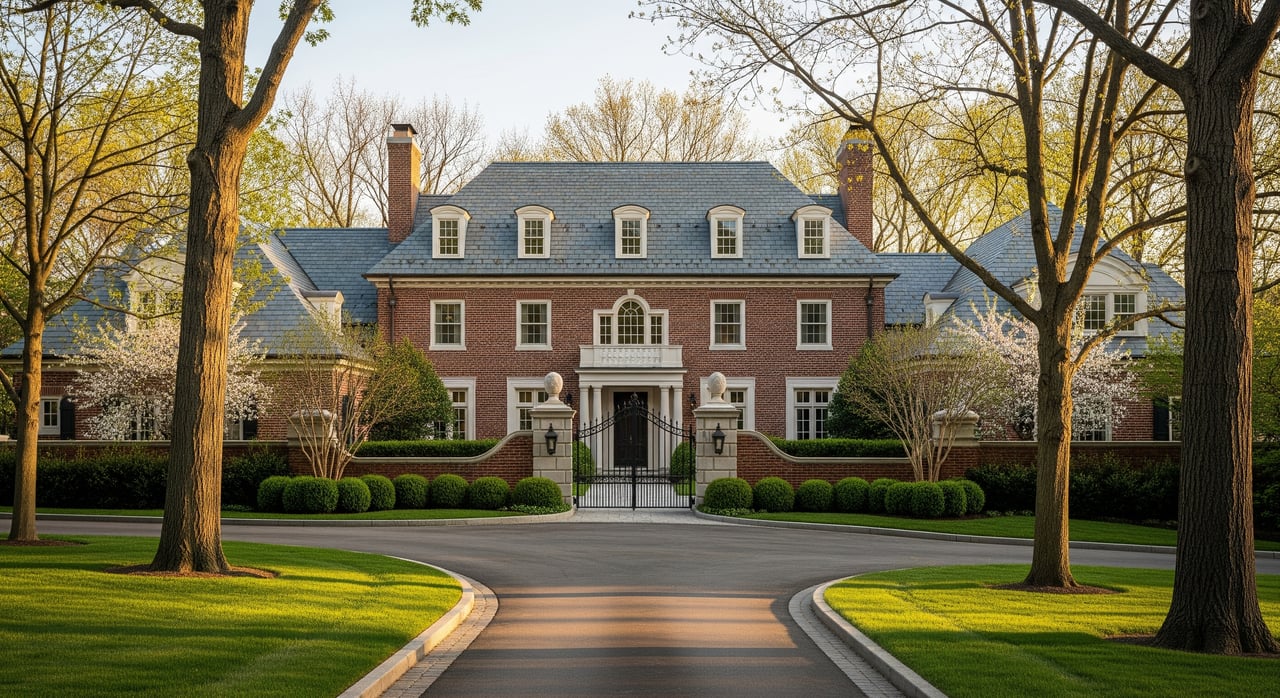
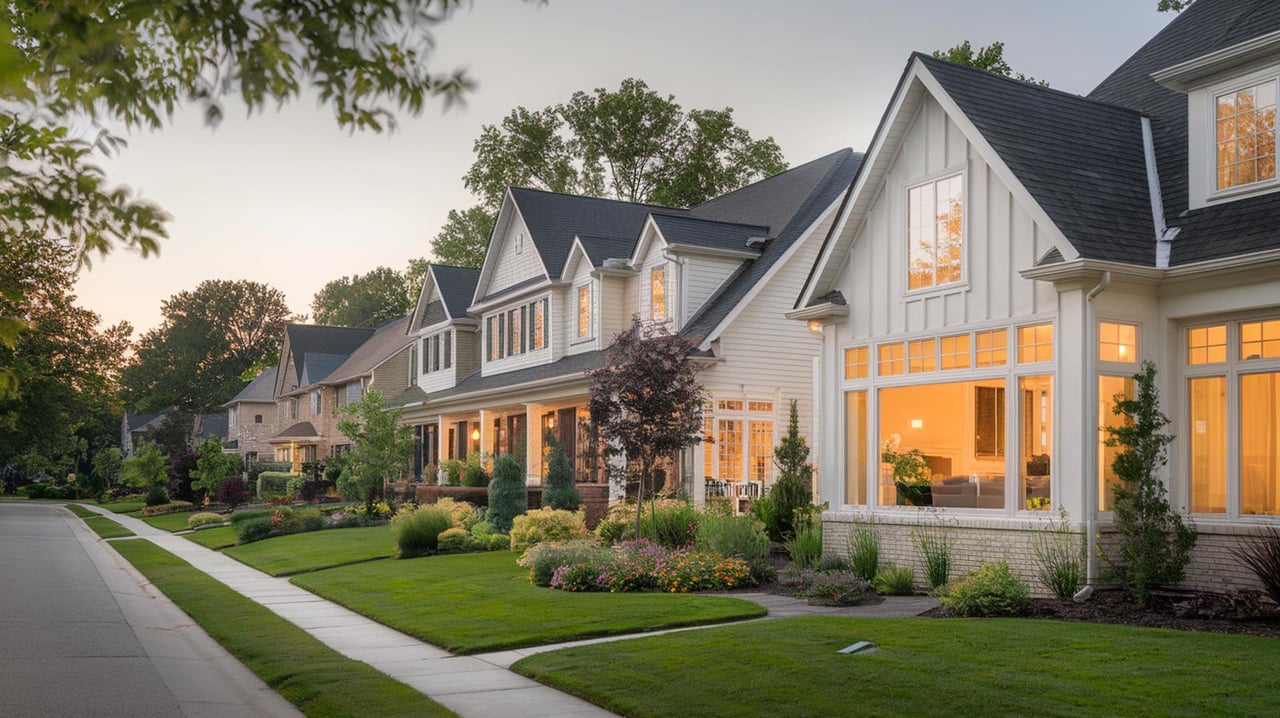
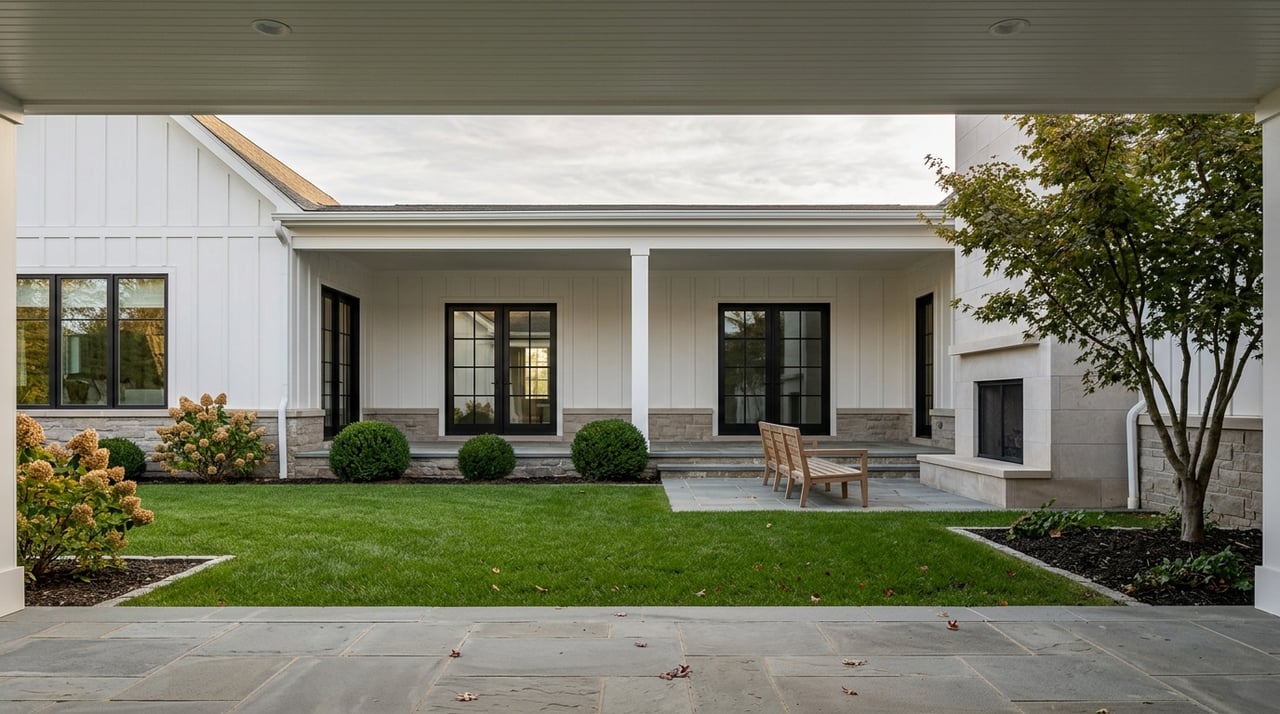
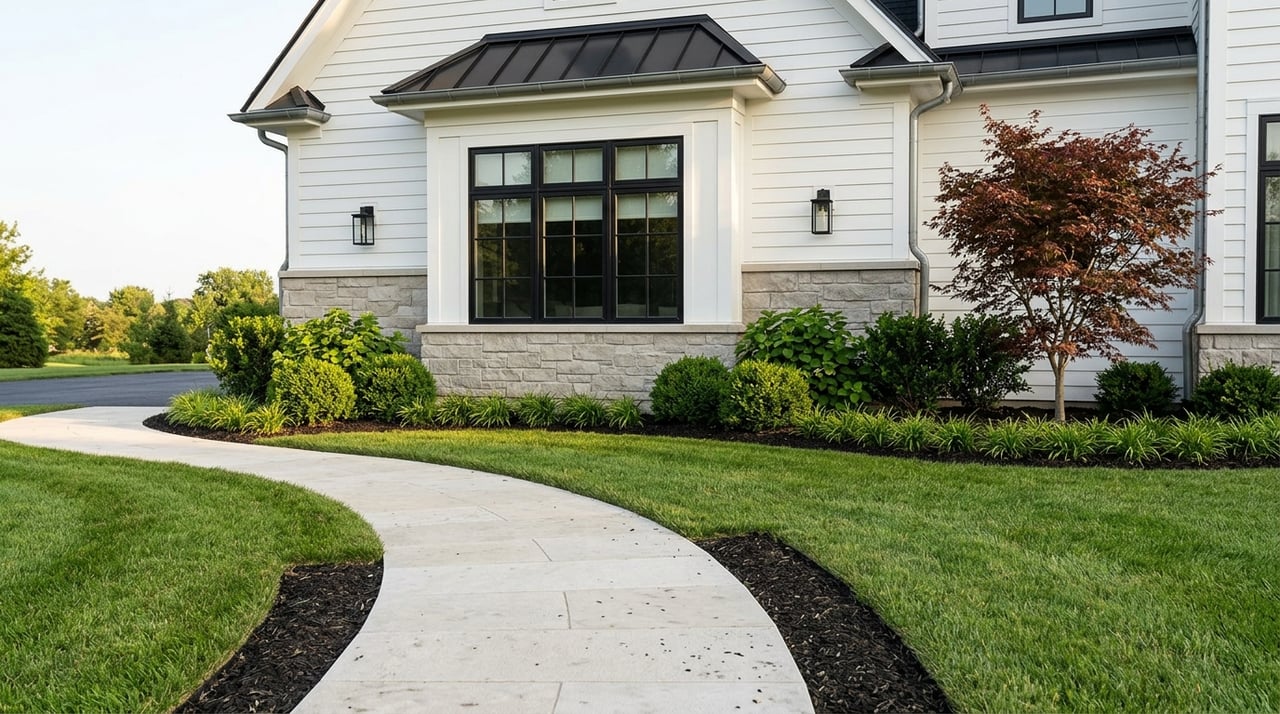
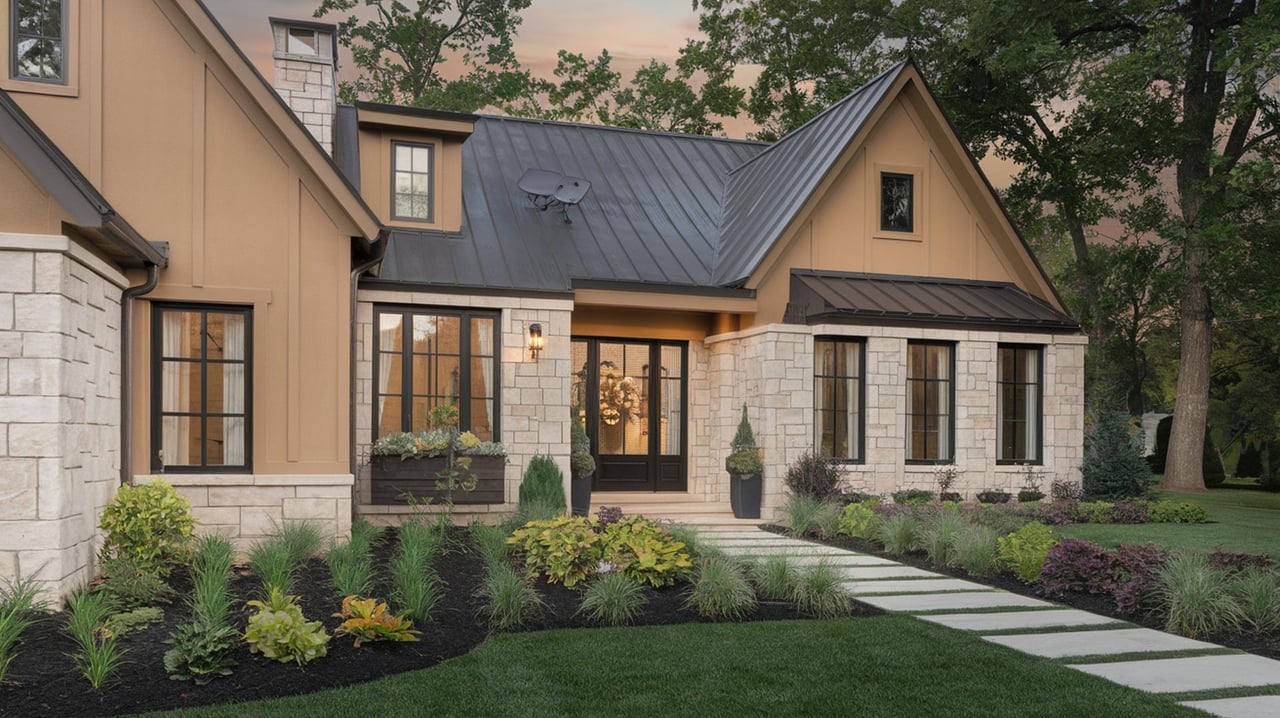
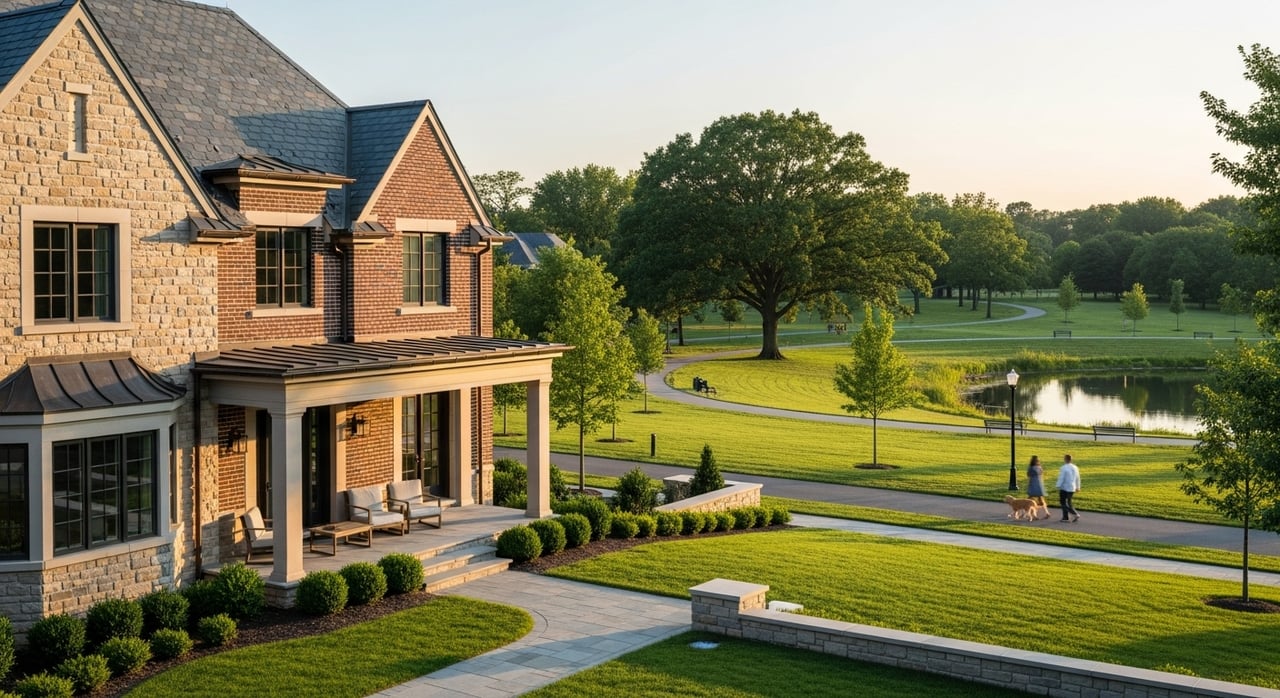
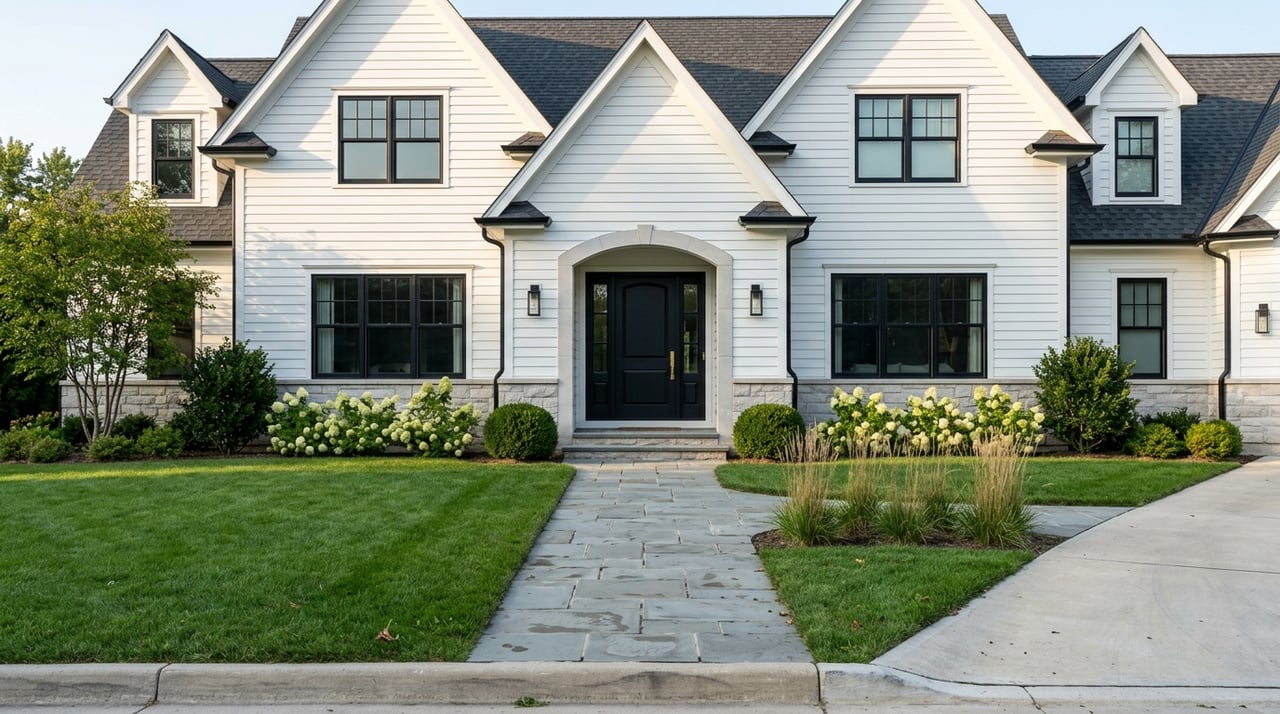
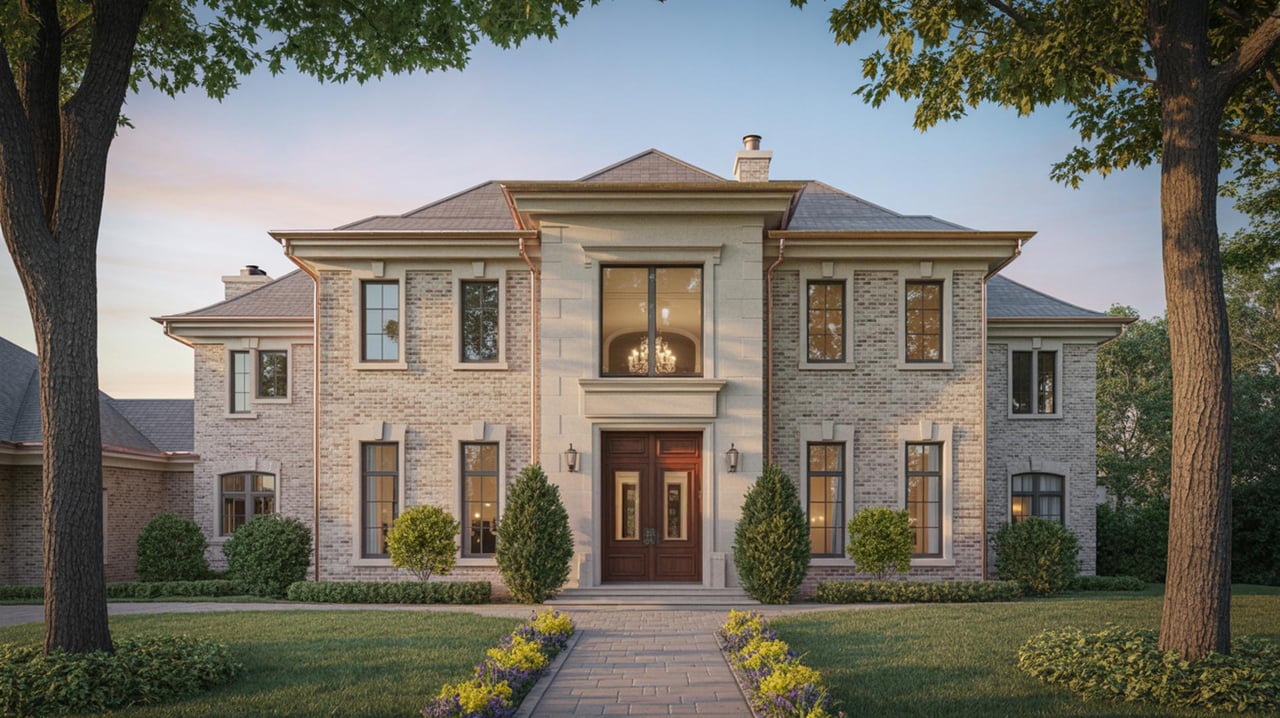
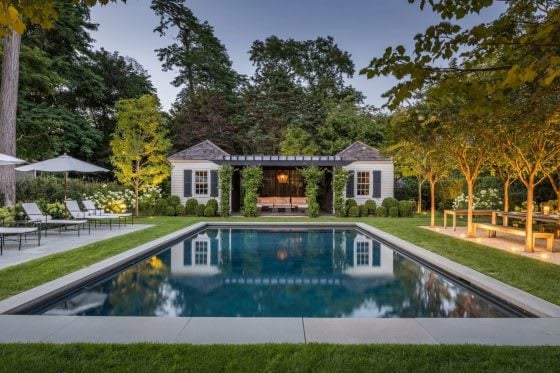
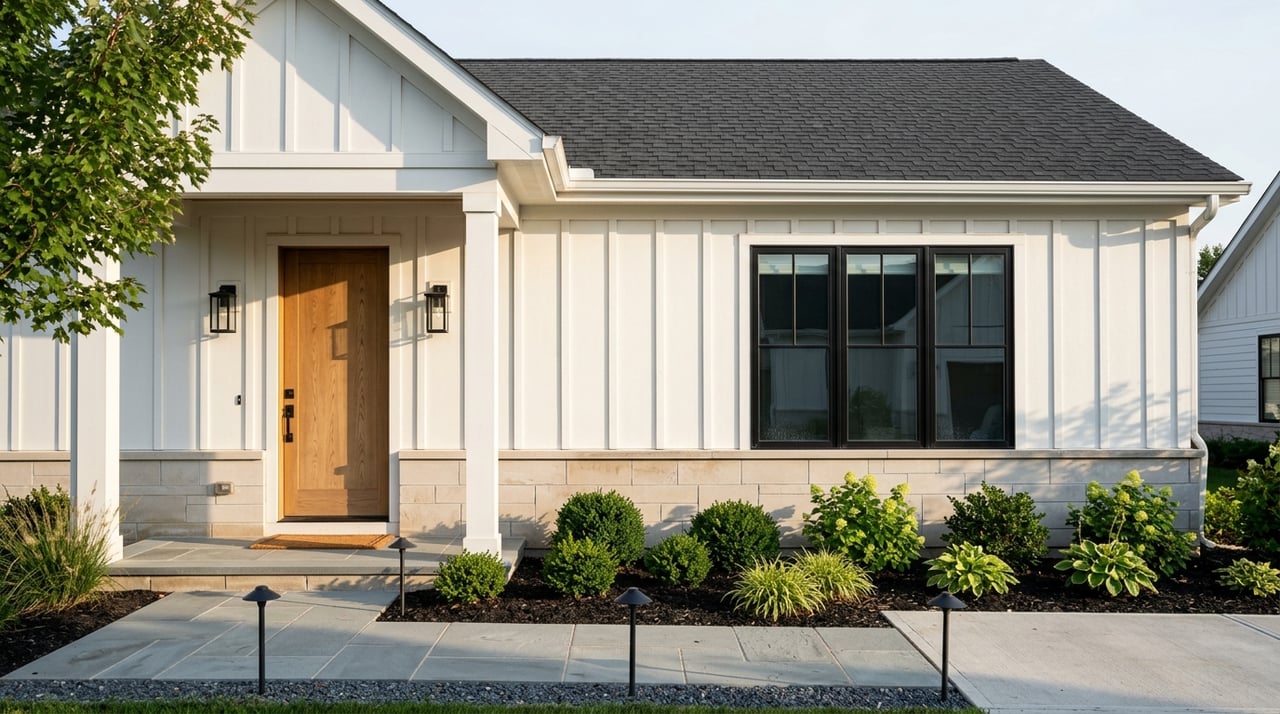
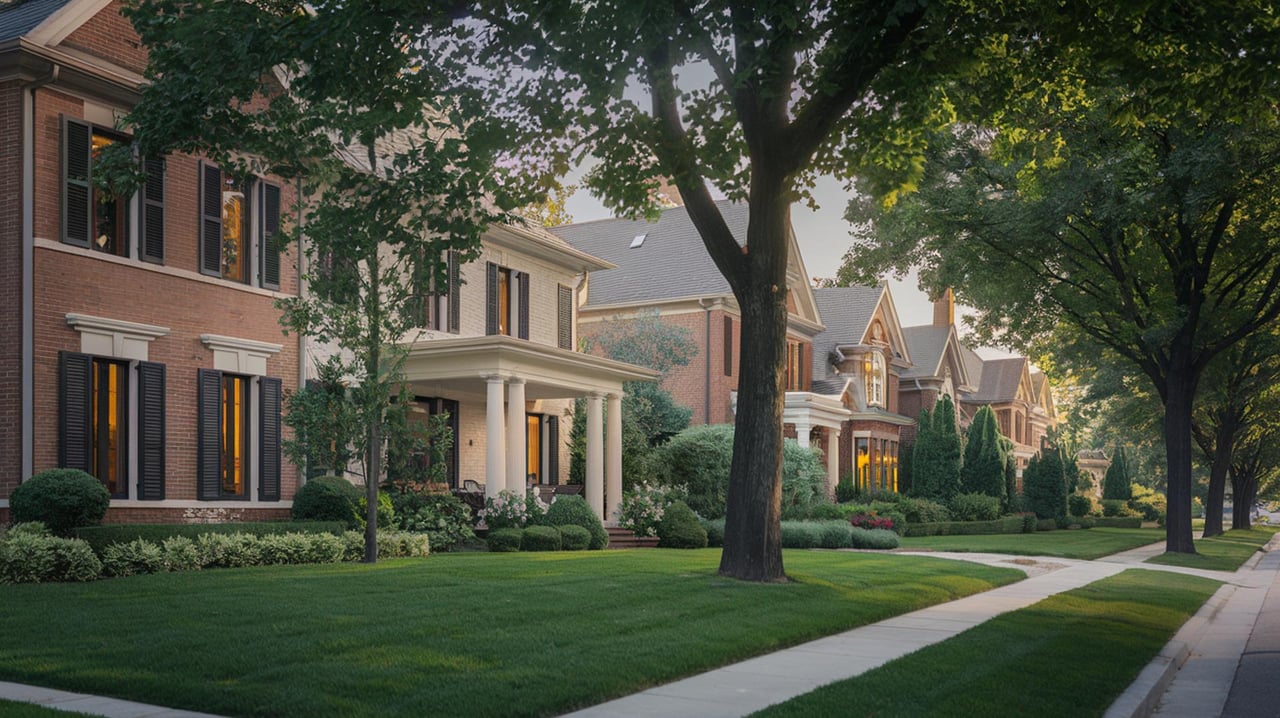
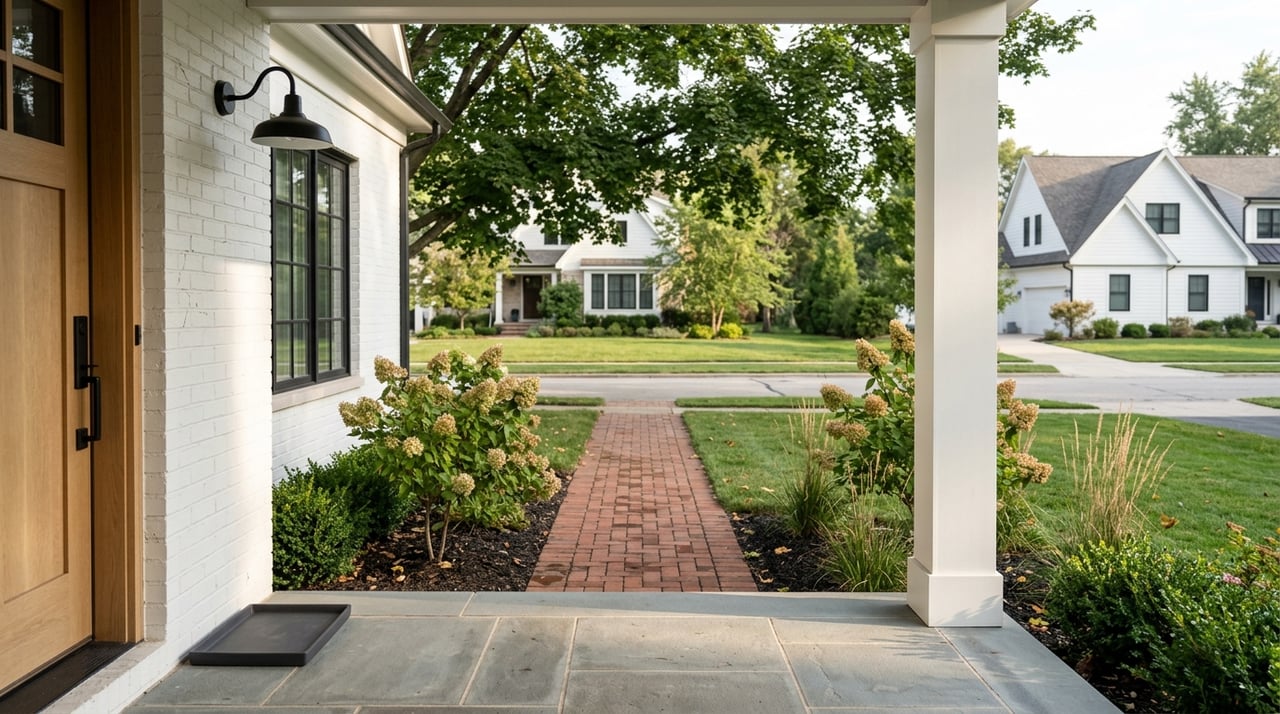
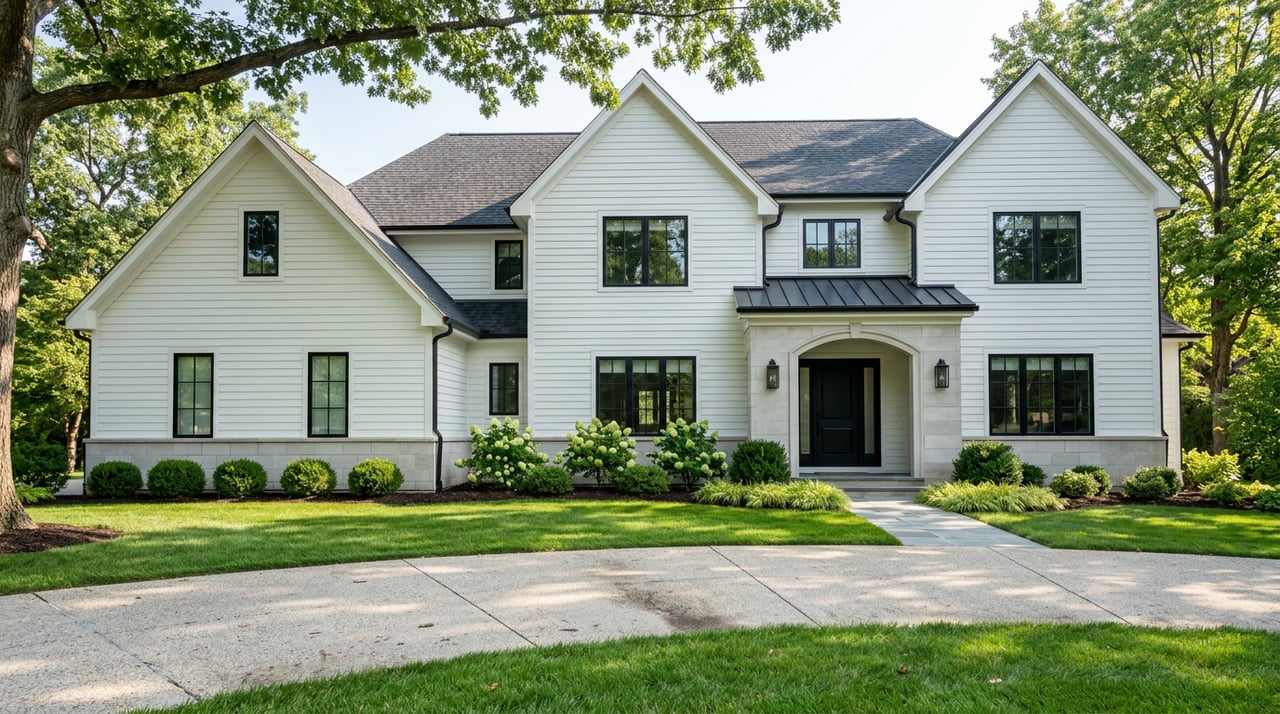
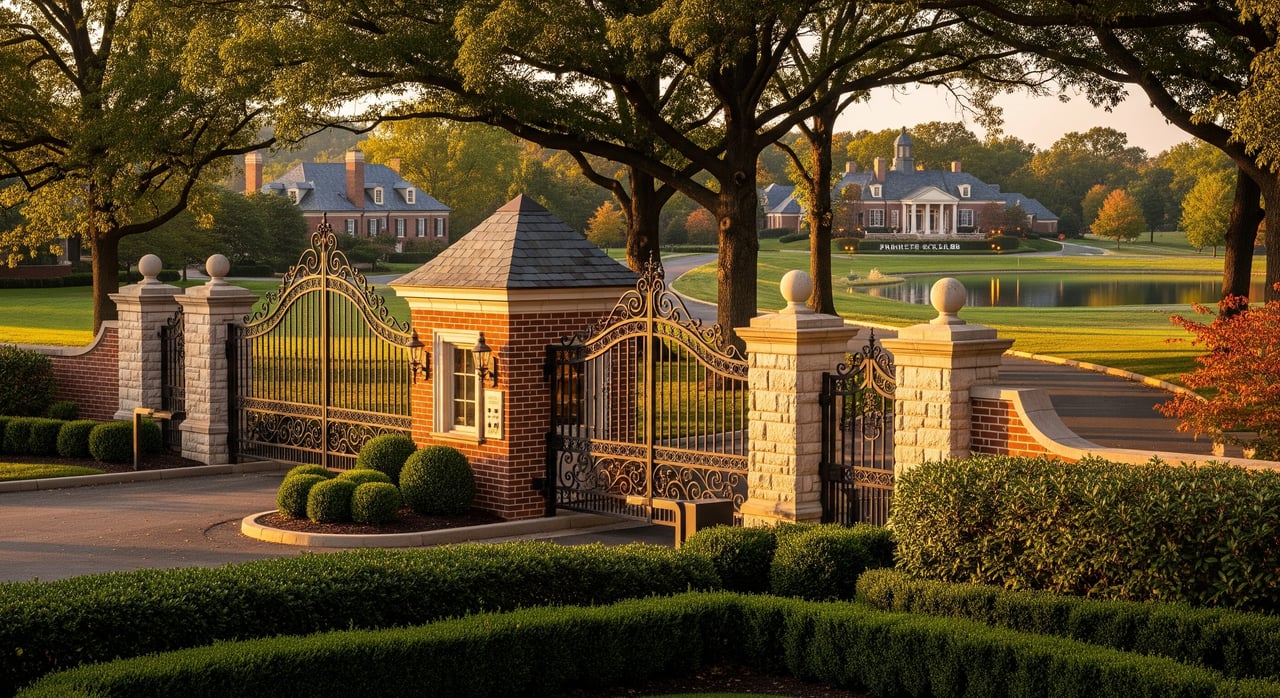
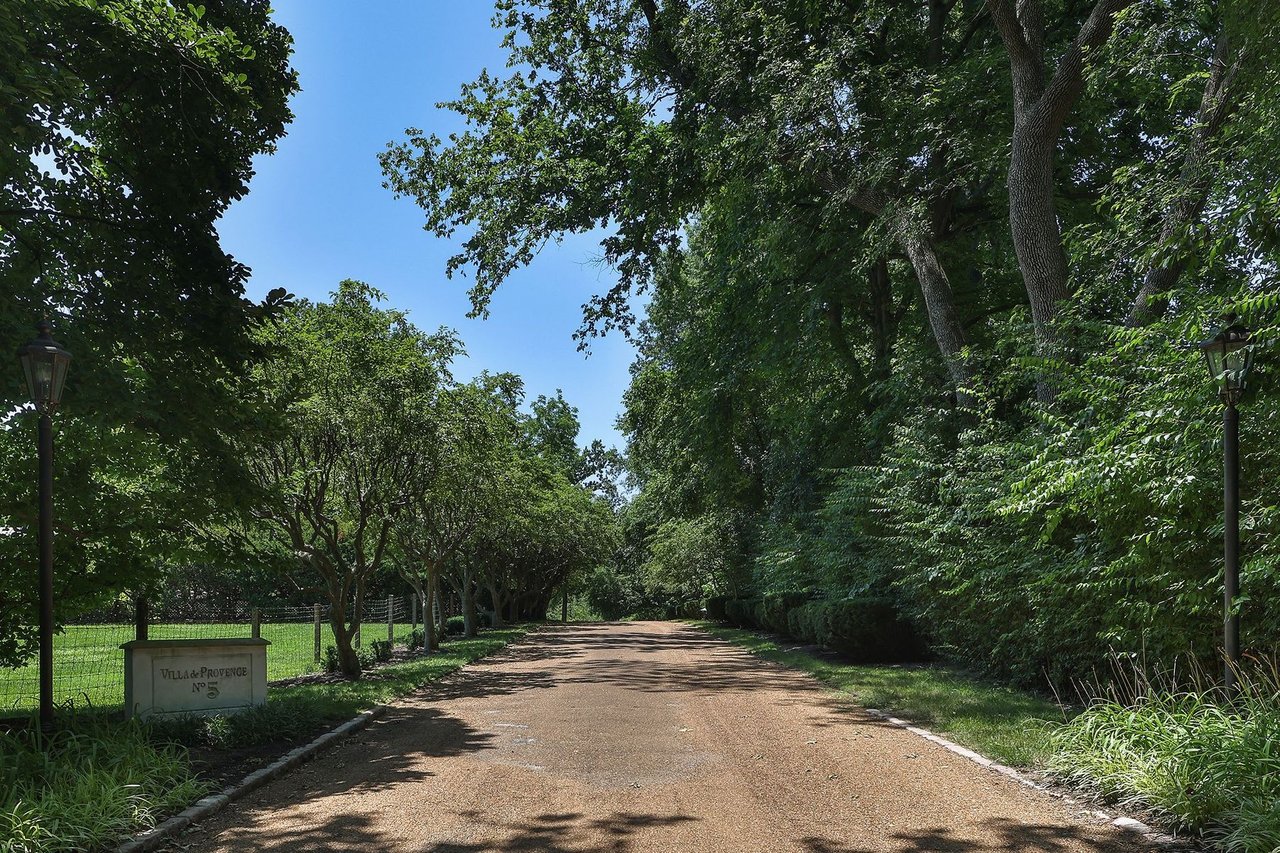
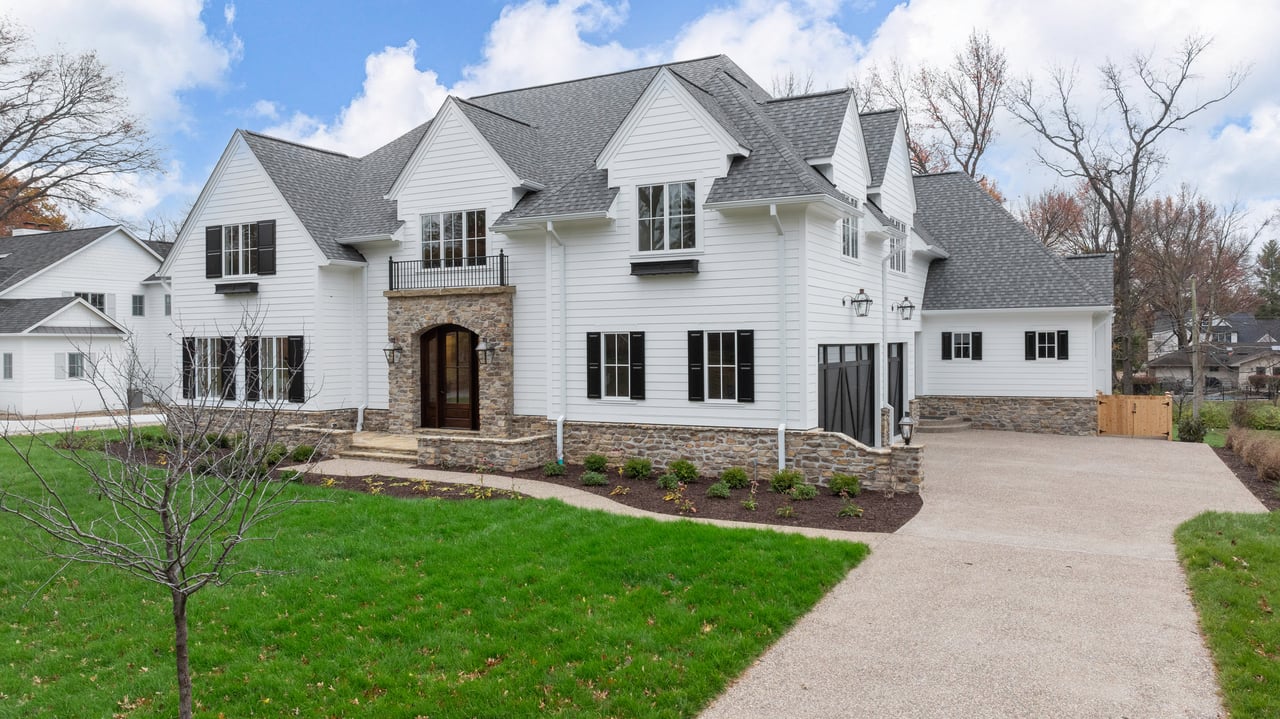
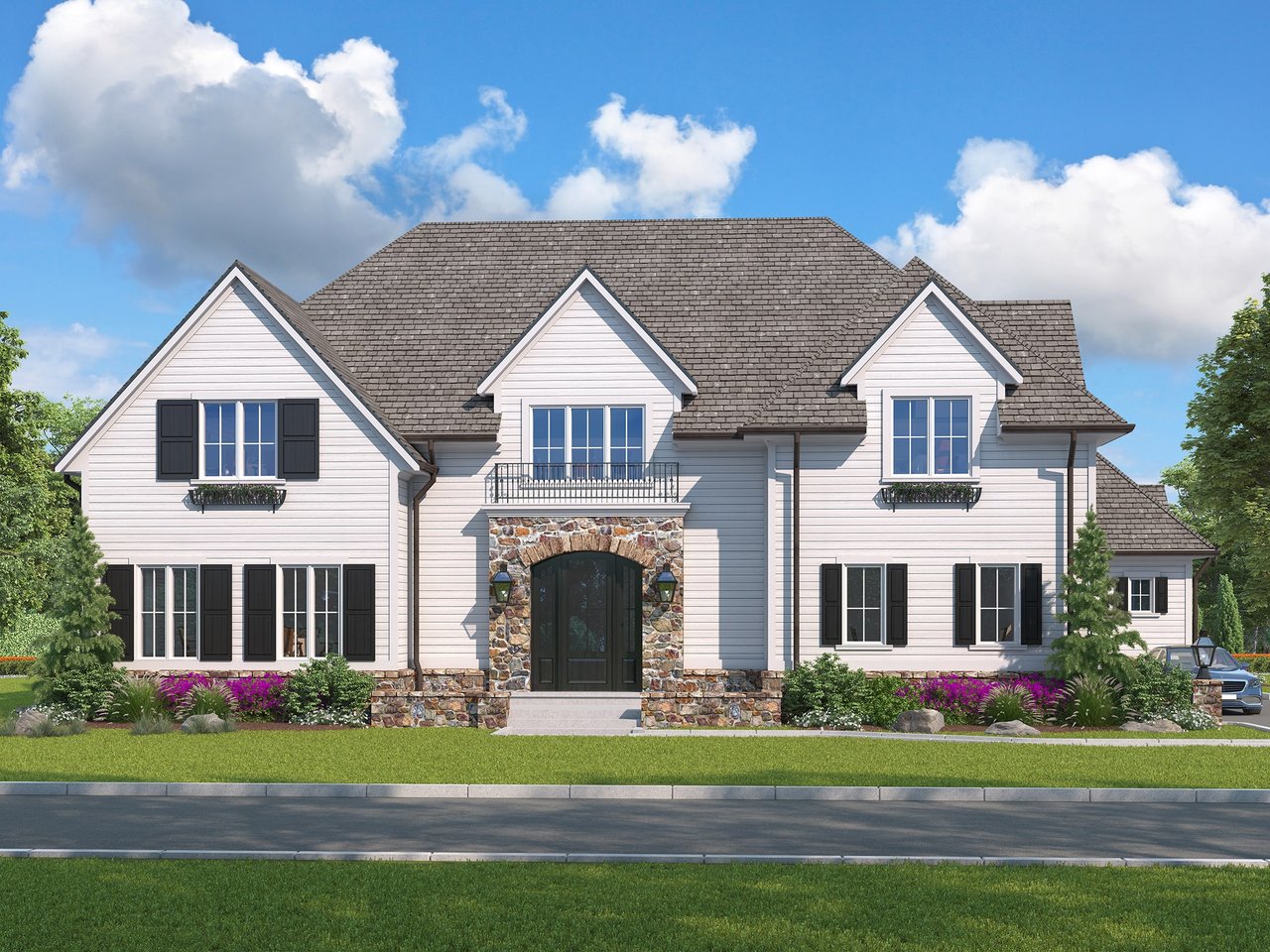
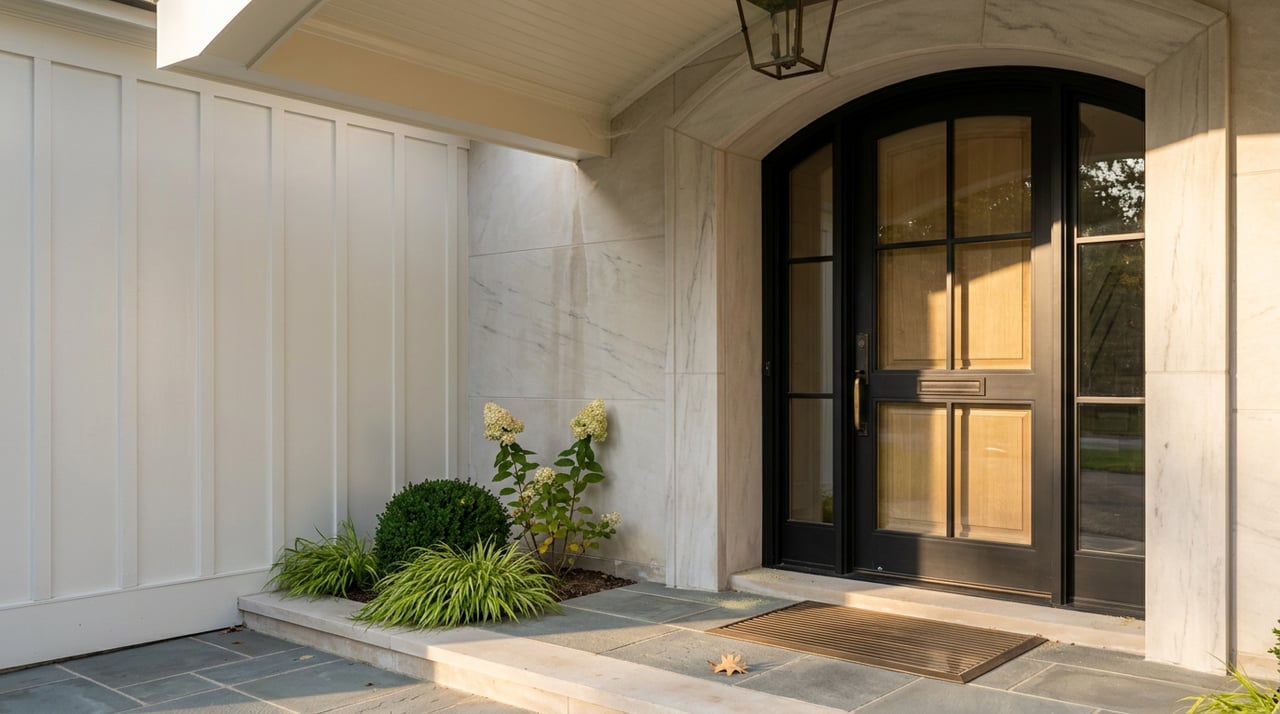
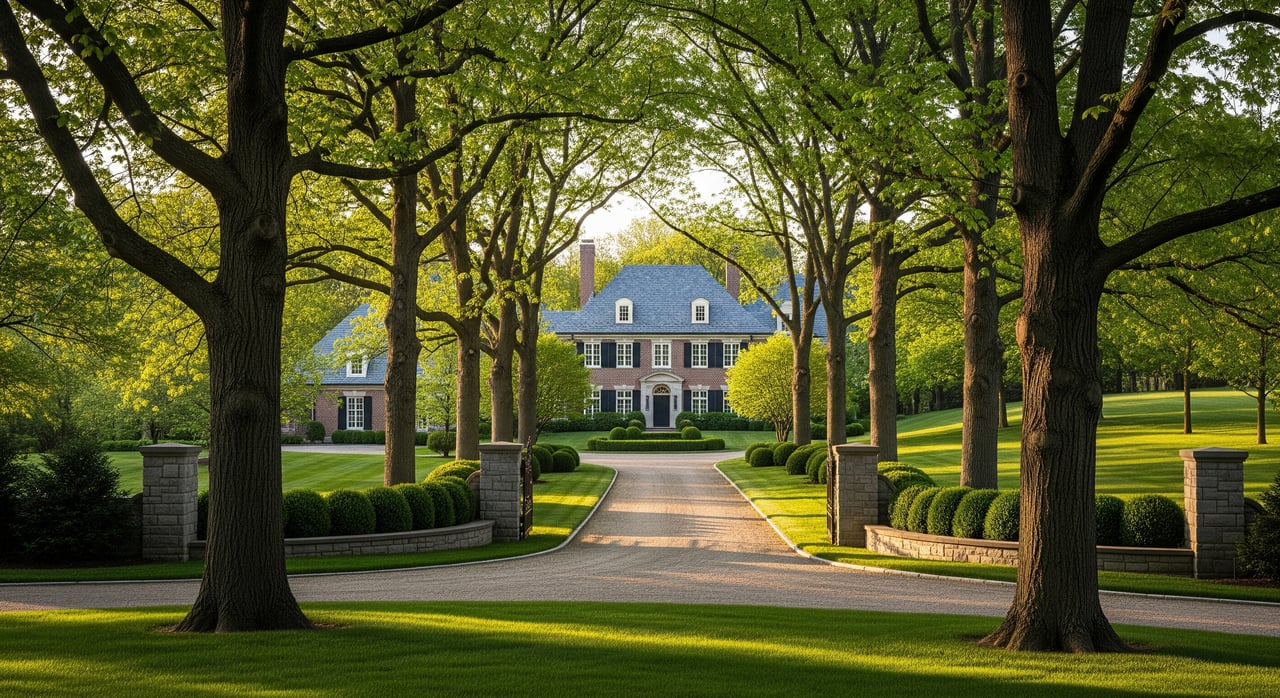
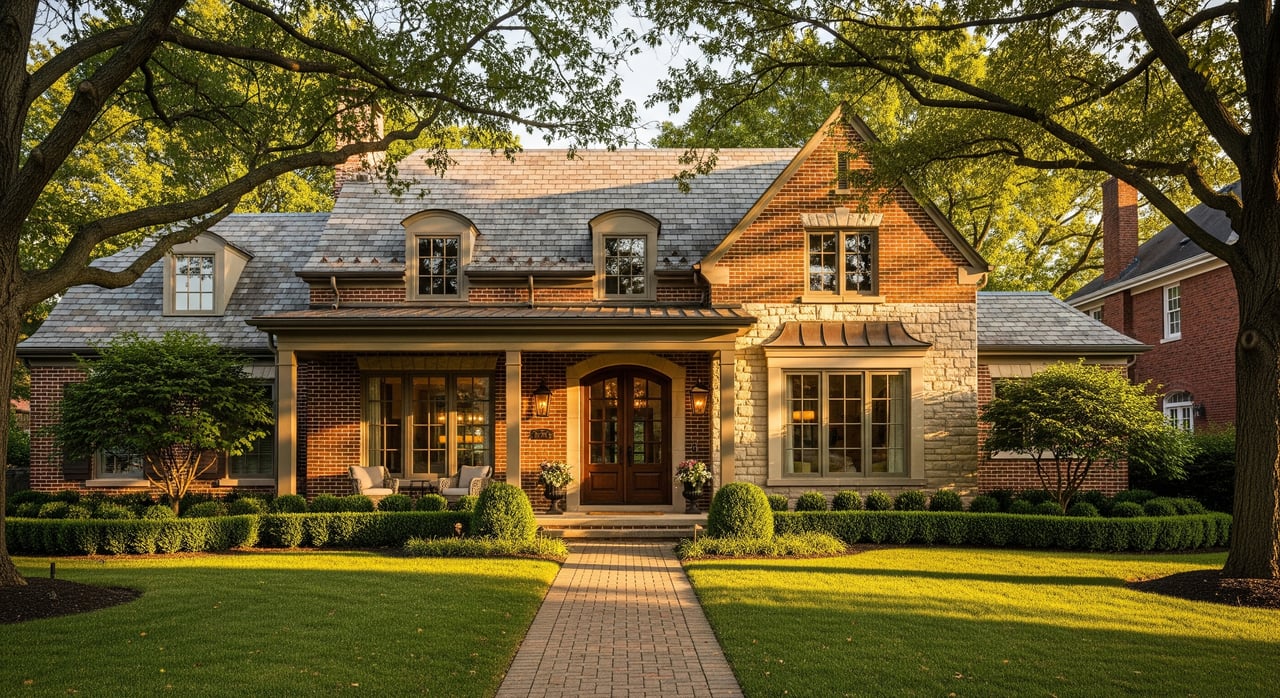
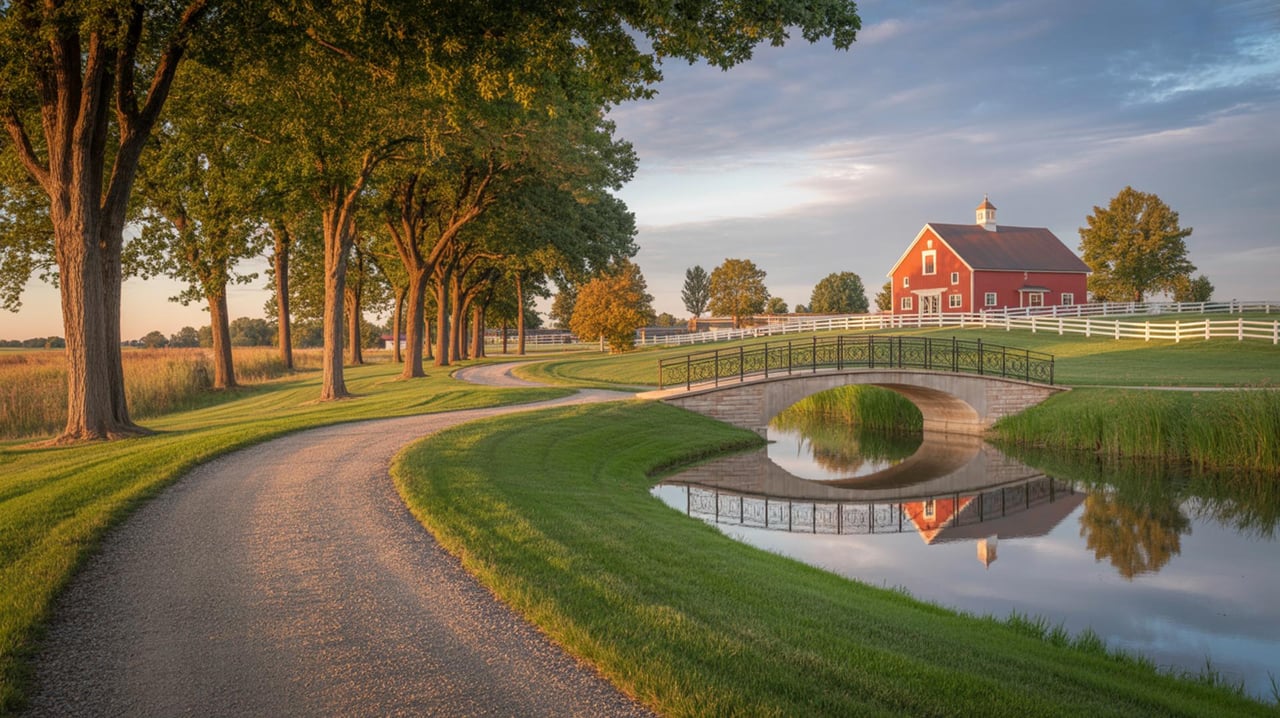
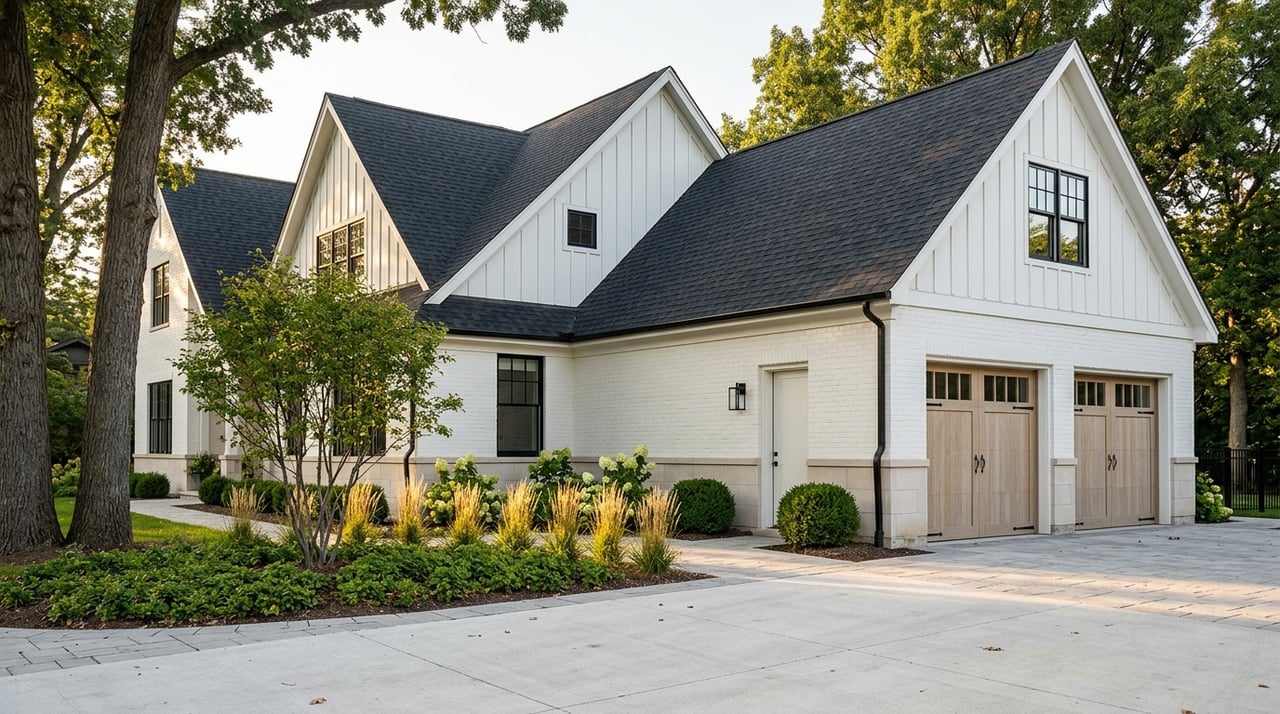
The city’s long-range planning documents describe Frontenac as a place defined by mature trees, high-value subdivisions, and large homes on quiet, wooded streets. That identity matters if you are looking for a setting that feels private and polished rather than dense or fast-moving.
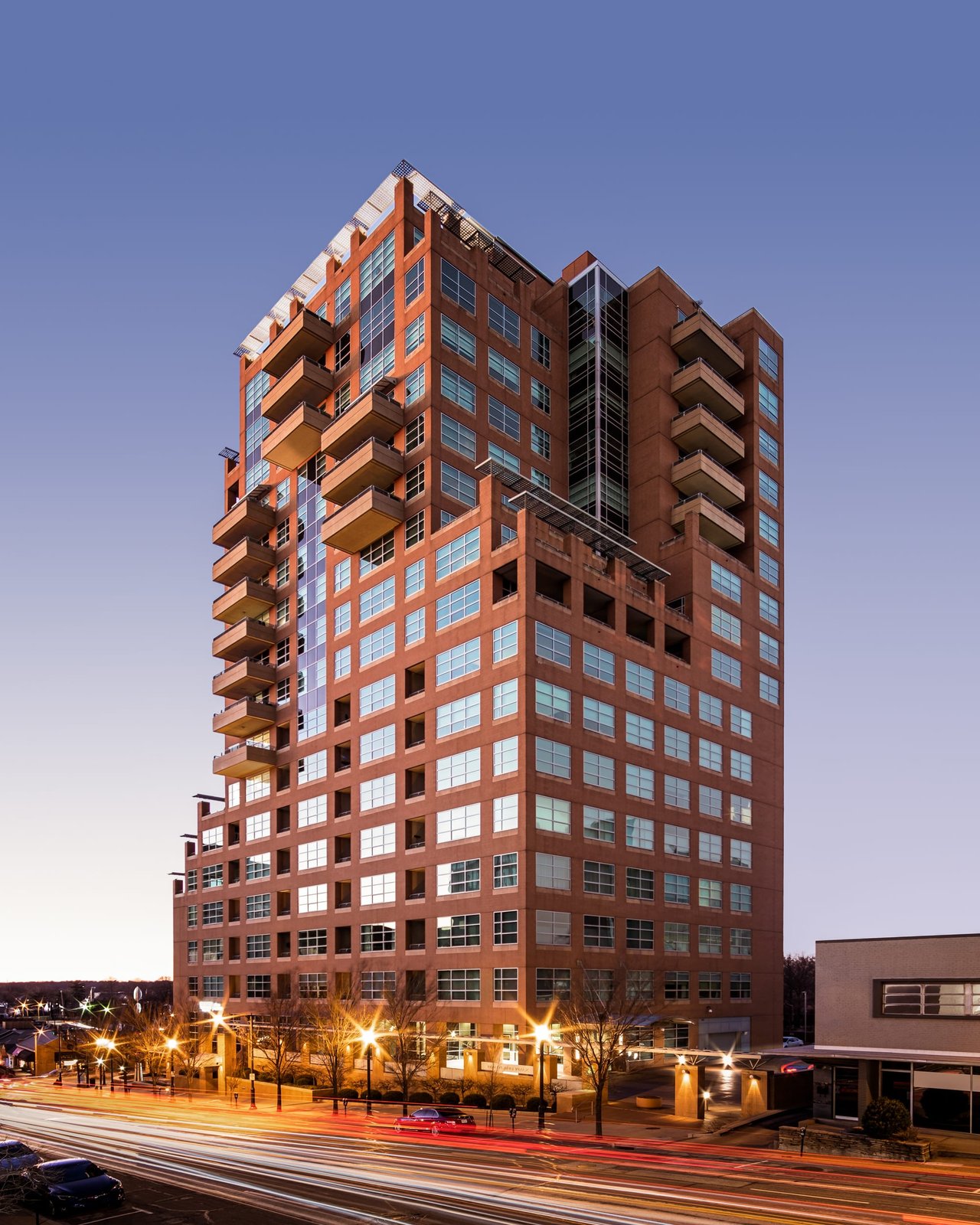
Frontenac also has a clear physical and visual split. On one side, you have a refined residential environment. On the other, you have a prominent commercial corridor near Lindbergh Boulevard and Interstate 64 that includes Plaza Frontenac, the Frontenac Hilton, and Le Chateau.
Plaza Frontenac as a Daily Luxury Amenity
Living near Plaza Frontenac means having a recognized luxury shopping and dining destination close at hand. The mall is located at 1701 South Lindbergh Boulevard, and its own materials position it as a high-end retail destination within the St. Louis area.
Official tenant listings include names such as Saks Fifth Avenue, Neiman Marcus, Tiffany & Co., Louis Vuitton, David Yurman, and Pottery Barn. For buyers who value convenience in everyday luxury, that kind of access is a meaningful part of the lifestyle.
Dining is another major advantage. Plaza Frontenac identifies Bricktop’s, Brio, Flower Child, and Mariposa as part of its dining mix, including options for outdoor dining and group dining. That gives the area more than a shopping function. It creates an easy, polished place to meet friends, run errands, or enjoy a meal without leaving the neighborhood.
What the Lifestyle Feels Like
The best way to think about Frontenac is as a privacy-first residential community with a luxury convenience hub at its edge. You are not choosing an urban, live-over-the-storefront setting here. You are choosing a suburban environment where homes and lots often take center stage, while shopping and dining stay easily accessible by car.
That distinction matters because it shapes your day-to-day experience. You may spend most of your time in a quiet subdivision or on a wooded residential street, then drive a short distance to dinner, shopping, or a hotel meeting along the Lindbergh corridor.
For many buyers, that balance is exactly the appeal. You get breathing room at home, but you are still connected to a regional destination that feels elevated and established.
Walkability in Frontenac
One of the most important things to understand is that Frontenac is not uniformly walkable. The city’s planning documents describe the street network as automobile-oriented, with limited biking and walking facilities.
Many subdivision streets are private cul-de-sacs, and the connections between residential areas and retail uses are often weak. In practical terms, that means your daily routine will likely depend on driving rather than walking from home to shops or restaurants.
The strongest pedestrian experience is concentrated around Plaza Frontenac itself and the Lindbergh frontage. The mall supports indoor circulation and even accommodates mall walkers, so there is some built-in comfort once you are there. But the broader city remains suburban and drive-based.
Getting Around the Region
While Frontenac is not broadly walkable, it is well positioned for regional car access. The city is bisected by Interstate 64 and has access points at Lindbergh Boulevard and Spoede Road, which makes it relatively easy to move across the central St. Louis corridor.
That access can be a major plus if your routine includes commuting, dining in nearby communities, or reaching medical, business, and cultural destinations throughout the region. You can enjoy a residential setting without giving up connectivity.
For many buyers in the luxury market, this kind of access supports both convenience and discretion. You can come and go efficiently while still returning to a quieter home environment.
Parking and Everyday Convenience
Plaza Frontenac is designed with drivers in mind. According to the mall, most parking is free, with a smaller preferred paid section.
That setup tends to support quick errands as well as longer visits for shopping or dining. The mall also offers public safety escorts, which adds another layer of convenience for some visitors.
There are a few details worth knowing if you are comparing lifestyle options. The mall states that it does not offer valet, EV charging, bike racks, designated rideshare pick-up and drop-off, or curbside pickup. So while the experience is convenient, it is still best understood as a traditional car-oriented luxury center rather than a fully multimodal one.
The Residential Character Near the Plaza
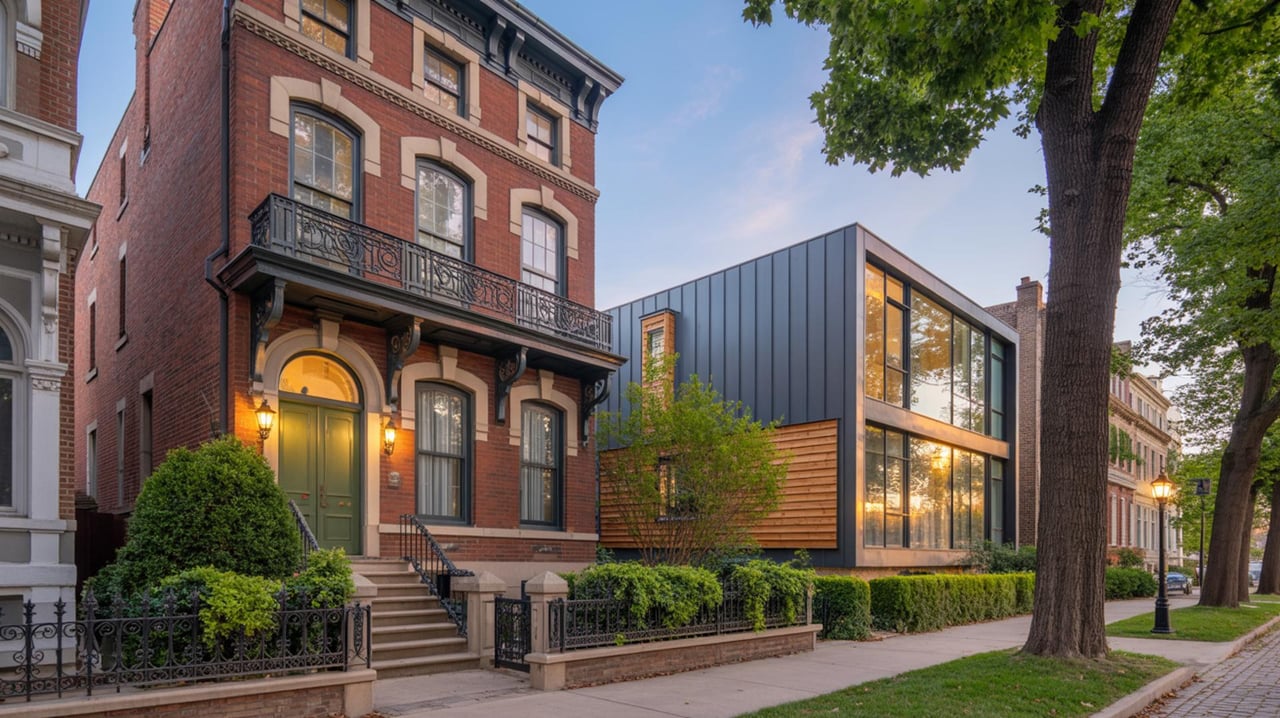
Buyers are often drawn to Frontenac because the residential setting feels established and protected. The city’s 2050 plan emphasizes preserving residential subdivisions from commercial encroachment and encouraging context-sensitive development that maintains neighborhood character.
That planning posture can be reassuring if you value stability in the look and feel of the area. It signals that Frontenac is thinking carefully about how commercial activity and residential life fit together.
The city’s history also adds perspective. Planning documents note that Frontenac began as a single 26-lot subdivision in 1928, and the area’s evolution still reflects that estate-style, subdivision-based pattern today.
What Buyers Should Consider
If you are considering living near Plaza Frontenac, it helps to be clear about what you want most from a neighborhood. Frontenac tends to appeal to buyers who prioritize space, privacy, mature landscaping, and quick access to refined amenities.
It may be especially attractive if you prefer a home-centered lifestyle rather than a fully walkable district. You can enjoy high-end shopping and dining nearby, but your home life will likely feel separate from the commercial corridor.
A few key questions to ask yourself include:
- Do you want estate-style residential surroundings with a quiet, wooded feel?
- Is easy car access more important to you than neighborhood-wide walkability?
- Would being close to Plaza Frontenac’s retail and dining mix improve your daily routine?
- Are you looking for an established municipality with a strong focus on preserving neighborhood character?
School District Context
For buyers who are reviewing school district boundaries as part of their home search, Frontenac is included in the Ladue School District boundary map. That is an important point of local context when comparing municipalities in this part of St. Louis County.
The city’s planning documents also discuss goals like safer walk and bike routes to schools and improved sidewalk connectivity. That does not change the area’s current car-oriented character, but it does show ongoing attention to how residents move through the community.
Why the Plaza Area Matters Long Term
Plaza Frontenac is more than a mall. In the city’s own planning framework, the commercial district is treated as part of Frontenac’s core identity and a premier shopping, dining, and entertainment destination.
The same planning documents call for a central gathering place and greenspace within the business district. That suggests the area remains important not only as a luxury retail node, but also as a focal point for future refinement.
For homeowners, that matters because it reinforces the long-term importance of the Plaza corridor to Frontenac’s identity. It is not incidental to the city. It is one of the defining features that helps shape how the community is understood across the region.
Is Frontenac Right for You?
If your ideal St. Louis lifestyle includes a polished home environment, generous residential lots, and close proximity to luxury shopping and dining, Frontenac offers a compelling combination. It is especially well suited to buyers who want convenience without sacrificing privacy.
The key is understanding the tradeoff clearly. Frontenac delivers strong regional access and a concentrated luxury amenity hub, but it does so in a suburban, car-oriented setting rather than a fully walkable one.
For the right buyer, that is not a drawback. It is the reason the area continues to stand apart.
If you are exploring Frontenac or preparing to buy or sell in the central St. Louis corridor, Aimee Simpson offers discreet, white-glove guidance grounded in deep local market knowledge.
FAQs
How walkable is living near Plaza Frontenac in Frontenac?
- Frontenac is generally car-oriented, with limited biking and walking facilities across the broader city, while the strongest pedestrian experience is concentrated around Plaza Frontenac itself.
What kind of homes define Frontenac residential living?
- Frontenac is known for mature trees, high-value subdivisions, and large homes on quiet, wooded streets, according to the city’s planning documents.
What shopping is available at Plaza Frontenac?
- Official tenant listings include Saks Fifth Avenue, Neiman Marcus, Tiffany & Co., Louis Vuitton, David Yurman, and Pottery Barn.
What dining options are at Plaza Frontenac?
- The mall identifies Bricktop’s, Brio, Flower Child, and Mariposa as part of its dining mix, including outdoor dining and group dining options.
Is parking easy at Plaza Frontenac?
- Yes, the mall says a majority of parking is free, with a smaller preferred paid section.
What school district serves Frontenac, Missouri?
- Frontenac is included in the Ladue School District boundary map.