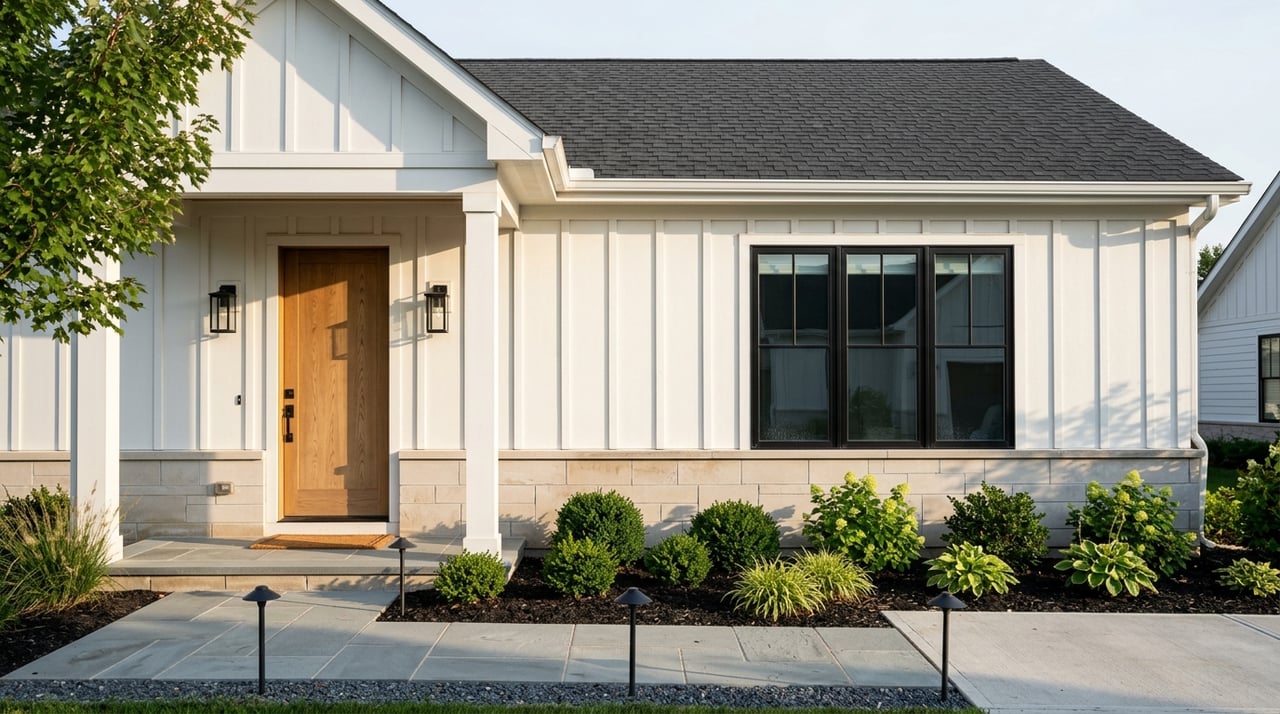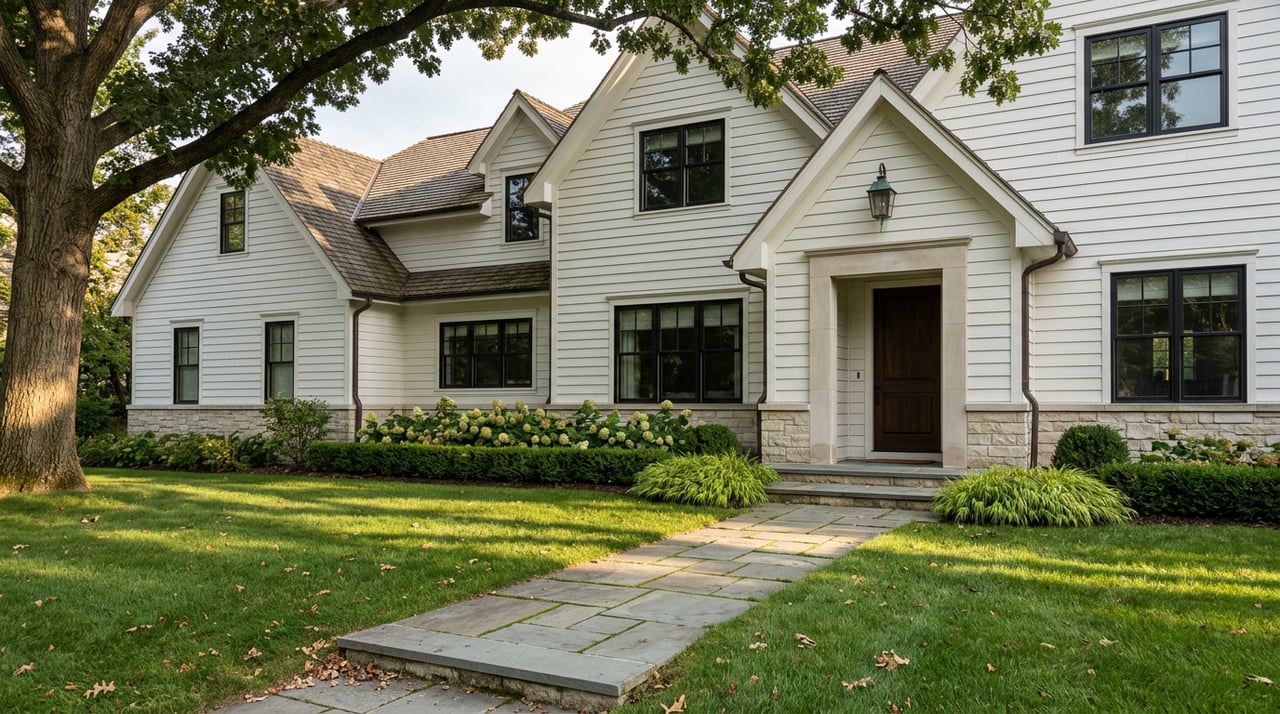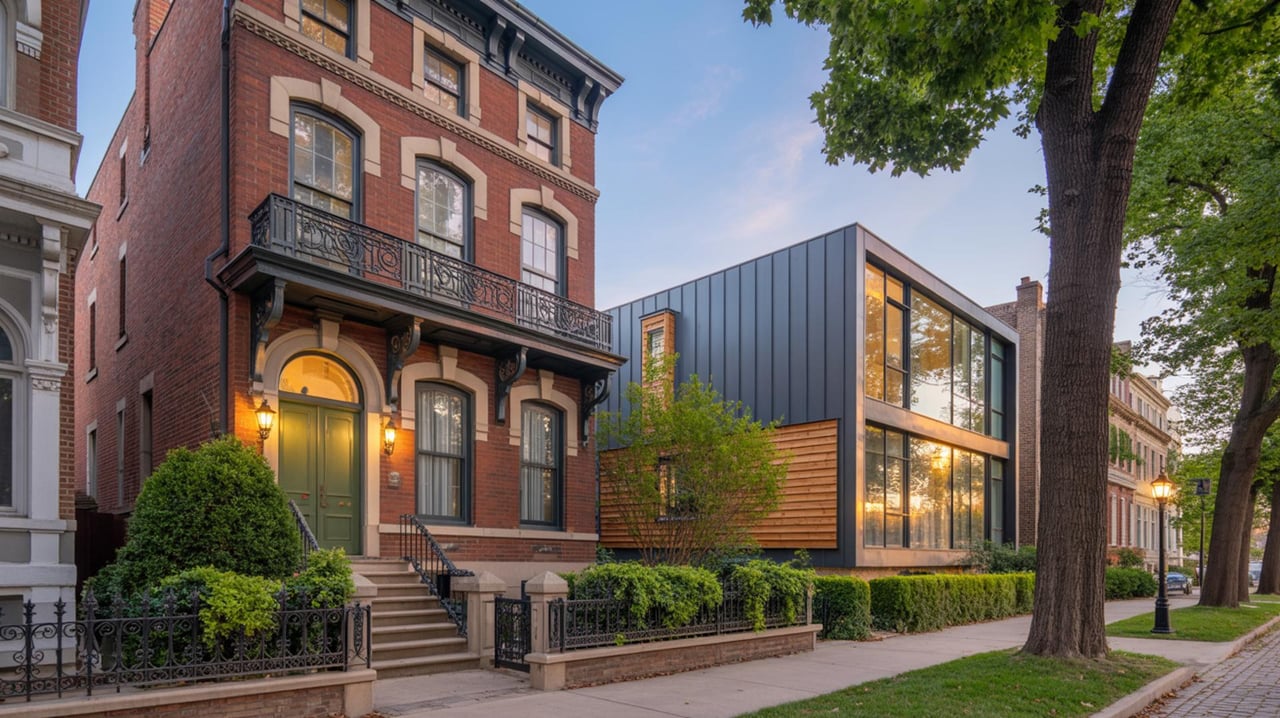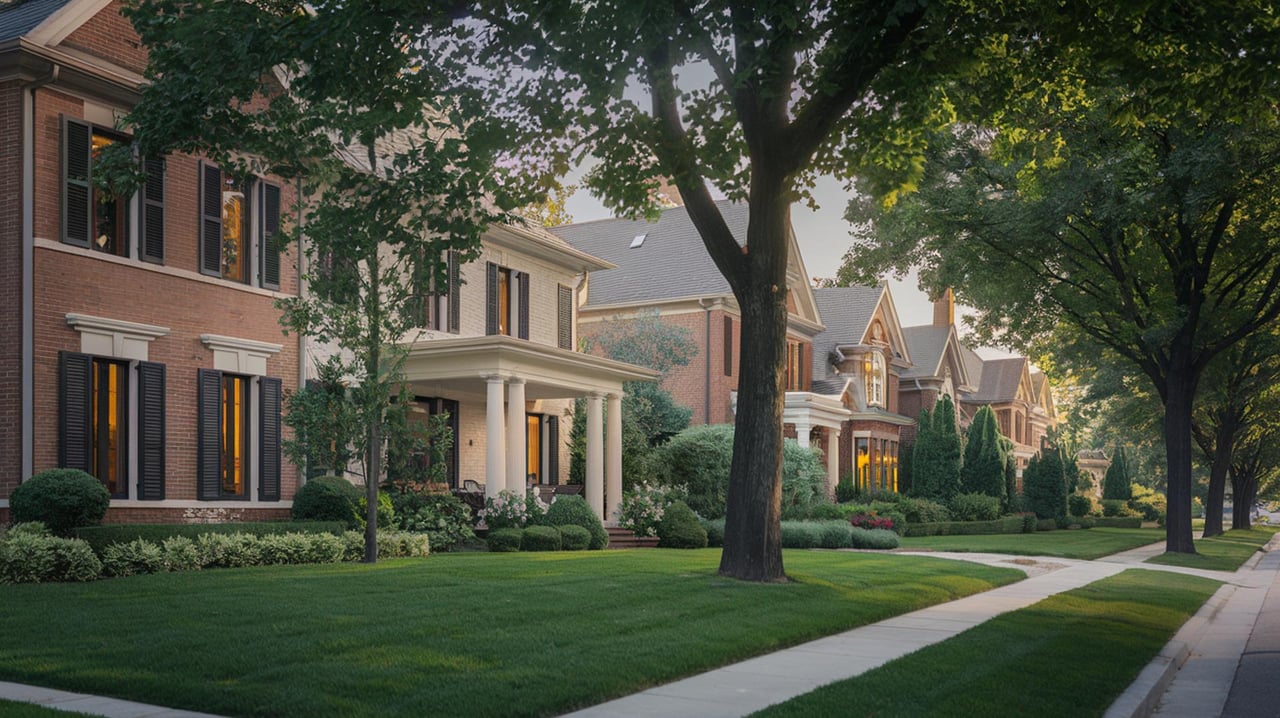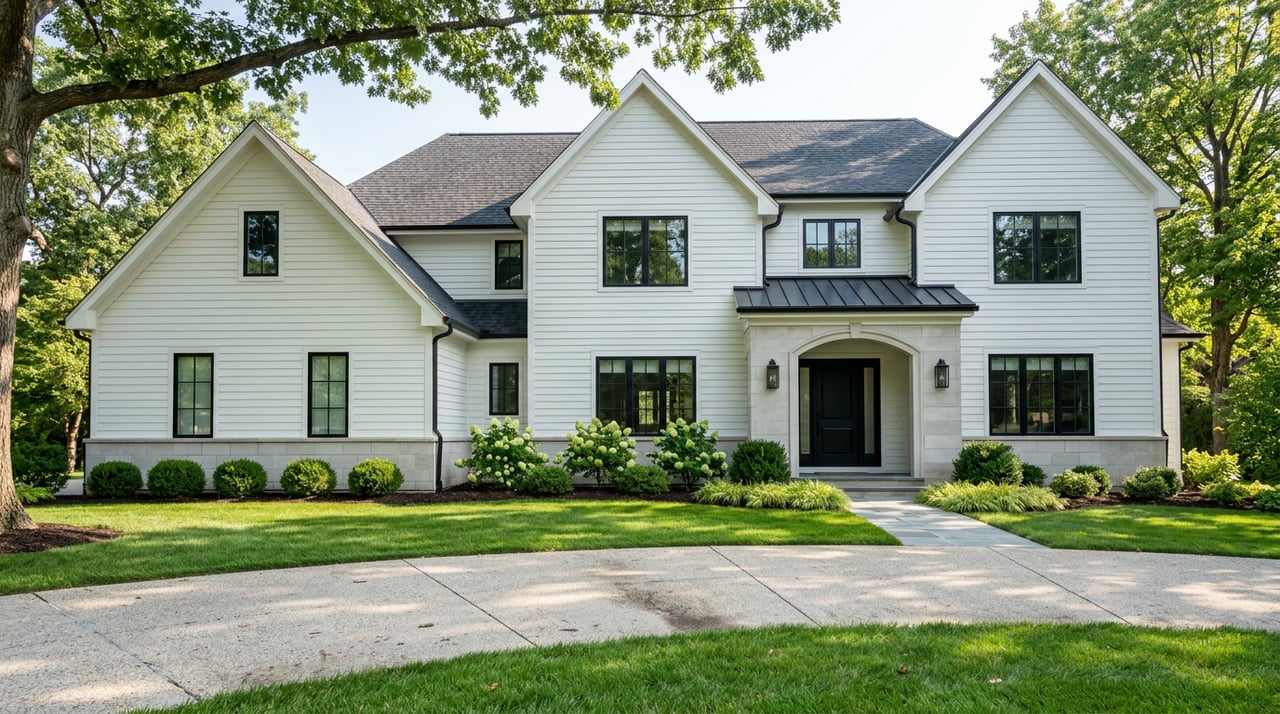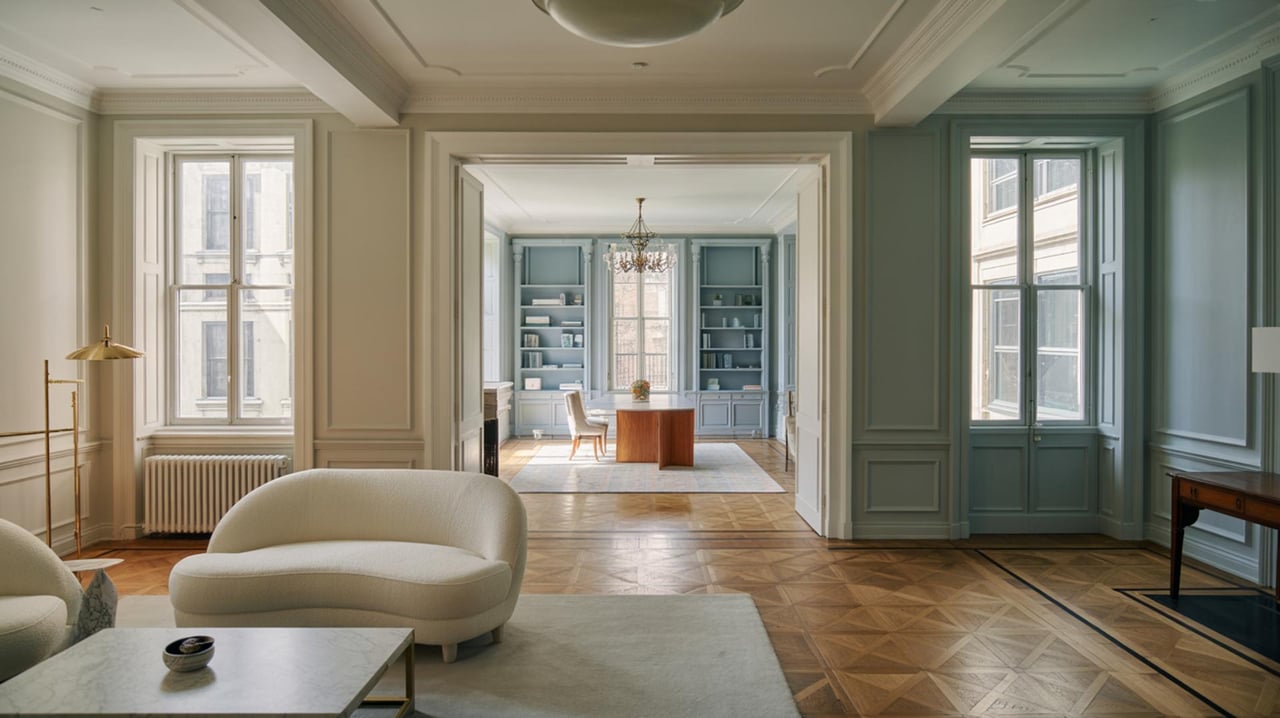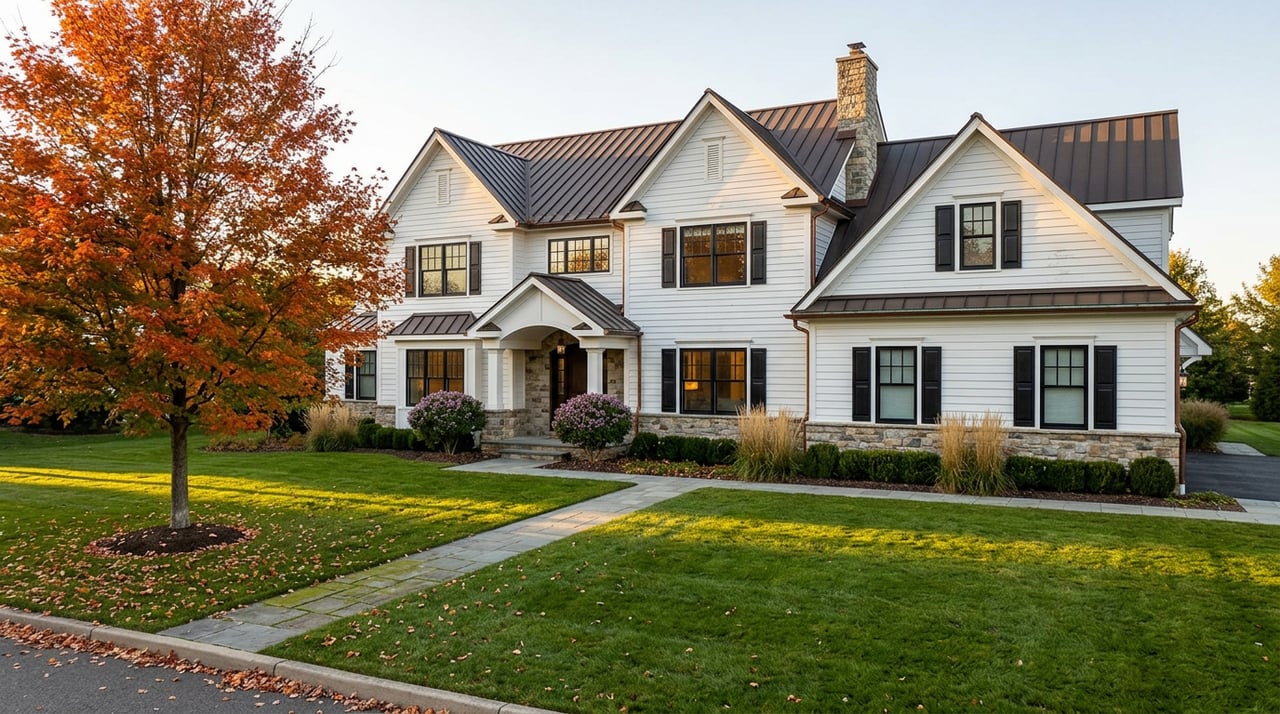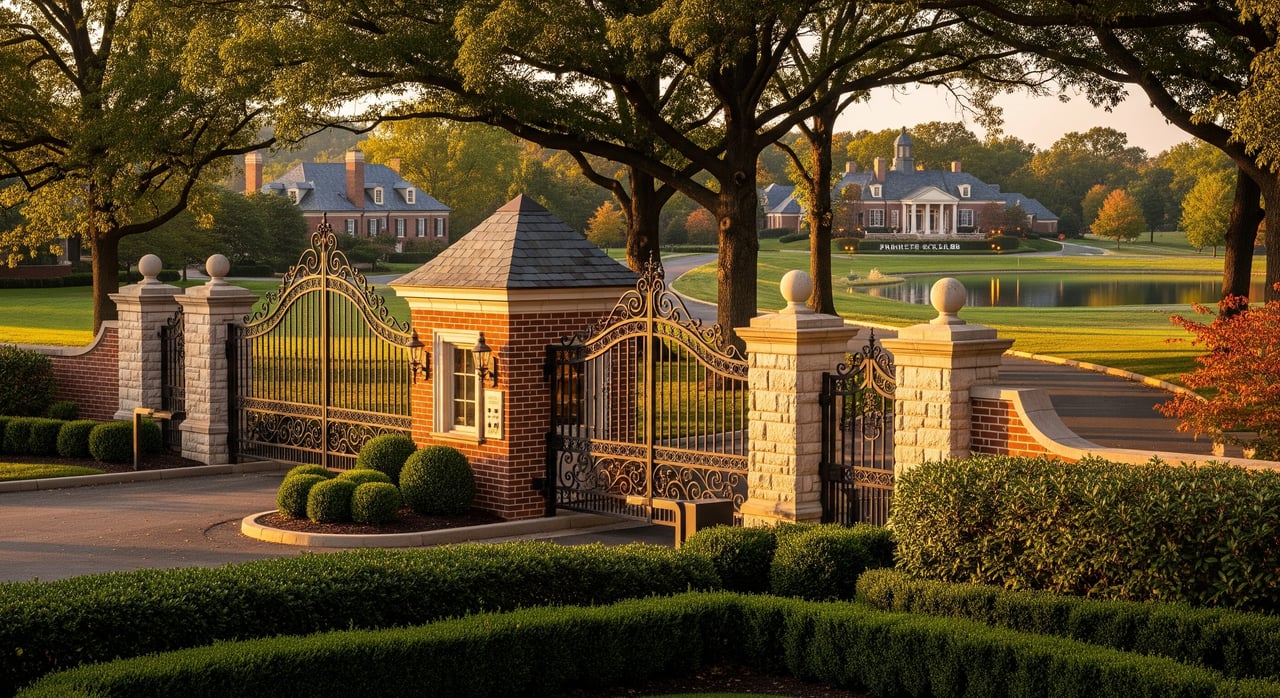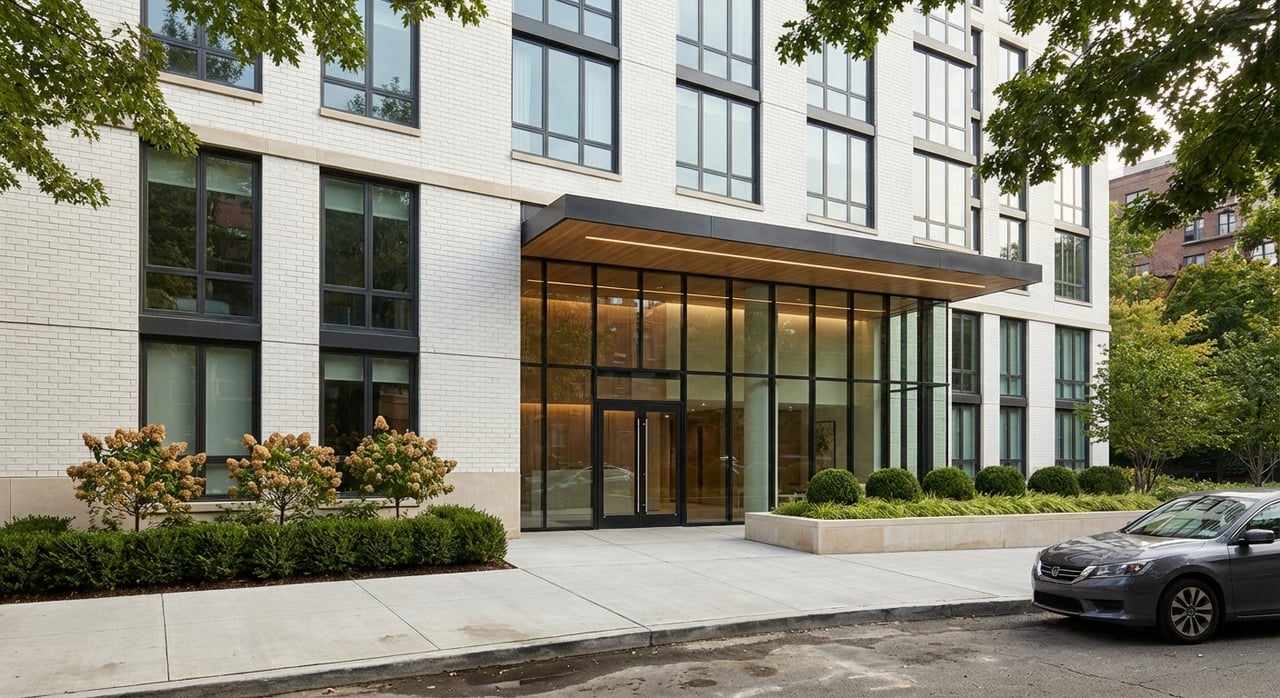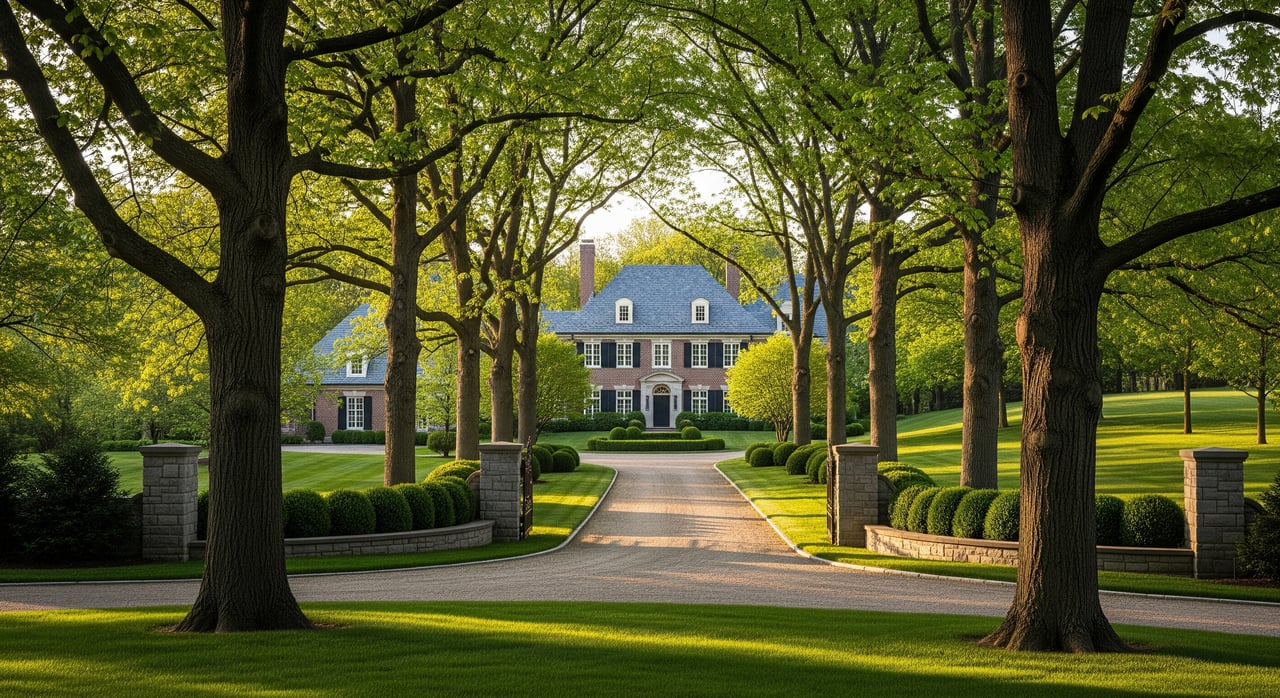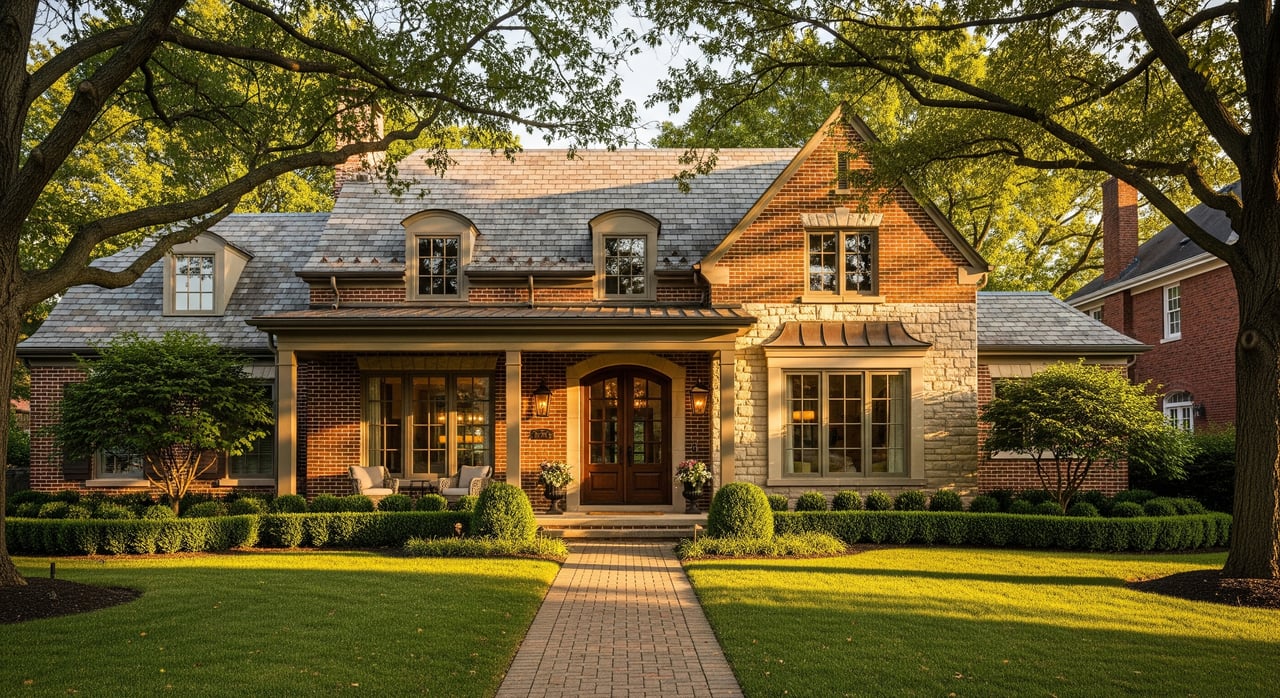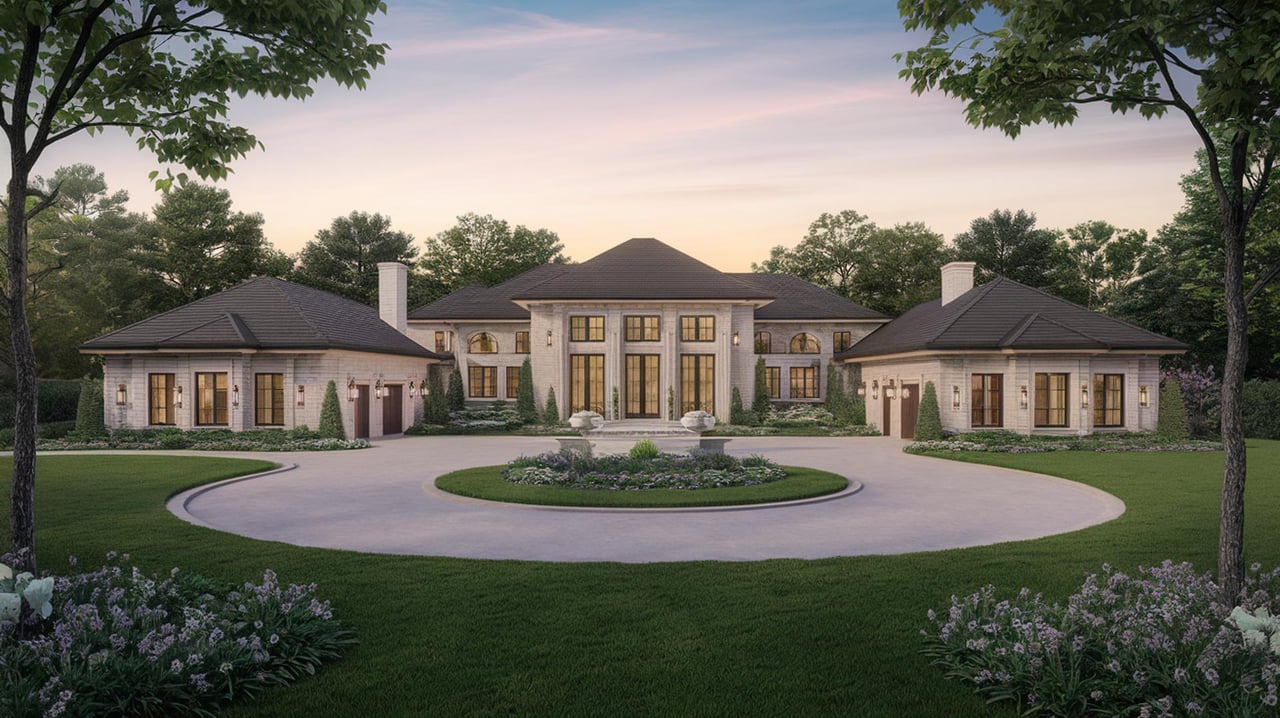
Wondering whether downsizing from an estate property means giving up the lifestyle you love? If you live in Huntleigh, Des Peres, or nearby Kirkwood, the answer is not simply yes or no. The real decision is usually about how much land, upkeep, privacy, and convenience you want in your next chapter. This guide will help you compare those tradeoffs clearly so you can make a thoughtful move with confidence. Let’s dive in.
Why downsizing here is different
Downsizing from an estate in this part of St. Louis is rarely just about moving into a smaller house. In many cases, you are also deciding whether to leave behind acreage, formal grounds, long driveways, and the maintenance that comes with them. That makes the next move as much a lifestyle decision as a real estate one.
For many homeowners, the goal is better described as rightsizing. You may want less exterior work, fewer unused rooms, and a layout that feels easier to live in, while still keeping privacy, quality, and a strong sense of place. Huntleigh, Des Peres, and Kirkwood each offer a very different version of that next step.
Huntleigh keeps the estate feel
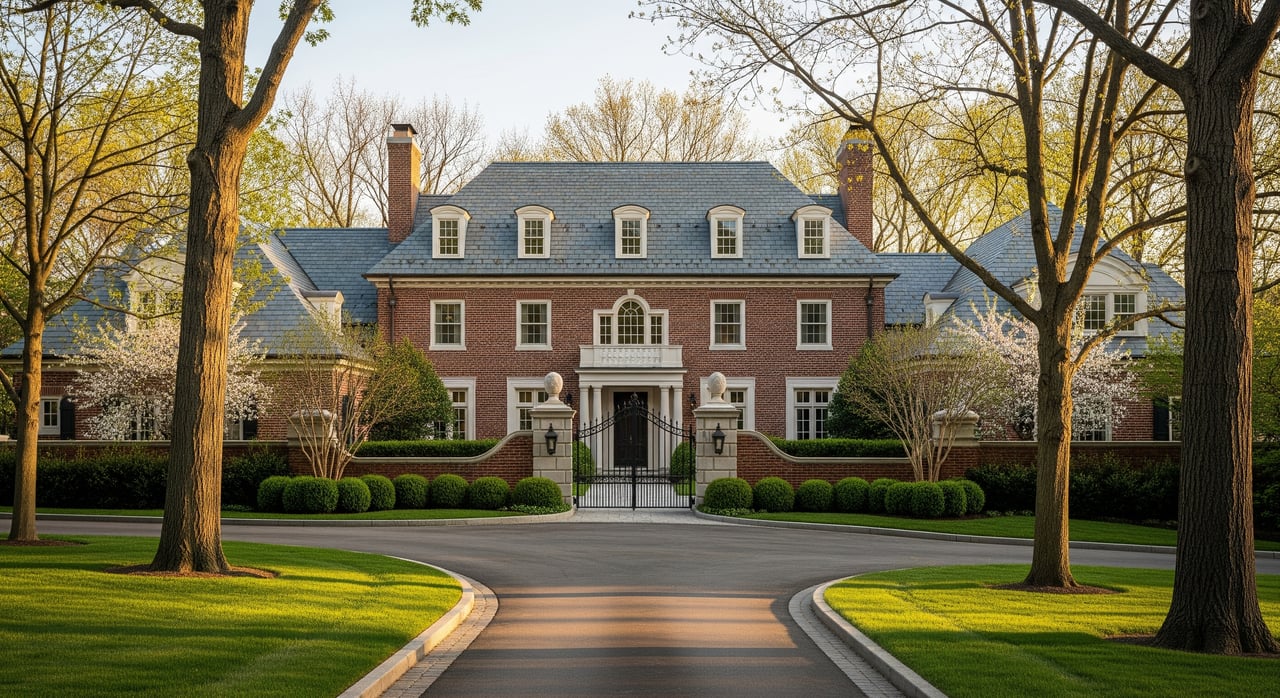
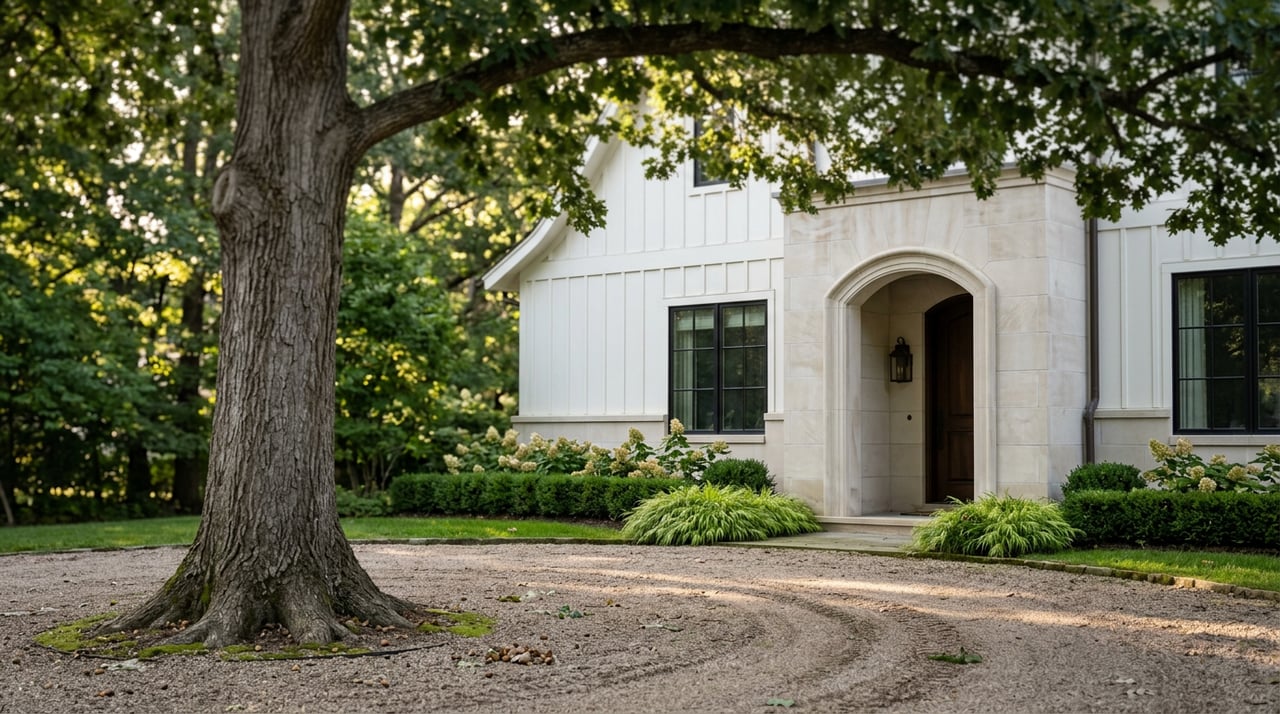
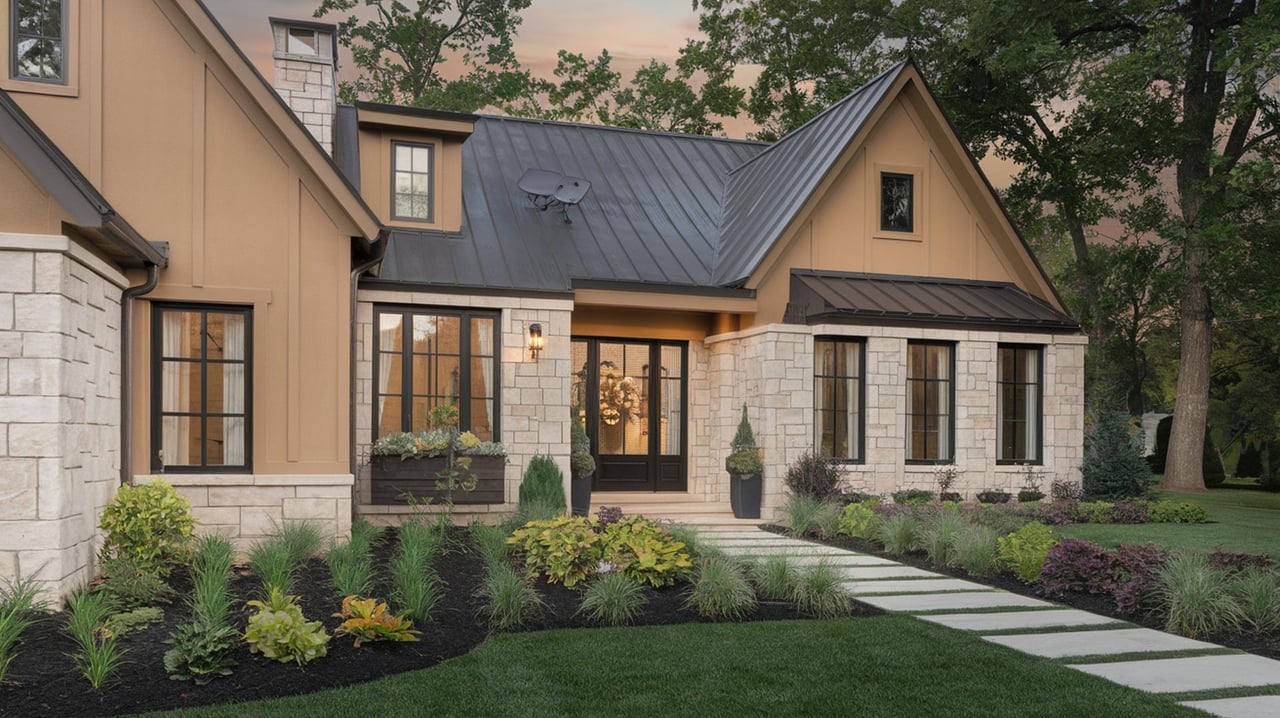
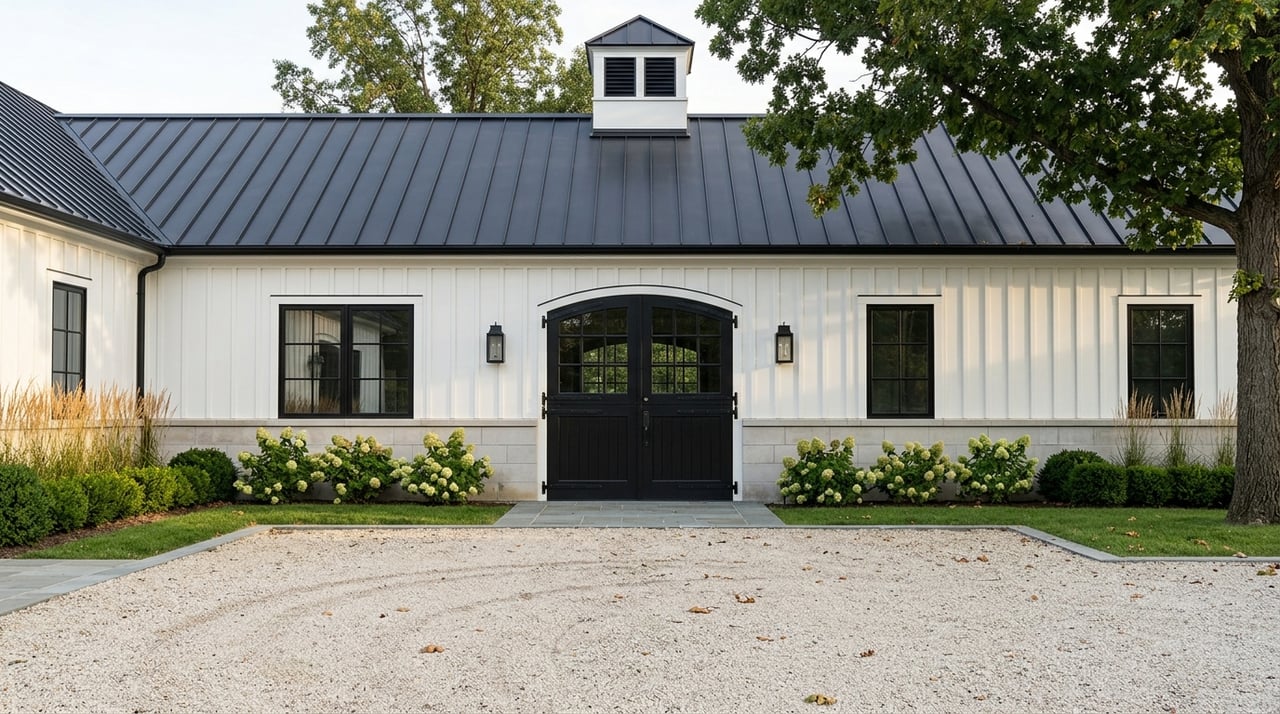
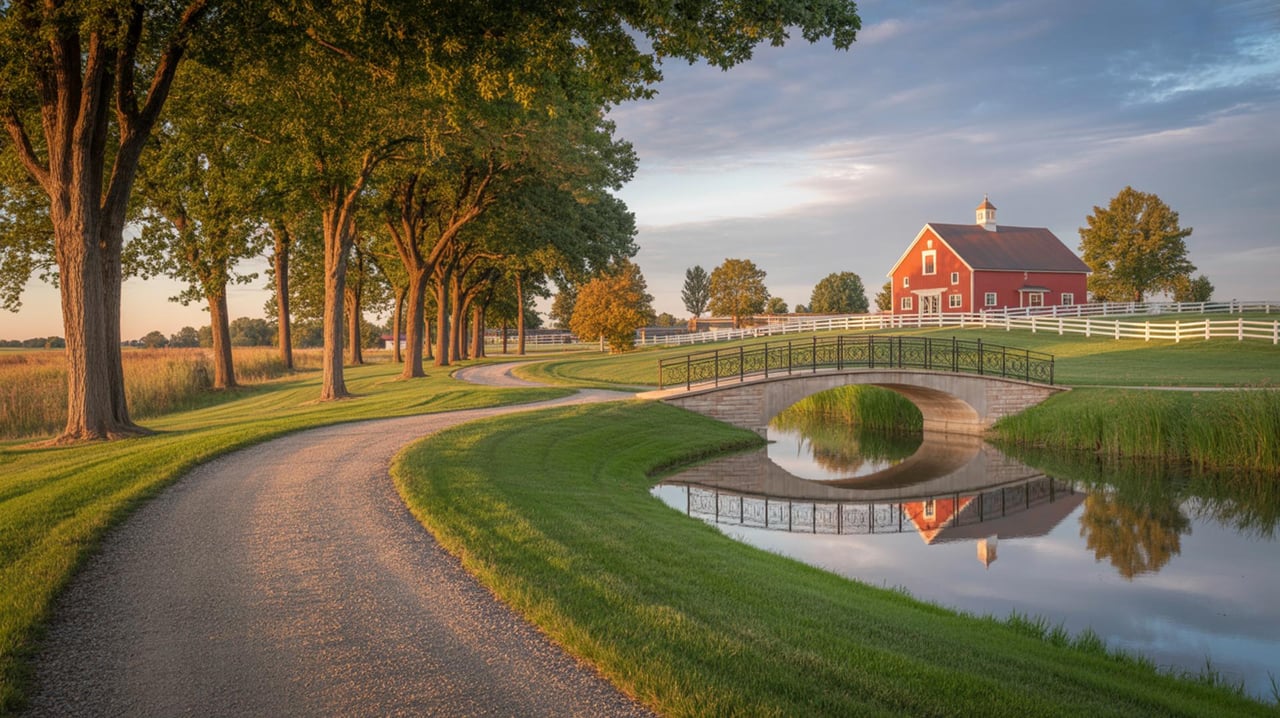
If you want to preserve an estate setting, Huntleigh remains the strongest fit of the three. The city describes itself as entirely residential, with no commercial or industrial development, about 104 homes, and roughly 750 acres. That low-density pattern is a major reason Huntleigh feels so private and distinct.
Its zoning reinforces that character. In Huntleigh’s A district, the minimum is 2 acres per family, and in the B district, the minimum is 3 acres per family. The code also requires at least 2,500 square feet of dwelling space, along with 75-foot front setbacks and 50-foot side and rear setbacks.
That means a true downsizing move within Huntleigh can be challenging if your goal is a much smaller lot and less maintenance. You can reduce some square footage or simplify the home itself, but the land expectations often remain substantial. For many owners, Huntleigh works best if you still want privacy, grounds, and a traditional estate environment more than a lighter day-to-day footprint.
Another important point is that Huntleigh uses subdivision-specific rules and indentures. If you are considering a purchase, renovation, or build, those details matter. The city advises buyers to verify subdivision indentures with trustees before making plans.
Des Peres offers flexibility
Des Peres is often the middle-ground option for estate owners who want to stay in a prestigious west-county setting but reduce upkeep. The city’s residential development pattern includes both older, smaller original lots and larger established homesites. It also notes that more than 25 percent of housing units were built since 1980, with ongoing redevelopment in some areas.
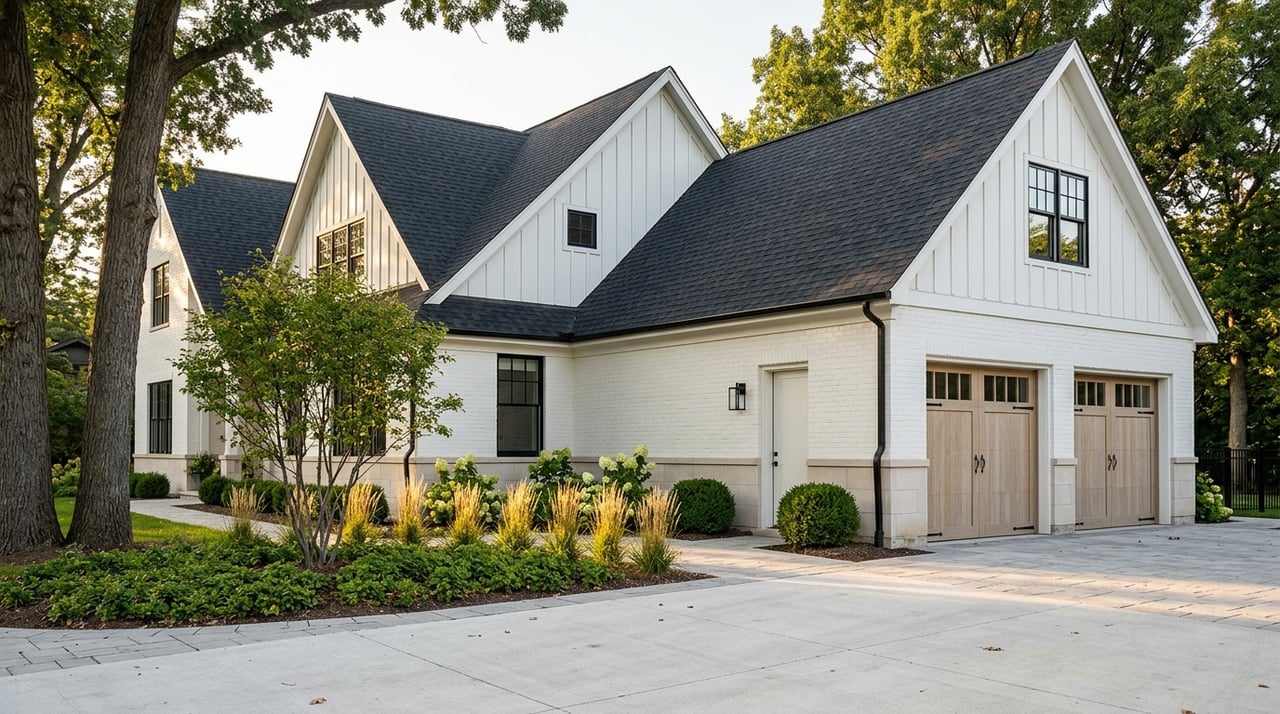
That variety matters when you are planning a move. Des Peres zoning ranges from larger districts with 43,000-square-foot lots to smaller districts with 15,000-square-foot, 10,000-square-foot, and 9,000-square-foot lots. In practical terms, that gives you more ways to scale down without leaving the area entirely.
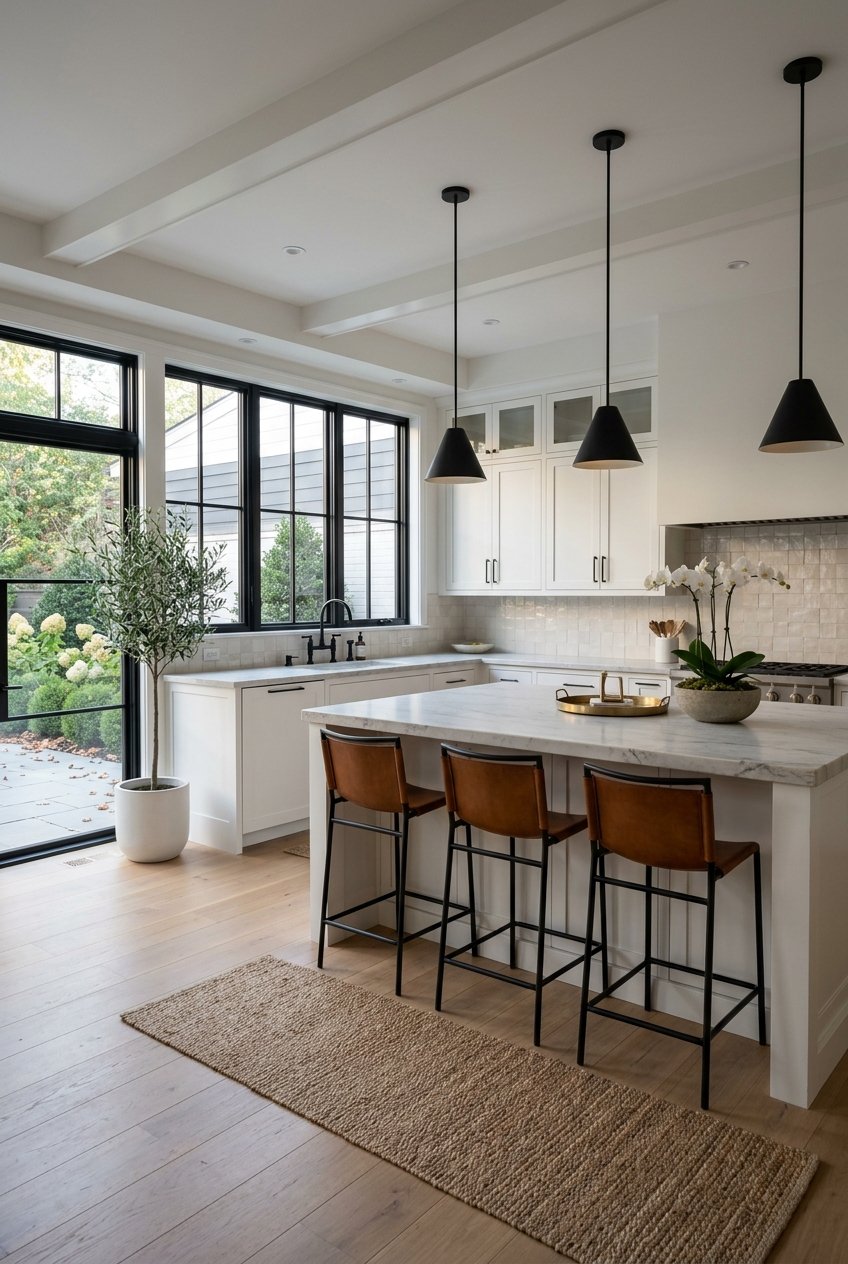
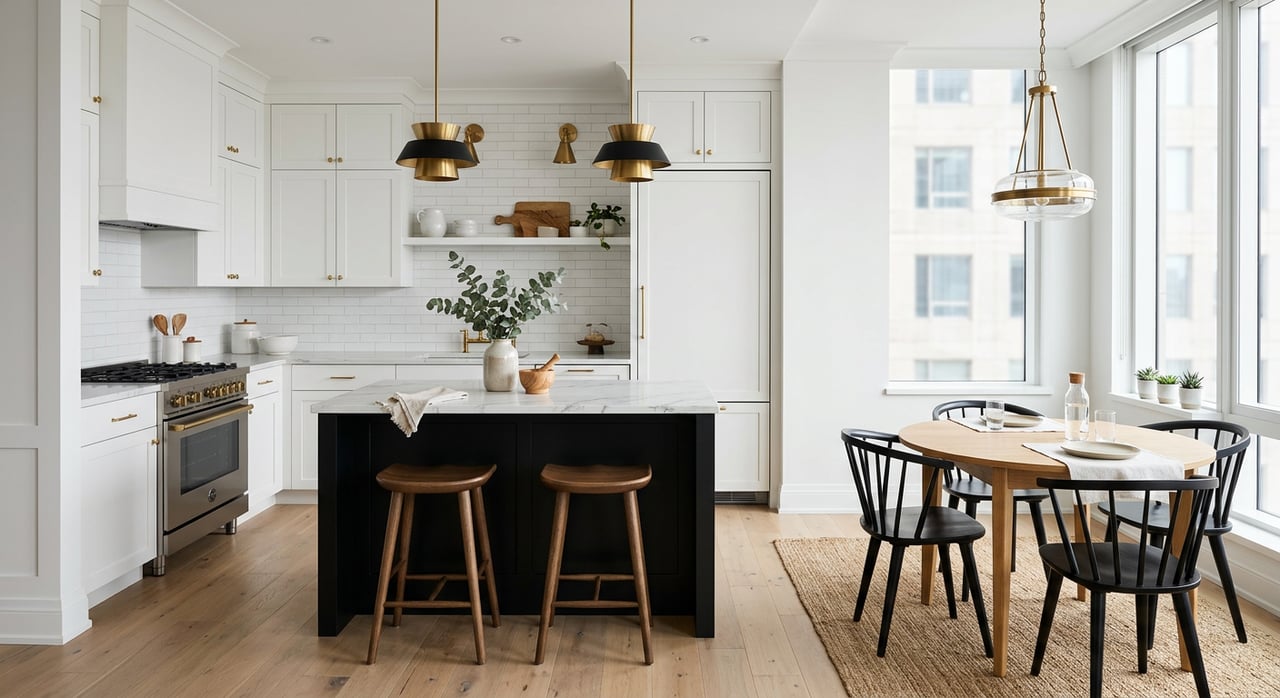
For some sellers, this is the sweet spot. You can move from a large estate into a home with a smaller yard, potentially newer construction, and lower exterior maintenance, while still staying in a familiar part of the market. That can be especially appealing if you want convenience without a dramatic lifestyle shift.
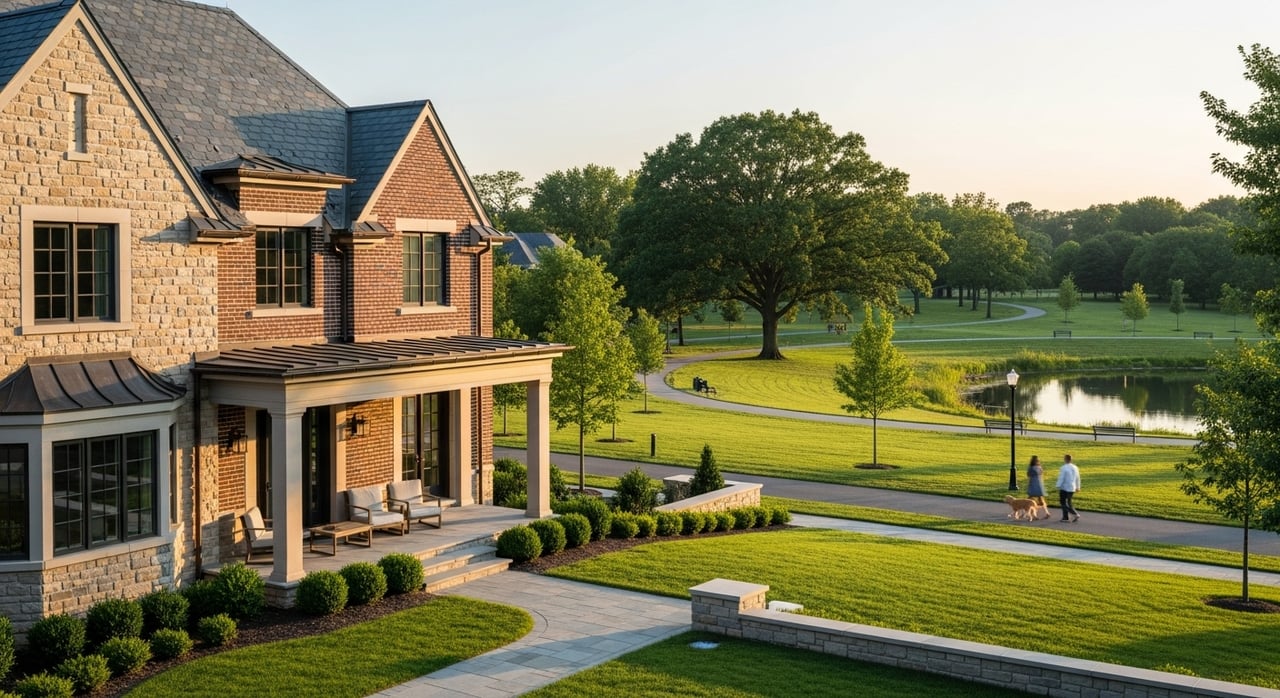
Des Peres also stands out for everyday amenities. The city notes about 255 businesses along the Manchester Road corridor, and one Walk Score example for a Des Peres location is 73, labeled Very Walkable. The city also offers more than 100 acres of parkland, a one-mile walking and jogging track at Des Peres Park, and The Lodge community center.
Kirkwood gives you the broadest menu
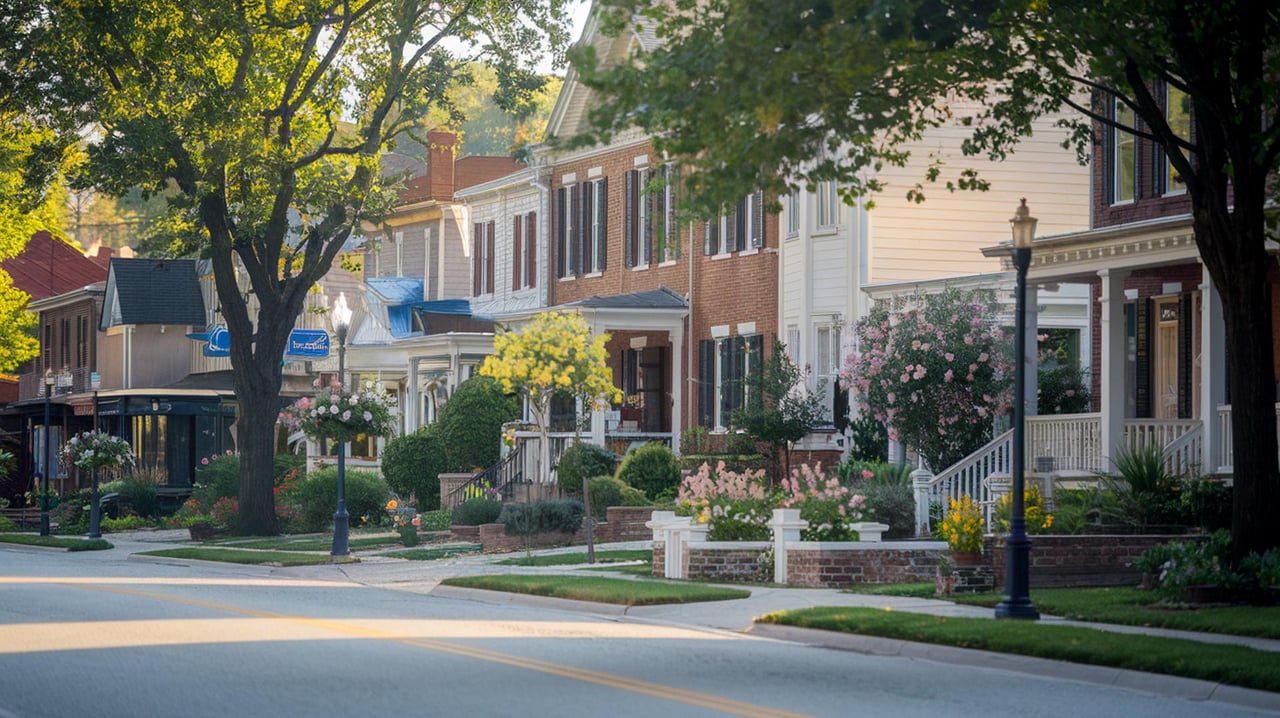
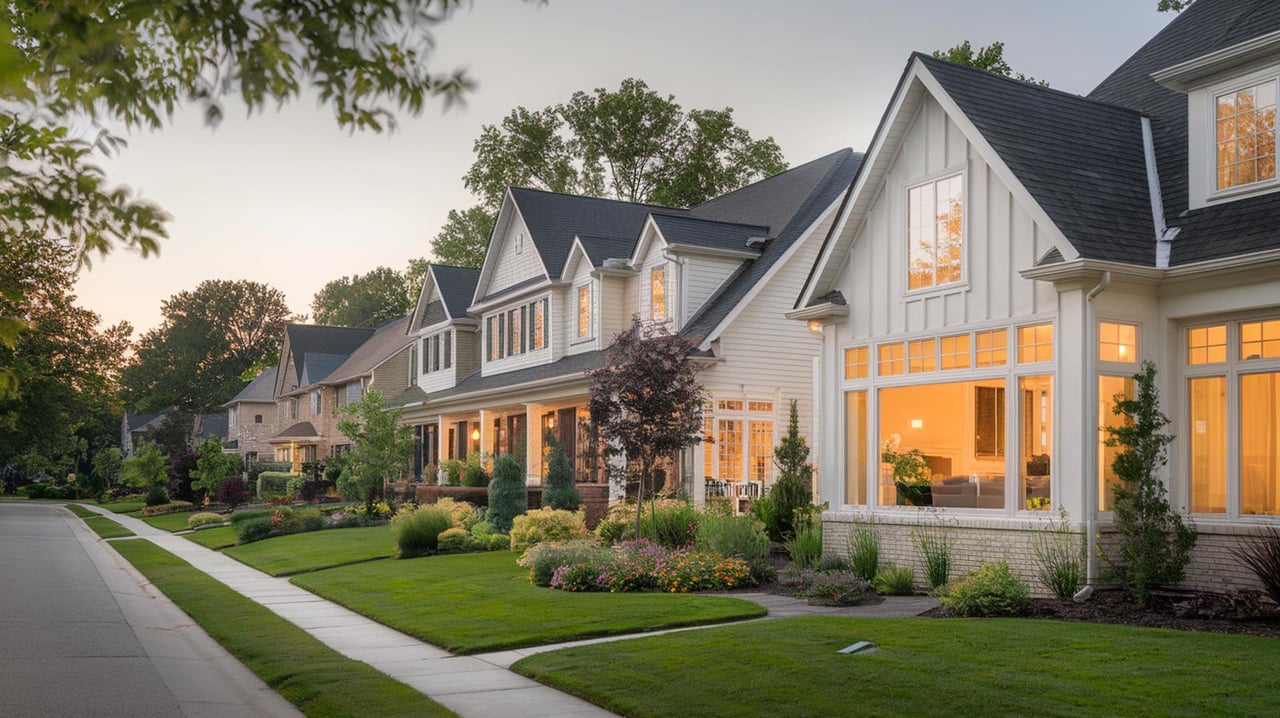
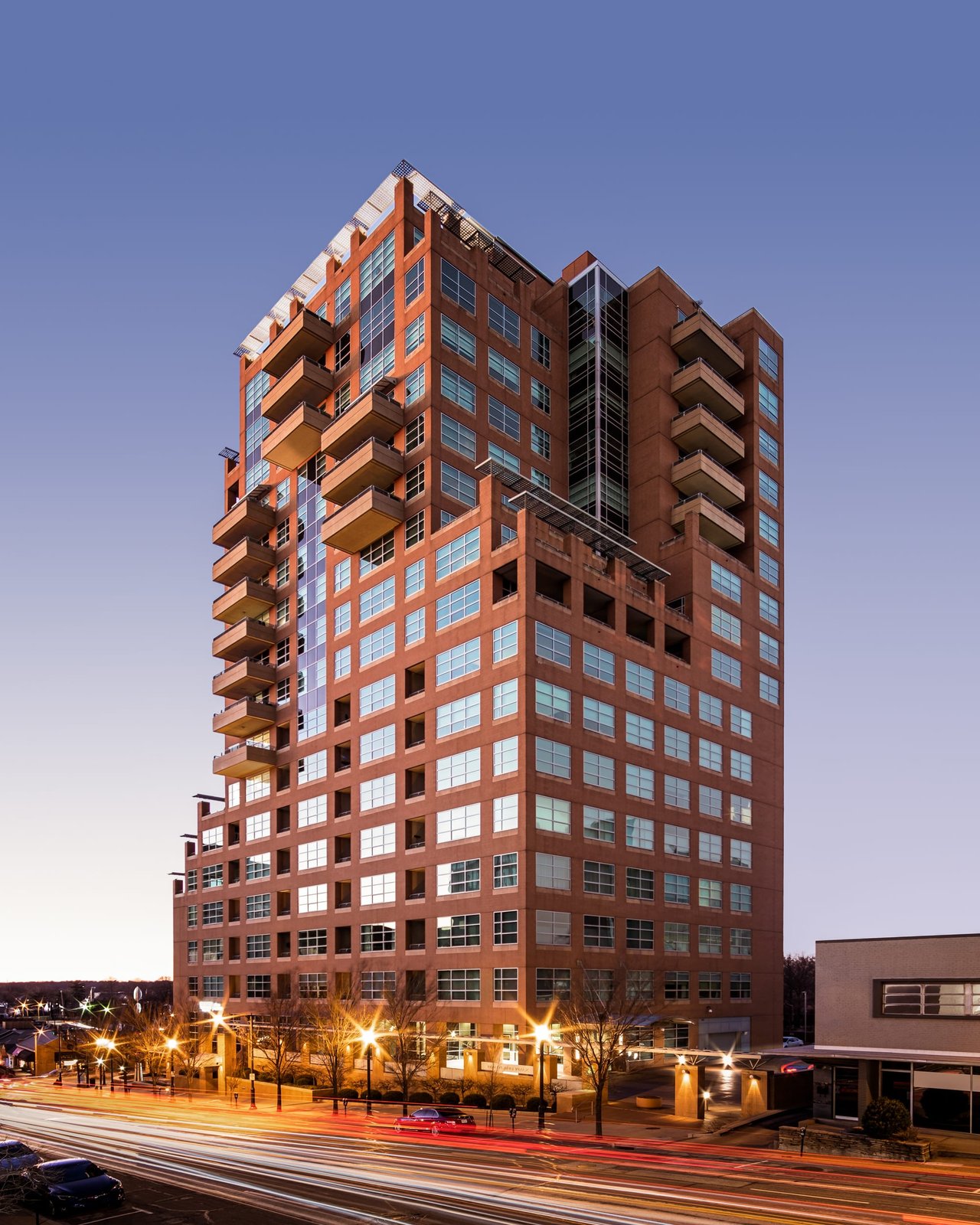
If your priority is a lower-maintenance move with more housing choice, Kirkwood is the broadest fit. The city describes itself as a nine-square-mile historic commuter suburb with a downtown that includes shops, restaurants, the farmers market, and a train station. That mix creates a different living experience from the estate-oriented pattern found in Huntleigh.
Kirkwood’s housing options are also more varied. Its zoning includes single-family districts down to 7,500-square-foot lots, along with multifamily districts such as R-MM, R-5, R-6, and R-7. The citywide Walk Score is 37, but downtown Kirkwood describes itself as 16 walkable blocks with more than 100 shops and restaurants.
For homeowners who want to reduce car dependence, that matters. You may be able to trade land and exterior upkeep for easier access to daily errands, dining, and community activity. Kirkwood also says it has more than 300 acres of parkland, which adds another layer of convenience and lifestyle value.
Kirkwood also provides useful community resources for older residents. Its senior-resources page points residents to Aging Ahead, transportation options, home visits, and library outreach. The city also has a local housing authority that maintains elderly housing, which reflects a wider range of later-life housing support than you typically see in more estate-focused communities.
How to compare the three communities
The clearest way to think about these areas is to compare what you are keeping and what you are giving up.
Community | Best fit for | What you gain | What you may keep |
|---|---|---|---|
Huntleigh | Owners who still want estate character | Privacy, acreage, traditional estate setting | More land and ongoing exterior upkeep |
Des Peres | Owners who want balance | Smaller-lot options, established setting, strong convenience | A suburban feel with room to rightsize gradually |
Kirkwood | Owners who want flexibility and walkability | Broader housing choices, downtown access, community resources | Less land, more compact living patterns |
In simple terms, Huntleigh tends to preserve estate living. Des Peres often offers the best compromise. Kirkwood gives you the widest range of smaller-lot, walkable, and lower-maintenance options.
Start with your non-negotiables
Before you look at specific homes, define what matters most in your next move. This keeps the process focused on your future lifestyle, not just your current house. It also helps you avoid choosing a property that looks appealing on paper but does not support how you want to live.
Start with questions like these:
- How much land do you realistically want to maintain?
- Are stairs acceptable for the long term?
- How much guest space do you still need?
- How important is walkability or access to daily services?
- Do you want a finished home, a renovation opportunity, or a buildable lot?
These answers often shape the geography of your move. If privacy and grounds still matter most, Huntleigh may remain the natural choice. If you want convenience without leaving west county, Des Peres may fit best. If you want the broadest lifestyle reset, Kirkwood may deserve a closer look.
Begin decluttering earlier than you think
One of the hardest parts of leaving an estate home is not the sale itself. It is deciding what will actually move with you. AARP recommends starting the process as much as a year before sale preparation begins.
A practical first step is to work from the floor plan or measurements of your next home, even if the move is still in the planning stage. That gives you a real framework for what fits and what does not. It also makes decisions less emotional and more practical.
As you sort, use simple categories:
- Keep
- Donate
- Sell
- Toss
Try to avoid a large maybe pile. AARP notes that this category often delays progress more than it helps.
Work in small, scheduled steps
Downsizing an estate can feel overwhelming if you treat it like one giant project. A better approach is to break the work into small, regular pieces. Even 10 minutes a day can create momentum.
Focus on one zone at a time, such as a linen closet, one set of cabinets, or a single storage room. That keeps the process manageable and makes it easier to see progress. Over time, those smaller decisions add up to a much smoother move.
Choose the next home for the next decade
A successful downsizing move should support your life now and later. The National Institute on Aging notes that aging in place takes planning, including making a home safe and accessible. In practical terms, that often means you should look beyond finishes and think carefully about daily ease.
Features worth weighing include:
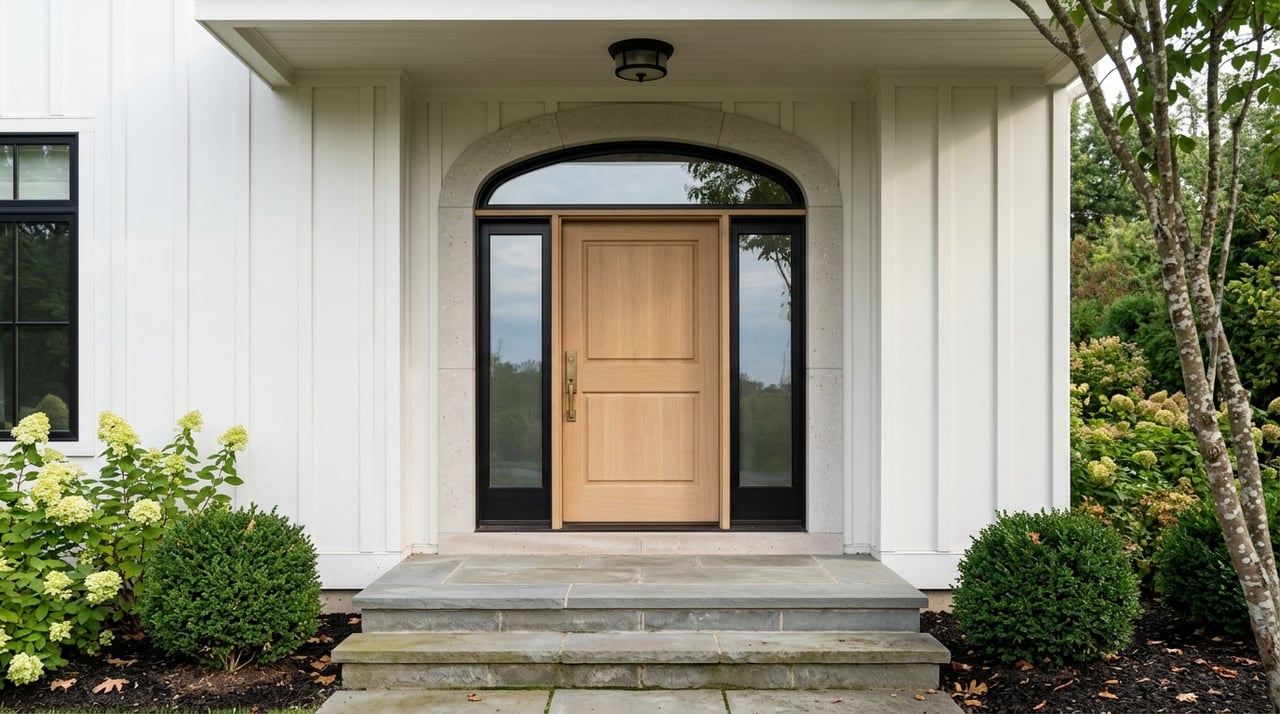
- Easier entry into the home
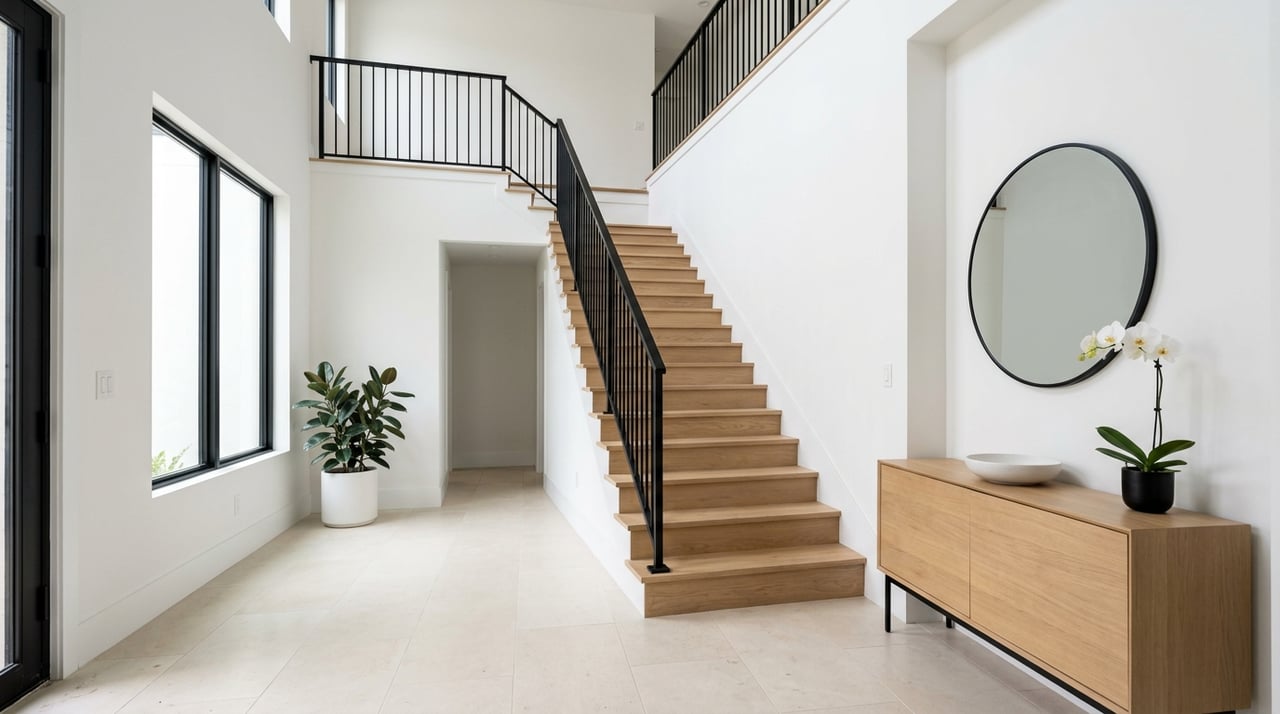
- Fewer steps inside and out
- Less exterior maintenance
- A layout that works for everyday living
- Space that feels comfortable without being excessive
This is one reason many homeowners shift their search from “What am I giving up?” to “What will make life easier?” That change in perspective usually leads to better decisions.
Verify local rules before you commit
If your next move could involve building, renovating, or substantial changes to a property, local regulations should be part of your early review. This is especially important in communities where zoning and subdivision requirements shape what can be done with a home or lot.
In Huntleigh, city code, building lines, trustee approvals, and subdivision indentures can all affect your options. Des Peres and Kirkwood also use active zoning and permit review. If you are comparing a finished home with a lot purchase or renovation opportunity, these details can influence both timeline and feasibility.
Why local guidance matters in a downsizing move
A move like this often involves more variables than a typical sale. You may be preparing a high-value home for market, coordinating staging or vendors, timing the purchase of the next property, and weighing whether to buy resale, build, or renovate. That is why strategy matters as much as square footage.
For estate owners, the right plan should be tailored to your property, your timing, and your next lifestyle. A measured, discreet process can help you protect value on the sale side while also making sure the next home truly fits. That is where experienced local guidance can bring real clarity.
If you are considering a move from Huntleigh, Des Peres, or Kirkwood, Aimee Simpson offers a private, white-glove approach shaped by decades of luxury market experience in St. Louis. From preparing an estate for sale to helping you evaluate the right next property, she brings calm, tailored guidance to every step.
FAQs
What makes downsizing from a Huntleigh estate different?
- Huntleigh is entirely residential and shaped by large-lot zoning, including 2-acre and 3-acre minimums in key districts, so moving to a much smaller property within the city can be difficult.
Why is Des Peres a strong option for rightsizing?
- Des Peres offers a mix of larger established lots and smaller residential lot sizes, which can make it easier to reduce maintenance while staying in a familiar west-county setting.
Is Kirkwood the best choice for walkability after leaving an estate home?
- Kirkwood generally offers the broadest mix of smaller-lot and multifamily options, plus a walkable downtown with shops, restaurants, a farmers market, and a train station.
How early should you start decluttering before downsizing from a large home?
- AARP recommends starting as much as a year before sale preparation and sorting belongings using clear categories like keep, donate, sell, and toss.
What should you prioritize when choosing a downsizing home in Des Peres or Kirkwood?
- Focus on how much maintenance you want, whether stairs work for your long-term needs, how much space you truly use, and how important convenience and local services are to your daily life.