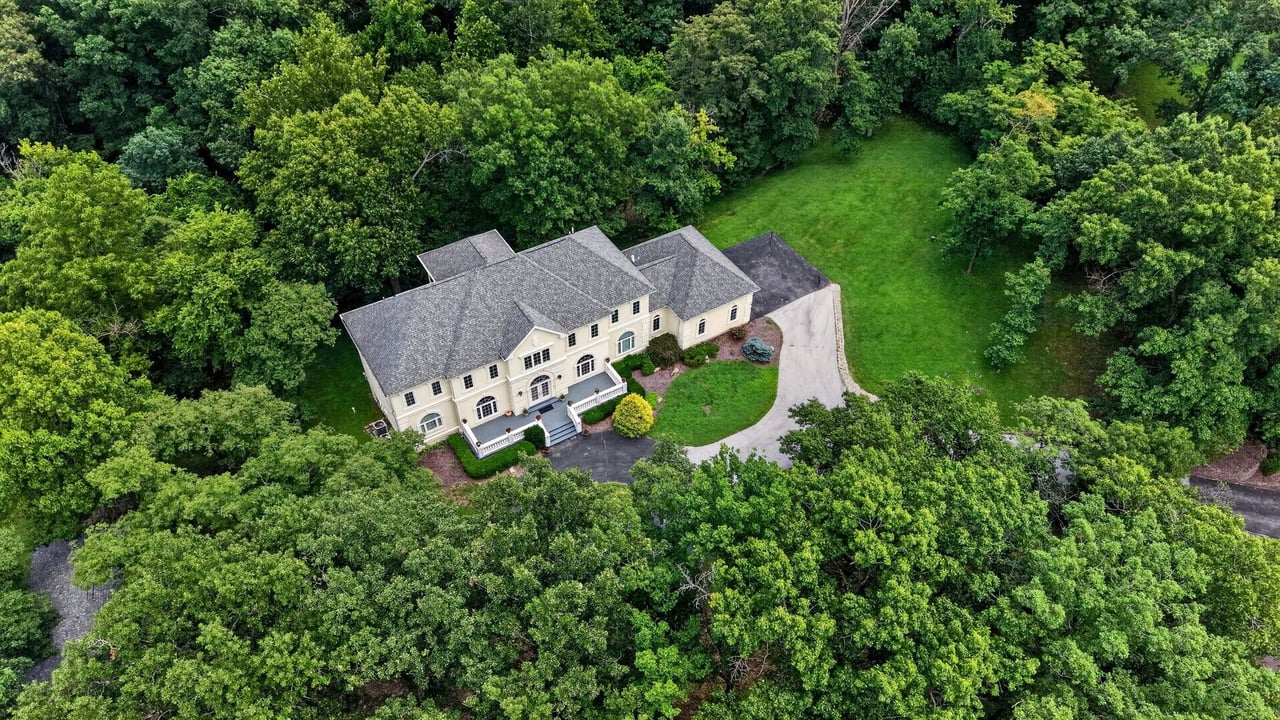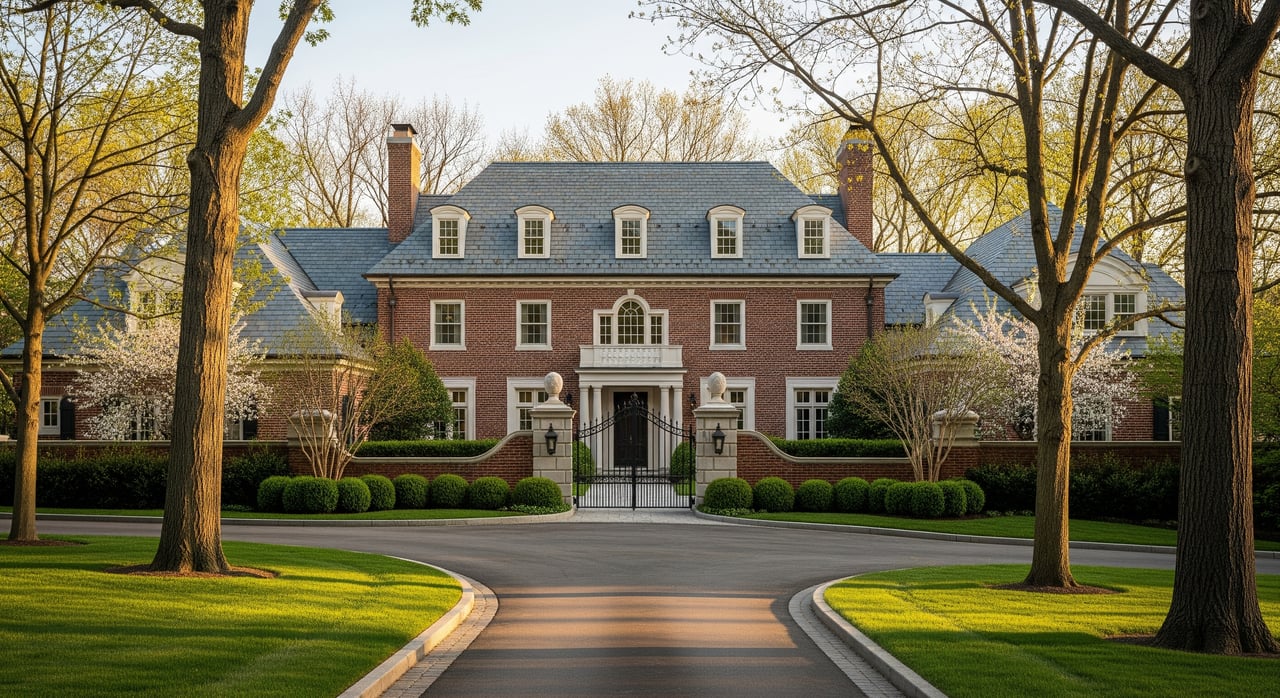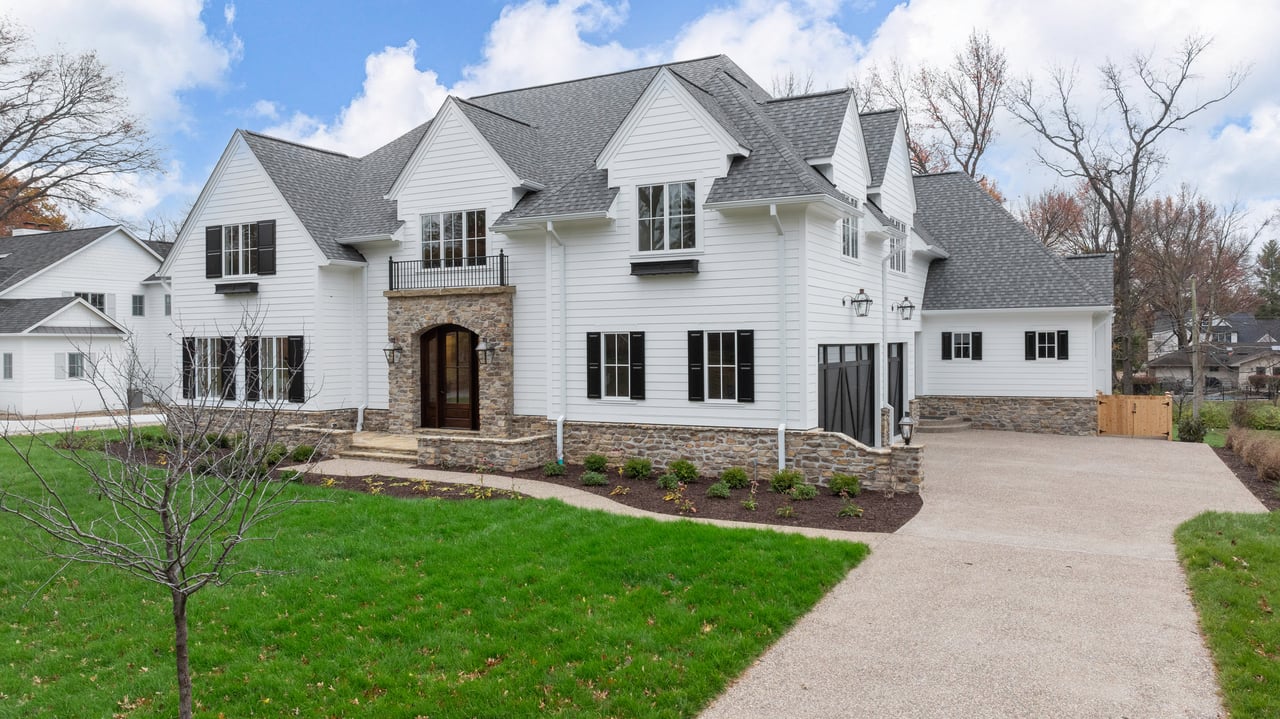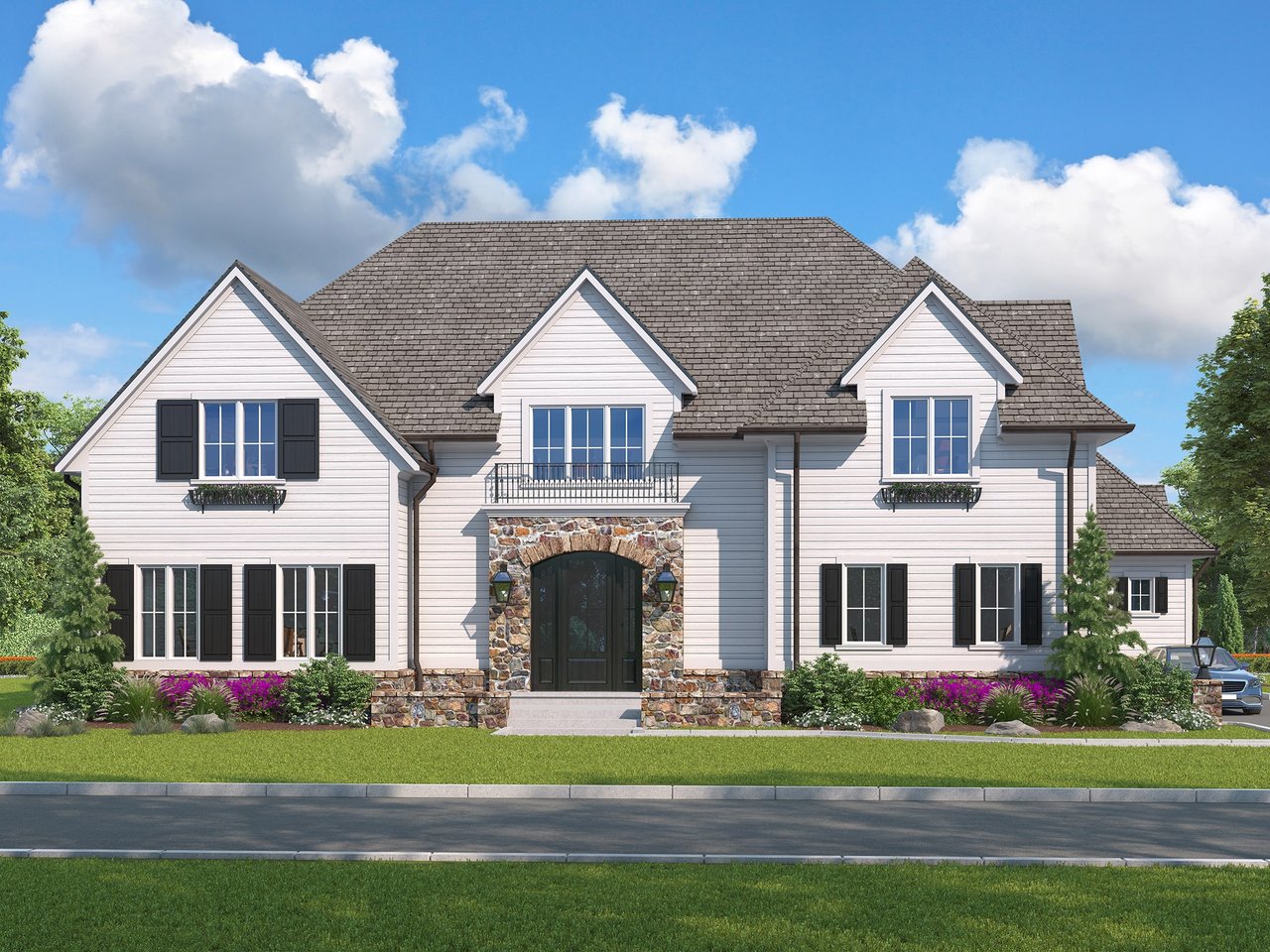
In 2018, a buyer paid roughly $1 million for a 4,400-square-foot home in Ladue and got the city's architectural review board to approve a new 7,700-square-foot house before demolishing the old one, as reported by the St. Louis Post-Dispatch and summarized by Planetizen. Then the city blocked the building permit. Officials said the water line serving the property could not support fire hydrant pressure for any new structure. By 2019, the dispute had reached federal court. The buyer had done everything right on paper. The lot itself was never the problem. What sat underneath it was.
That story is the reason this post exists. Every buildable lot listing in Ladue shows you an acreage and a price. Almost none of them show you the two things that actually determine what you'll spend and how long you'll wait: the regulatory sequence the city requires before you can pour a foundation, and the physical constraints already sitting on the parcel, whether that's a water main from another era or a hundred-year oak with a root system that claims more ground than you'd guess.
The Median Is Too Small a Number to Lean On
Ladue's median list price was roughly $2 million in April 2026. By July 2026, it had dropped to about $1.69 million, a swing of more than $300,000 in three months. In most suburbs that kind of move would be a headline. In Ladue, it's closer to noise. Across multiple points in 2026, only eleven to sixteen homes closed in the entire city in any given month. When your sample size is that small, one large estate closing in April and a run of smaller teardowns closing in July can move the median by hundreds of thousands of dollars without any actual change in what land is worth.
The practical takeaway for anyone comparing lots: the neighborhood median is not a pricing tool here. It's barely a data point. The number that matters is specific to the parcel you're looking at, and it starts with a question the listing price doesn't answer: what does this lot cost you to finish, not just to buy?
Land Is Not a Fixed Share of the Deal
That question has a different answer depending on what kind of lot you're buying. On a teardown-and-rebuild, where you're purchasing an existing house mainly for its location and lot, land typically represents 15 to 40 percent of total project cost. On a vacant infill parcel, where there's no structure absorbing part of the value, land climbs to 30 to 60 percent of the total. Construction itself runs $165 to $295 per square foot in Ladue, which puts a 2,400-square-foot house at roughly $395,000 to $710,000 before you count the land under it. Detached accessory structures run higher, $205 to $315 per square foot.
That range matters because Ladue's current inventory sits on both sides of the line. A nearly 3.3-acre parcel currently on the market is being marketed as an open canvas, exactly the kind of vacant lot where land claims the bigger share of your budget. A different listing in the Dunleith subdivision offers almost two acres with the existing house already cleared and utilities disconnected, ready for a build, which sits closer to the teardown model. Two lots with similar acreage can carry very different cost structures depending on which category they fall into, and the listing price alone won't tell you which one you're looking at.
The Architectural Review Board Decides What You Can Build
Any project in Ladue that requires a building permit, including new construction, first goes through the city's Architectural Review Board, a committee of resident architects who evaluate the design against the scale and character of surrounding homes. Once submitted, review typically takes two to three weeks. New residential permits often take longer.
The part buyers miss: ARB approval isn't banked indefinitely. A recent Ladue Architectural Review Board filing notes that projects approved by the board need to be submitted for a building permit within 180 days, or the approval can lapse and the design has to go back through review. That's a real clock, not a formality, and it's one reason a St. Louis luxury builder working regularly in Ladue estimates 20 to 30 months from design kickoff to move-in for a home in the $3 million to $10 million range. Plan review, tree protection, and the site conditions common on established Ladue lots, mature grading, existing utilities, deep root systems, all add time compared to a raw greenfield parcel.
The Trees Are Regulated Before the Foundation Is Poured
Ladue's tree ordinance exists, in the city's own words, "to provide protection to trees during the construction process." In practice, that means any tree that isn't dead, dying, or diseased needs a removal permit. For fewer than five trees, the city's building FAQ says the removal permit carries a $135 fee and requires the owner's signature and trustee notification where applicable. Once you cross five trees, or 20 percent of the property's overall tree canopy, or touch any tree designated a landmark, the application also requires review by the city's BOSTA Committee before approval.
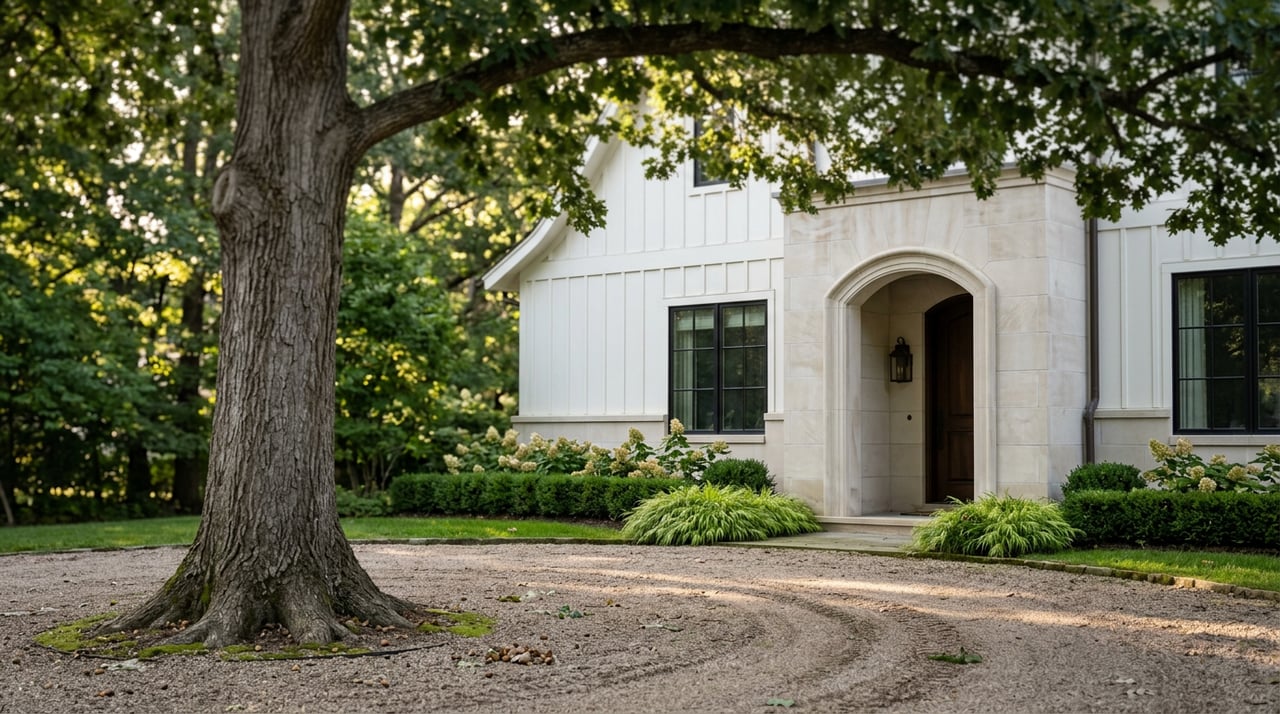
The ordinance goes further than removal. It defines a critical root zone around every protected tree, the area holding the tree's root structure, calculated at 1.25 feet of protected ground for every inch of trunk diameter. A mature oak with a 30-inch trunk, not unusual on the older half-acre-plus lots that make up much of Ladue's teardown inventory, carries a protected root zone extending roughly 37 feet from the trunk in every direction. Contractors are barred from cutting into roots, compacting soil, or changing grade inside that zone, and any root pruning has to be done by a licensed forester or arborist before construction starts. New main buildings also require a review from a landscape architect retained by the city.
None of this is paperwork you deal with after the design is set. On a tight or irregularly shaped lot, a single legacy tree's root zone can determine where the driveway, foundation, or grading can go, which means a tree survey belongs in your due diligence before you finalize a footprint, not after.
Where the Current Activity Actually Sits
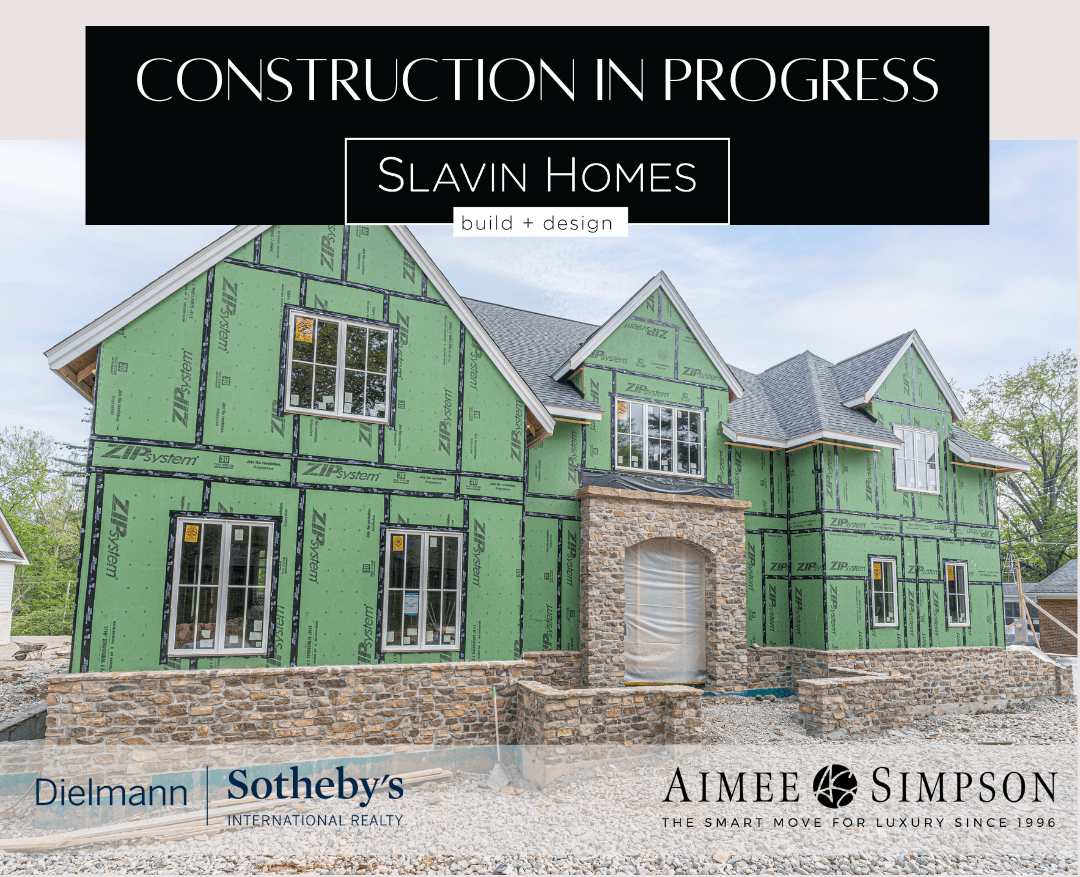
The builders working these constraints right now are specific and identifiable. Slavin Homes has new construction underway at 26 Woodcrest Drive, expected available in fall 2026, part of a broader pipeline of Ladue projects that has also included a 1.8-acre parcel at 4 Apple Tree Lane. In Lindworth Estates, MRM Manlin Development Group is building on a tree-lined, flat lot sized for a pool. Recent ARB filings show ongoing renovation work in Briarcliff, reviewed under the same board that would evaluate new construction. This is a market where the regulatory process stays busy, not a sleepy one where approvals are a rubber stamp.
What This Means Before You Write an Offer
- Pull the parcel's ARB history, not just the neighborhood's reputation. A lot that already has an active or recently approved application carries different timeline risk than a clean slate.
- Get a tree survey before you finalize a footprint, especially on mature-canopy lots over half an acre, where critical root zones can eat directly into your buildable envelope.
- Ask specifically about water and sewer capacity to that parcel, not the subdivision in general. The 2018 demolition and the federal lawsuit that followed in 2019 show infrastructure can block a project even after design approval and demolition are complete.
- Build your cost model from the land-share percentage that matches your scenario, teardown or vacant infill, rather than from the neighborhood median.
- Budget the calendar in years. Twenty to thirty months from design kickoff to move-in is realistic for a home in the multi-million dollar range once ARB review, permitting, and tree protection are sequenced in.
Common Questions
Does every renovation in Ladue need ARB review? No. Kitchen remodels that only replace appliances and cabinets don't require a permit at all. Anything that changes the exterior appearance, adds raised elements like a fireplace or pergola, or alters window and door configurations does require ARB approval.
What happens if I want to remove more than five trees? The application moves beyond a standard permit and requires review by the city's BOSTA Committee, in addition to the ownership and trustee documentation already required for smaller removals.
Does ARB approval mean I can build? Not automatically. Design approval and a demolition permit are separate from infrastructure capacity. The 2018 Ladue case is the clearest example: the board approved the design before demolition, and the project still stalled over water line capacity discovered afterward, a dispute that reached federal court in 2019.
Is the median list price a reasonable way to compare Ladue lots? Not on its own. With roughly a dozen to sixteen closings in a typical month, the median can swing by hundreds of thousands of dollars based on which specific homes happened to sell. A parcel-specific cost model tells you more than the neighborhood average ever will.
A buildable lot in Ladue is never just the acreage and the number on the sign. It's the cost stack underneath it and the sequence of approvals in front of it. If you're weighing a specific parcel, whether it's a teardown, a vacant infill lot, or a builder-held property already in the pipeline, Aimee Simpson has spent decades inside this exact process in Ladue, Clayton, Frontenac, and Town and Country, working directly with builders and architects who know what a given lot will actually require. Reach out for a private consultation before you write an offer.
This article is general information, not legal, tax or financial advice. Consult a qualified professional about your situation.