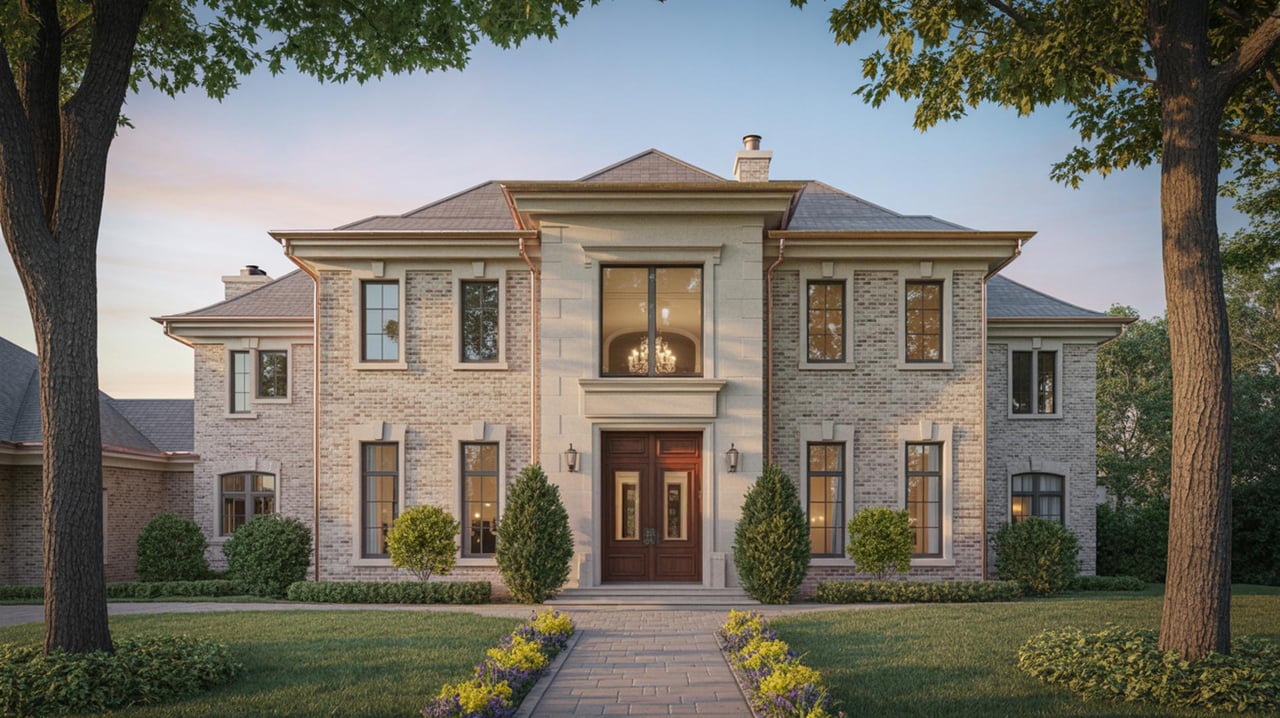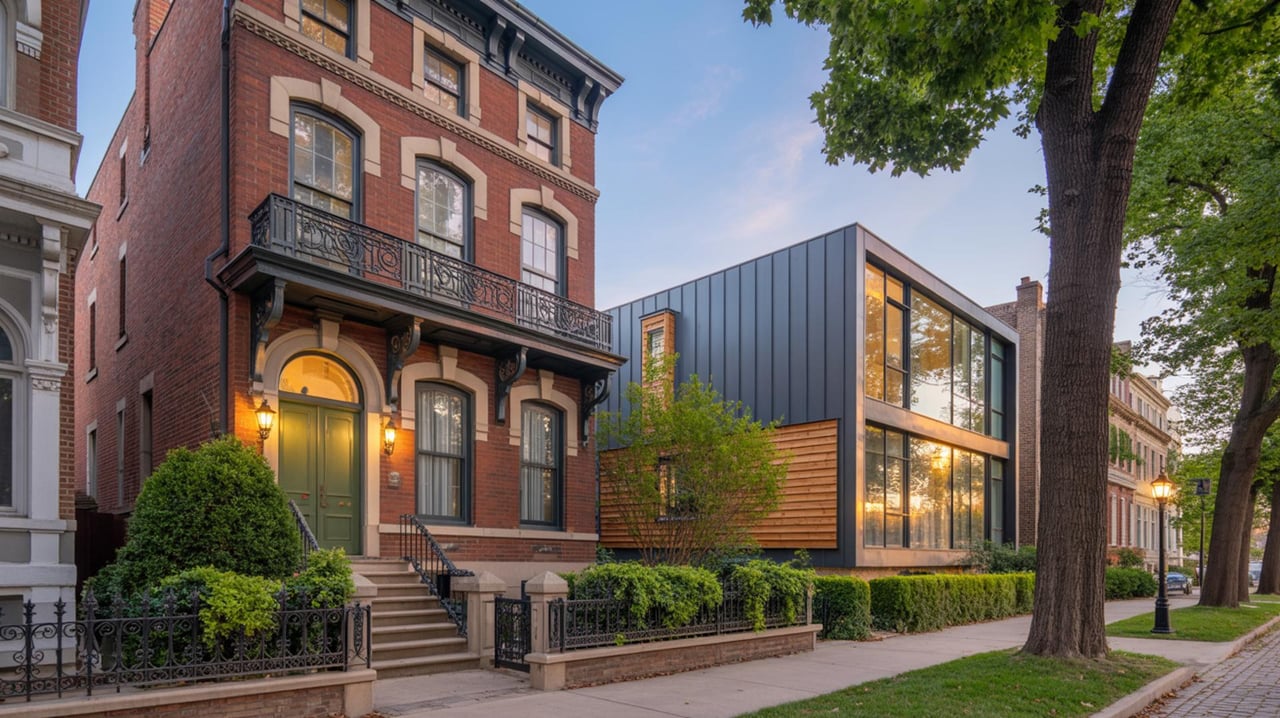
The median list price for a Clayton condominium sat at $325,000 as of February 2026, drawn from 18 active listings on the MLS. That figure has almost nothing to do with the residences most downsizers actually tour. It averages a two-bedroom walk-up in the Moorlands against a 3,000-square-foot floor at Hanley Towers, then reports a number that describes neither.
Buyers who anchor on the median arrive at showings confused. The real Clayton condo market is two markets, priced by different logic, financed under different rules, and exposed to different risks from the towers rising a few blocks north. The number that matters is not the one on the listing sheet.
Two Markets Sharing a Zip Code
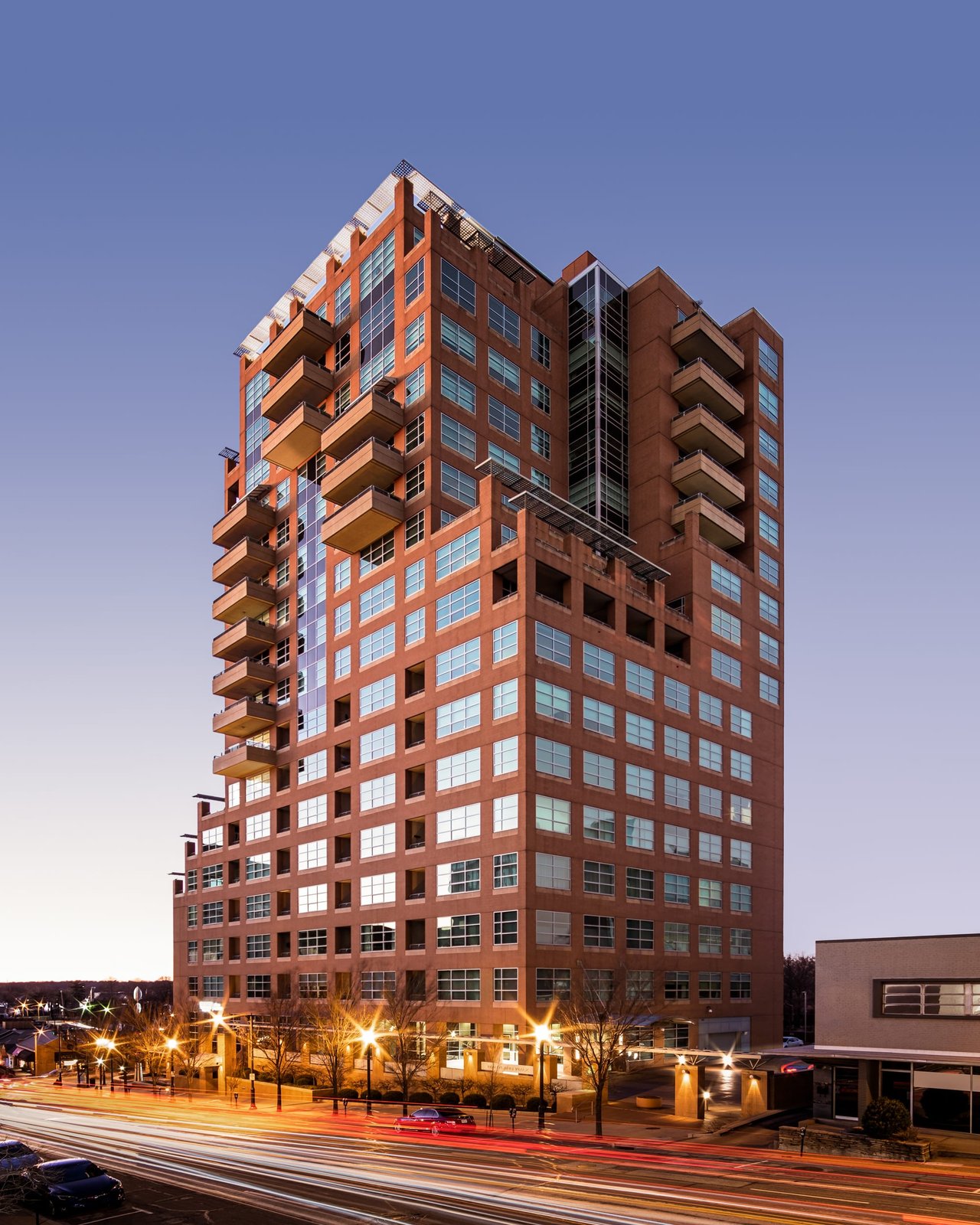
Building type is the primary variable. Walk-up and low-rise condominiums in the Moorlands, DeMun, Wydown, and side streets around Wellington and Byron price in the low- to mid-six figures. Full-service high-rises price on their own curve, driven by view floor, square footage, and the amenities carried by monthly dues.
A snapshot of building-level list activity captured on Condo.com illustrates the spread:
| Building | Type | Sample list price |
|---|---|---|
| Hanley Towers | 15-story full-service | from $149,000 |
| Park Tower | 23-story, 92 units, built 1966 | from $174,900 |
| Whitehall | Mid-rise | $435,000 |
| Maryland Walk | Boutique high-rise | up to $2,450,000 |
| The Plaza in Clayton | 30-story residential tower | $895,000 |
| The Crescent | Full-service | $919,000 |
The Clayton Condo Building Association lists fourteen member communities that define the top of the market, including 325 North Meramec, The Crescent, Park Tower, The Claytonian, 816 Condominium, Shaw Park Place, Maryland Walk, The Whitehall, Hanley Towers, DeMun Pointe, Brighton Way, The Residence, The Villas of Clayton Gardens, and The Plaza in Clayton. Everything below that tier competes on price per square foot. Everything inside it competes on service, floor level, and reserves.
Where the Dues Go, and Why They Matter More Than the Sticker
In a full-service tower, monthly dues are not a fee. They are a substitute for a payroll, an insurance premium, and a maintenance department. At Hanley Towers, published association fees cover the doorman, heating, water, sewer, trash, snow removal, pool, clubhouse, and grounds. Park Tower's building was completed in 1966 and has been maintained with reinforced concrete construction and modernized building systems, both of which show up in the operating budget rather than the purchase price.
That trade has consequences for the buyer's real monthly cost. A $175,000 unit at Park Tower with generous dues and a healthy reserve can carry a higher effective payment than a $435,000 unit at a smaller building with lean dues and an owner who mows the strip out front. St. Louis County's effective property tax rate runs near 1.29 percent, which on a Clayton condo with an assessed value in the mid-six figures pulls several thousand dollars per year off the top before the first HOA invoice arrives.
The 2026 operating environment is the second variable. Labor, insurance, and materials inflation have pushed associations across the country to raise dues or issue special assessments to catch up on deferred capital projects. Buildings that funded reserves aggressively over the past decade absorb this without drama. Buildings that kept dues artificially low to protect resale are now issuing catch-up bills. Neither pattern is visible from the listing.
The Document Stack That Kills or Saves the Deal
The Missouri contract's HOA document review contingency is the single most important protection a Clayton condo buyer has. It exists because Clayton's condo inventory is deep and its buildings vary widely in financial health. Read the documents. Then have your lender read the documents.
At minimum, request and review:
- The current operating budget and year-to-date financials
- The most recent reserve study, with the funded percentage
- Two years of board meeting minutes
- The insurance declarations page and any recent claims history
- Special assessment history and any pending assessment votes
- Delinquency rates on dues
- Rental caps and any short-term rental restrictions
- Any pending litigation involving the association
Lenders now scrutinize association health under Fannie Mae's project review guidance. Low reserves, high delinquencies, active litigation, or a heavy tilt toward non-owner-occupants can render an otherwise-conforming loan ineligible. That review can quietly disqualify a building for financing, which then compresses its buyer pool to cash and portfolio lenders and softens resale. A seller in a strong-looking building can face a slower market for reasons that never appear on the tax bill.
The Supply Wave Coming Down Forsyth and Bemiston
Clayton's downtown is in the middle of a residential build cycle that will reprice the existing stack. The Emerson Tower and Commerce Tower components of the Forsyth Pointe development have delivered and leased. The residential proposals following behind them are the ones that matter for a condo buyer today.
Green Street Real Estate Ventures has proposed a 25-story apartment tower at 50 S. Bemiston, replacing an existing bank branch and covered parking. Green Street and Midas Enterprises have planned a mixed-use tower at the former World News site with 180 hotel rooms and roughly 75 condominium units. Midas has separately proposed a condo project at 8230 Forsyth. Clayton's planning department currently lists pending applications at 121 S Meramec, 125 Hunter, 8015 Forsyth, 7811 Clayton, 6500 Forsyth, and 61 Topton, per the City of Clayton's Planning and Development Services page.
Read that pipeline through a buyer's lens. New apartment supply pulls renters out of the walk-up tier, which affects investor demand for those small buildings. New condo supply at the top of the market competes directly with resale inventory at Maryland Walk, The Plaza, and The Crescent, particularly for buyers who could go either way on new construction. Buildings within two blocks of the active construction zones will trade view, quiet, and street-level access for the duration of the build. Buildings a half-mile out, near Wydown or DeMun, will not.
The read is not that new supply is bad for existing owners. It is that the effect is uneven, and the buildings inside the impact zone will price and market differently over the next 24 to 36 months than the buildings outside it.
What This Means Before You Write an Offer
Three moves separate a thoughtful Clayton condo purchase from a median-anchored one:
- Rebuild the monthly. Add dues, an insurance line for the interior policy the association does not carry, property taxes at the county's effective rate, and a private allowance for future assessments. Compare that total against a house payment on a smaller Clayton or Ladue home before deciding the condo saves you money.
- Grade the association. A building with a fully funded reserve, transparent minutes, and dues that rise a predictable few percent a year is worth a premium over the same square footage in a building running lean. That premium is invisible on the listing and enormous over a ten-year hold.
- Map your building against the pipeline. Ask where the cranes will be in eighteen months. If your unit faces one, the view discount is real. If it faces the other direction in the same building, the discount is someone else's problem.
The Clayton condo median will keep drifting on mix. The buyers who ignore it and read the documents will keep buying the better residences.
Common Questions
Are Clayton high-rise condos harder to finance than a single-family home? Sometimes. A conventional loan on a condo requires the project itself to clear lender review in addition to the borrower's file. Buildings with weak reserves, active litigation, or high non-owner occupancy can be declared ineligible under Fannie Mae guidance, which then narrows the buyer pool at resale. This is why the association's balance sheet is a financing question, not only a cost question.
Should I be worried about special assessments in an older building like Park Tower? Age alone is not the risk. A 1966 building that has been consistently reinvested and funded is often in better shape than a 1990s building that deferred capital work. The reserve study and the minutes tell that story. Buildings with reinforced concrete construction, updated mechanicals, and disciplined boards tend to price their dues honestly and carry fewer surprises.
Does the new construction downtown help or hurt existing condo values? Both, unevenly. New luxury supply gives high-end buyers more options and can slow resale at the top of the existing stack. New rental supply pulls investor demand away from small walk-ups. Buildings outside the immediate construction footprint often benefit from the broader downtown activation without absorbing the disruption.
Is now a reasonable time to sell a Clayton condominium? It depends on where the unit sits in the two-tier market and what the association's story looks like on paper. Well-run buildings with clean documents and honest dues are meeting buyers who have already been burned reading someone else's minutes. Positioning, marketing, and document readiness matter more than the calendar.
If you are weighing a Clayton condominium purchase or preparing to list one, Aimee Simpson offers a private consultation to walk the two-tier market building by building and read the documents alongside you before an offer is written. Work With Aimee.